Mondo Knows Facts
200 Technology Facts, Each One Checked and Sourced
Computing, engineering, transport and the internet. There are 200 technology facts on this shelf, each one short enough to read in a few seconds, each with a named source you can check yourself, and each linking onward to a quiz, game or calculator on the same theme.
Showing the first 24 of 200. Search or pick a shelf to load the rest.
TechnologyThe first website went live in 1991Tim Berners-Lee published the world's first web page at CERN to explain the World Wide Web projectTechnologyThe first ARPANET message was intended to say LOGINIn 1969 the first message sent over ARPANET crashed after transmitting only the letters L and O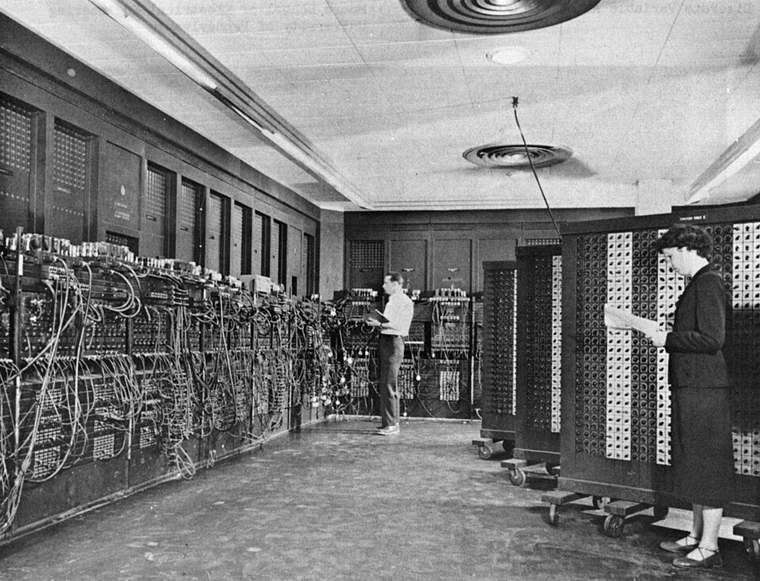 TechnologyENIAC was the first general-purpose electronic computerCompleted in 1945, ENIAC used thousands of vacuum tubes to calculate artillery firing tables
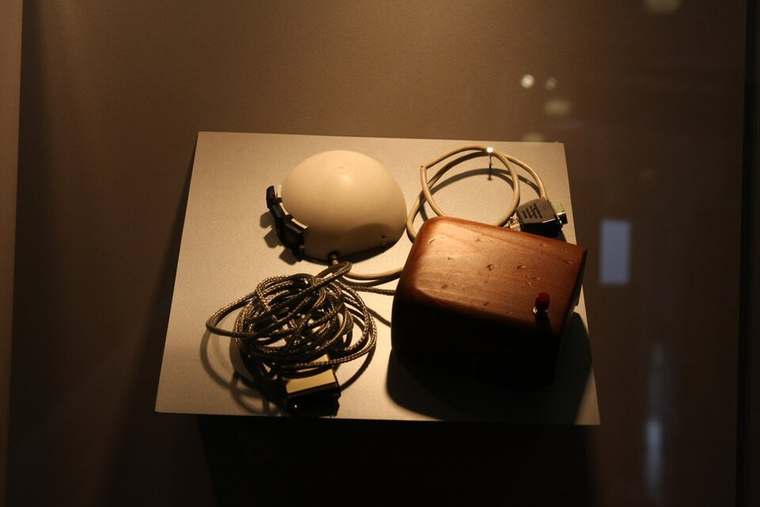 TechnologyThe first computer mouse was made of woodDouglas Engelbart invented the computer mouse in 1964 using a wooden shell and internal metal wheels
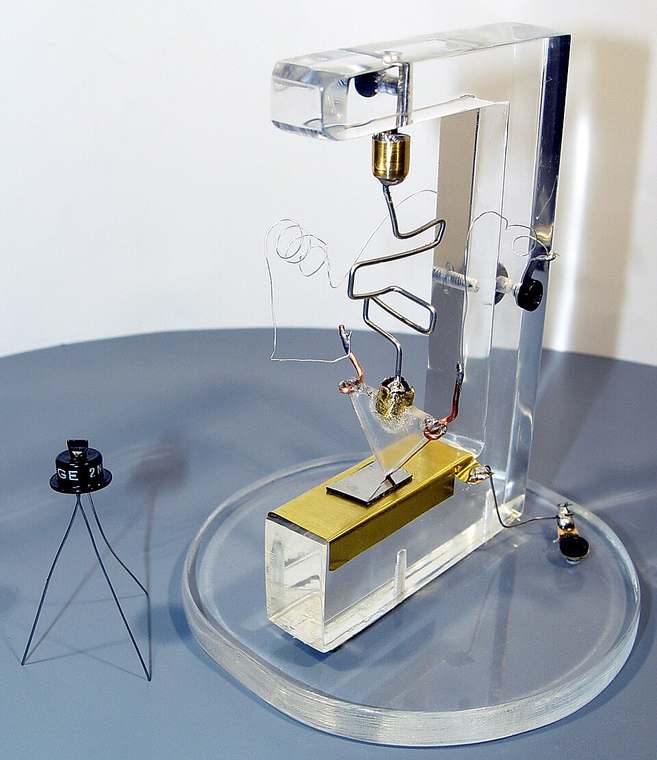 TechnologyThe point-contact transistor was invented at Bell Labs in 1947John Bardeen, Walter Brattain, and William Shockley created the semiconductor switch that revolutionized electronics
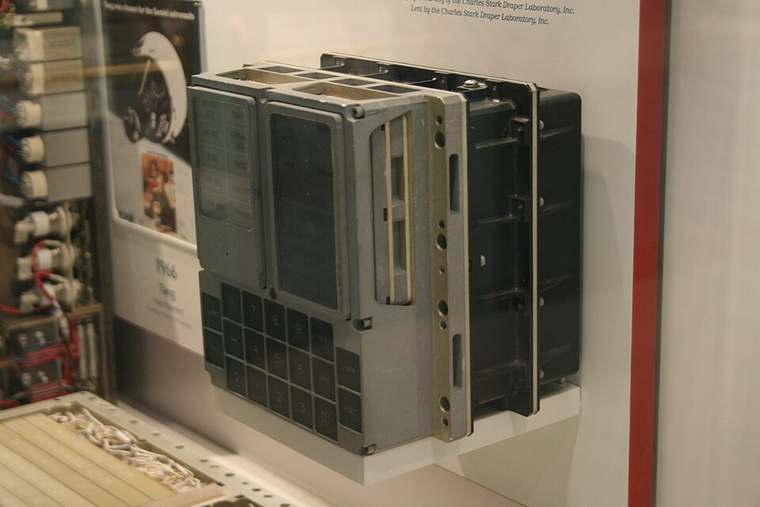 TechnologyThe Apollo Guidance Computer was an early user of silicon microchipsNASA purchased hundreds of thousands of integrated circuits in the 1960s to build the moon landing navigation system
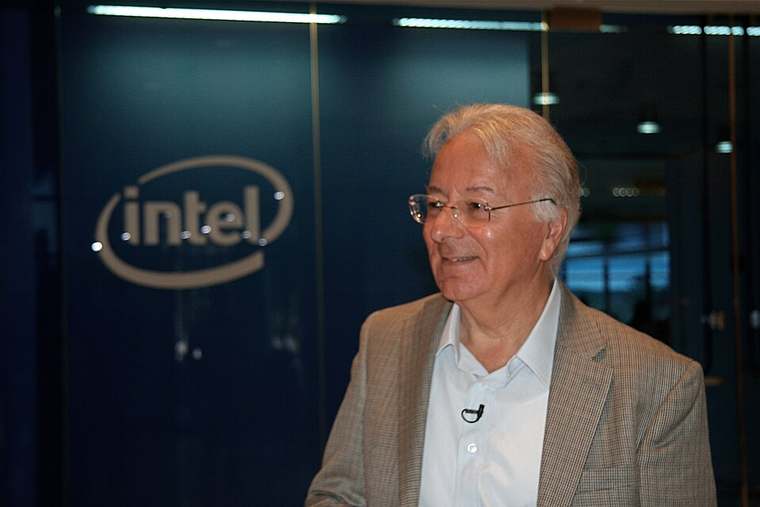 TechnologyThe Intel 4004 was the world's first commercial single-chip microprocessorReleased in 1971, the 4-bit processor contained 2,300 transistors on a single piece of silicon
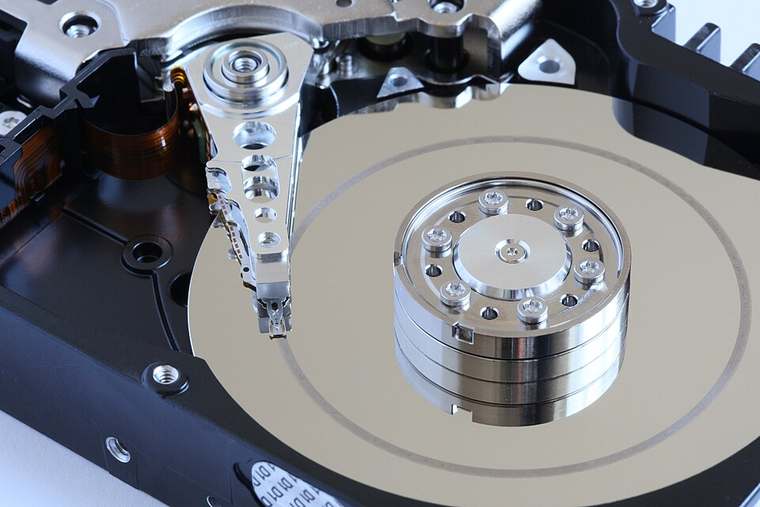 TechnologyThe first commercial hard disk stored five megabytes of dataThe IBM 350 disk storage unit used fifty magnetic platters each measuring twenty inches across
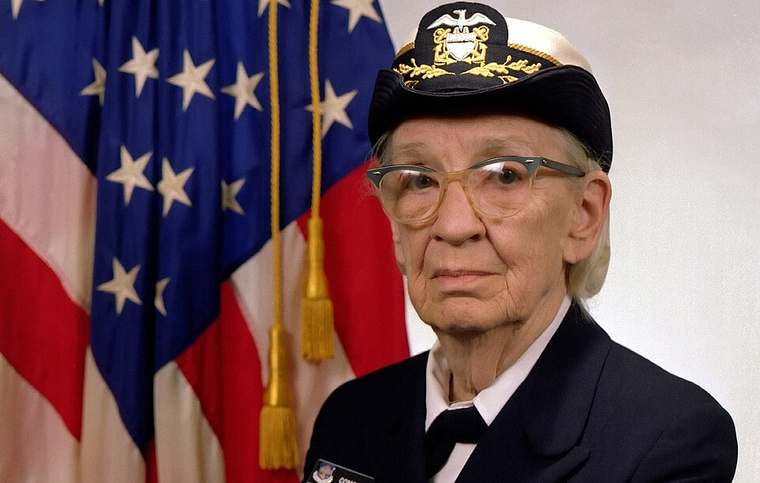 TechnologyGrace Hopper created the first compiler for a programming languageIn 1952 Grace Hopper developed A-0 to translate human-readable code into computer machine instructionsTechnologyThe term computer bug was popularized by a real mothEngineers found a moth trapped in a relay of the Harvard Mark II computer in 1947
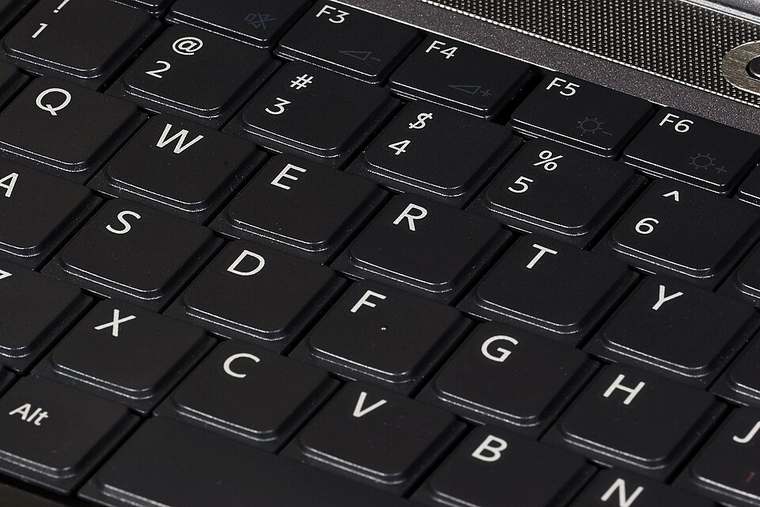 TechnologyThe QWERTY keyboard layout was created to prevent mechanical typewriter jamsChristopher Latham Sholes arranged keys in 1873 to separate frequently used letter combinations
 TechnologyThe first mobile phone call was placed in New York City in 1973Motorola engineer Martin Cooper called his rival at Bell Labs using a portable prototype phone
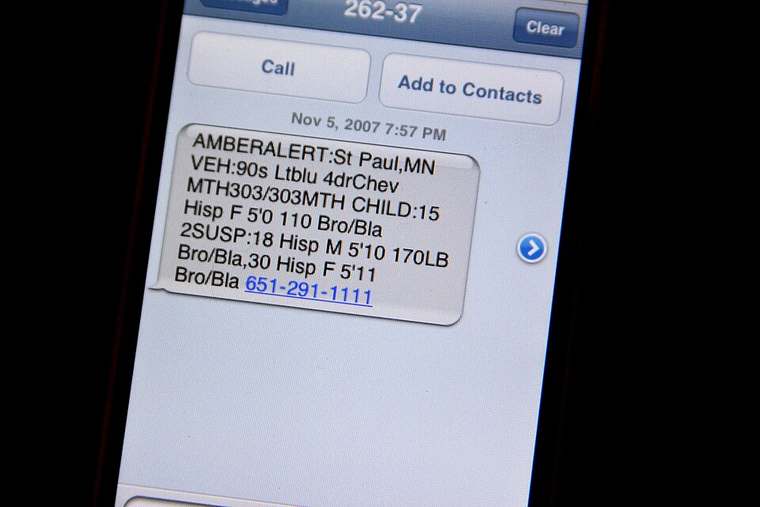 TechnologyThe first SMS text message sent in 1992 wished Merry ChristmasEngineer Neil Papworth sent the text message from a personal computer to an Orbitel mobile phone
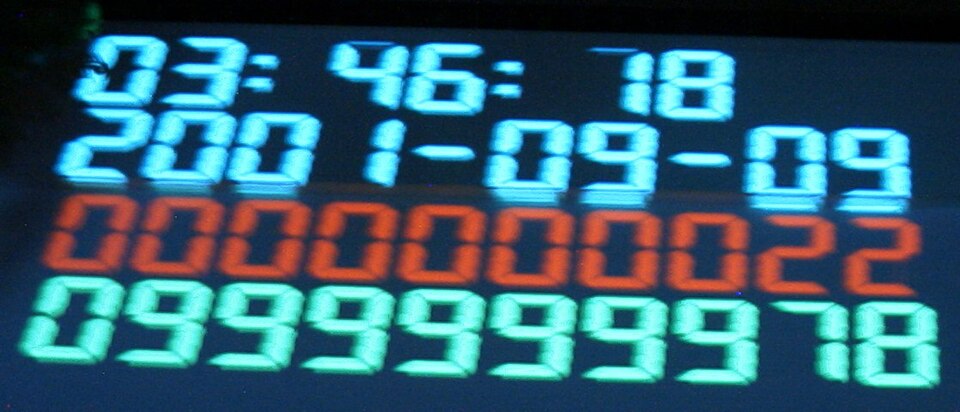 TechnologyUnix time counts the seconds elapsed since 1 January 1970Computers use the Unix epoch as a standardized reference point for tracking system timeTechnologyEthernet was invented at Xerox PARC in 1973Robert Metcalfe designed the wired networking system inspired by the Hawaiian ALOHANET radio system
 TechnologyBluetooth technology was named after a 10th-century Danish kingEngineers chose King Harald Bluetooth's name to symbolize unifying communication protocols
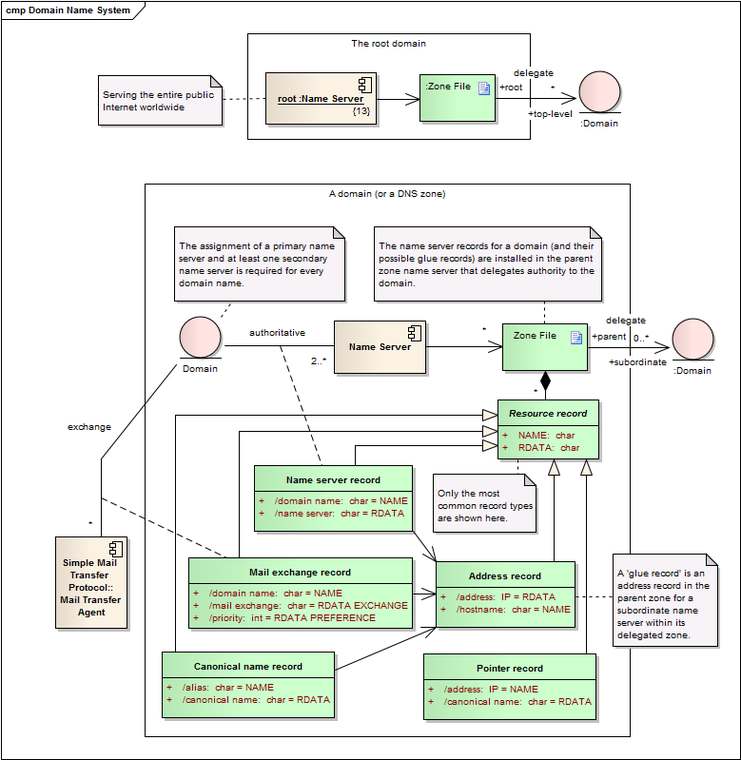 TechnologyThe Domain Name System DNS was created in 1983Paul Mockapetris designed DNS to replace a central text file containing every host address on the internet
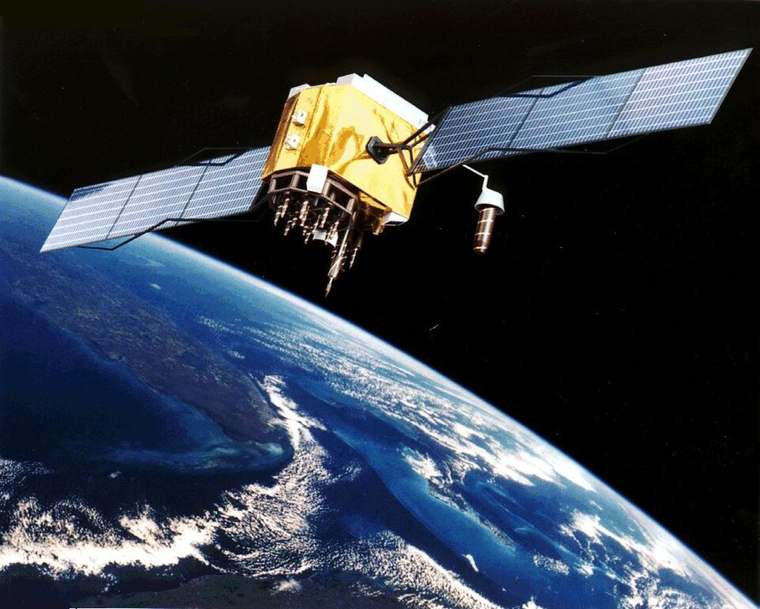 TechnologyGPS relies on a constellation of at least twenty-four active satellitesThe Global Positioning System calculates positions using atomic clock signals from medium Earth orbit
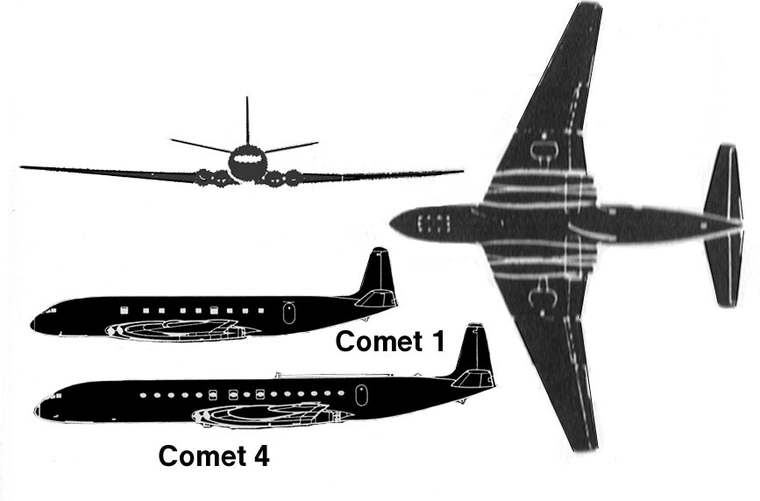 TechnologyThe de Havilland Comet was the world's first commercial jet airlinerEntering service in 1952, the British Comet introduced jet-powered commercial passenger travel
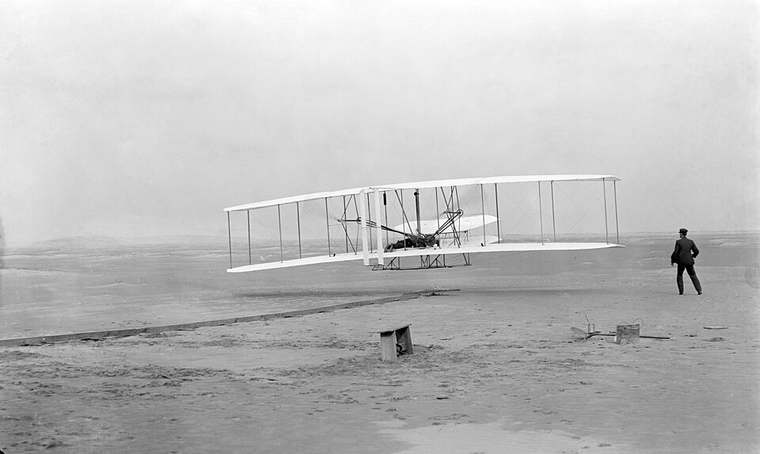 TechnologyThe Wright brothers achieved the first powered aeroplane flight in 1903Orville Wright flew the Wright Flyer for twelve seconds over Kitty Hawk North Carolina
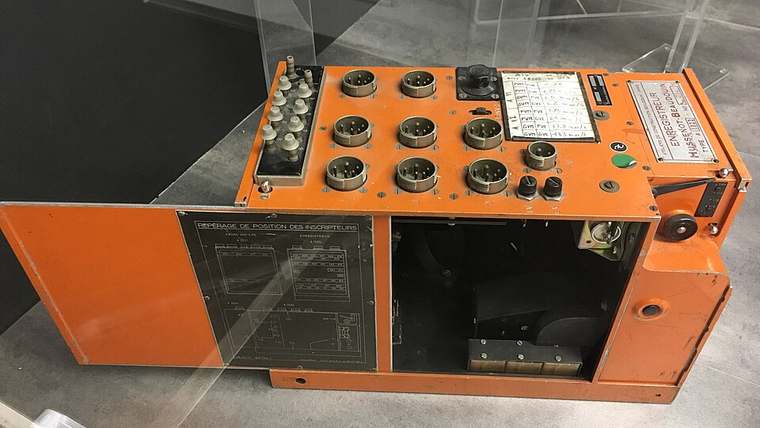 TechnologyThe flight data recorder was invented by Australian scientist David WarrenDavid Warren designed the cockpit voice and flight recorder prototype in 1953 after investigating plane crashes
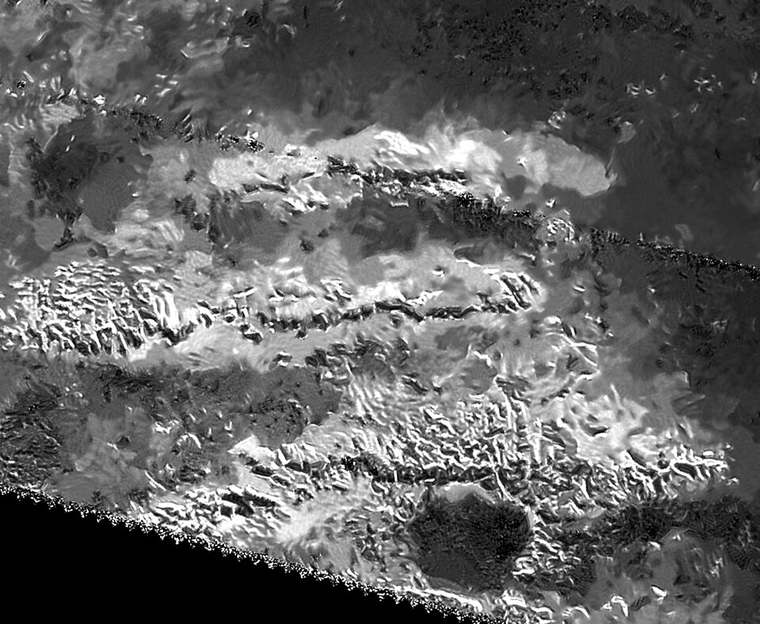 TechnologyRadar technology was developed during the 1930s for air defenceEngineers used radio pulse reflections to detect distant aircraft and ships through clouds and dark
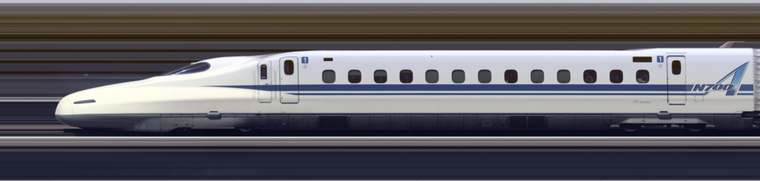 TechnologyJapan launched the world's first high-speed bullet train line in 1964The Tokaido Shinkansen connected Tokyo and Osaka at speeds exceeding two hundred kilometres per hour
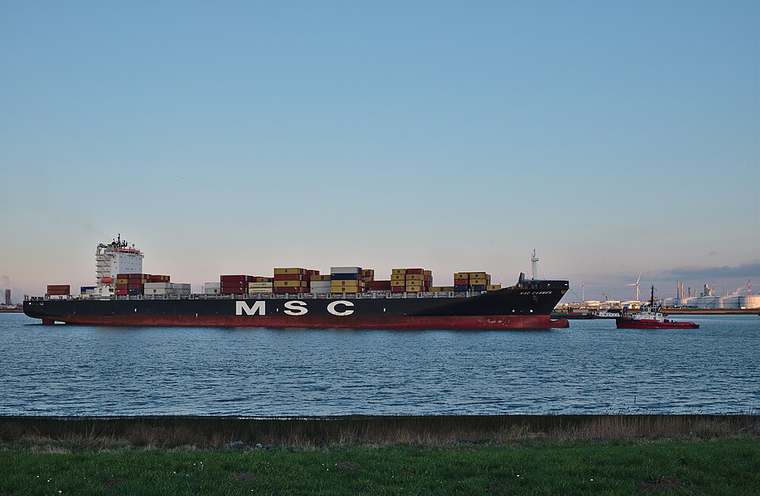 TechnologyStandardised shipping containers transformed global maritime tradeMalcolm McLean patented the steel intermodal shipping container system in 1956
TechnologyENIAC was the first general-purpose electronic computerCompleted in 1945, ENIAC used thousands of vacuum tubes to calculate artillery firing tablesTechnologyThe first computer mouse was made of woodDouglas Engelbart invented the computer mouse in 1964 using a wooden shell and internal metal wheelsTechnologyThe point-contact transistor was invented at Bell Labs in 1947John Bardeen, Walter Brattain, and William Shockley created the semiconductor switch that revolutionized electronicsTechnologyThe Apollo Guidance Computer was an early user of silicon microchipsNASA purchased hundreds of thousands of integrated circuits in the 1960s to build the moon landing navigation systemTechnologyThe Intel 4004 was the world's first commercial single-chip microprocessorReleased in 1971, the 4-bit processor contained 2,300 transistors on a single piece of siliconTechnologyThe first commercial hard disk stored five megabytes of dataThe IBM 350 disk storage unit used fifty magnetic platters each measuring twenty inches acrossTechnologyGrace Hopper created the first compiler for a programming languageIn 1952 Grace Hopper developed A-0 to translate human-readable code into computer machine instructionsTechnologyThe term computer bug was popularized by a real mothEngineers found a moth trapped in a relay of the Harvard Mark II computer in 1947TechnologyThe QWERTY keyboard layout was created to prevent mechanical typewriter jamsChristopher Latham Sholes arranged keys in 1873 to separate frequently used letter combinationsTechnologyThe first mobile phone call was placed in New York City in 1973Motorola engineer Martin Cooper called his rival at Bell Labs using a portable prototype phoneTechnologyThe first SMS text message sent in 1992 wished Merry ChristmasEngineer Neil Papworth sent the text message from a personal computer to an Orbitel mobile phoneTechnologyUnix time counts the seconds elapsed since 1 January 1970Computers use the Unix epoch as a standardized reference point for tracking system timeTechnologyEthernet was invented at Xerox PARC in 1973Robert Metcalfe designed the wired networking system inspired by the Hawaiian ALOHANET radio systemTechnologyBluetooth technology was named after a 10th-century Danish kingEngineers chose King Harald Bluetooth's name to symbolize unifying communication protocolsTechnologyThe Domain Name System DNS was created in 1983Paul Mockapetris designed DNS to replace a central text file containing every host address on the internetTechnologyGPS relies on a constellation of at least twenty-four active satellitesThe Global Positioning System calculates positions using atomic clock signals from medium Earth orbitTechnologyThe de Havilland Comet was the world's first commercial jet airlinerEntering service in 1952, the British Comet introduced jet-powered commercial passenger travelTechnologyThe Wright brothers achieved the first powered aeroplane flight in 1903Orville Wright flew the Wright Flyer for twelve seconds over Kitty Hawk North CarolinaTechnologyThe flight data recorder was invented by Australian scientist David WarrenDavid Warren designed the cockpit voice and flight recorder prototype in 1953 after investigating plane crashesTechnologyRadar technology was developed during the 1930s for air defenceEngineers used radio pulse reflections to detect distant aircraft and ships through clouds and darkTechnologyJapan launched the world's first high-speed bullet train line in 1964The Tokaido Shinkansen connected Tokyo and Osaka at speeds exceeding two hundred kilometres per hourTechnologyStandardised shipping containers transformed global maritime tradeMalcolm McLean patented the steel intermodal shipping container system in 1956All 200 Technology facts
- The first website went live in 1991
- The first ARPANET message was intended to say LOGIN
- ENIAC was the first general-purpose electronic computer
- The first computer mouse was made of wood
- The point-contact transistor was invented at Bell Labs in 1947
- The Apollo Guidance Computer was an early user of silicon microchips
- The Intel 4004 was the world's first commercial single-chip microprocessor
- The first commercial hard disk stored five megabytes of data
- Grace Hopper created the first compiler for a programming language
- The term computer bug was popularized by a real moth
- The QWERTY keyboard layout was created to prevent mechanical typewriter jams
- The first mobile phone call was placed in New York City in 1973
- The first SMS text message sent in 1992 wished Merry Christmas
- Unix time counts the seconds elapsed since 1 January 1970
- Ethernet was invented at Xerox PARC in 1973
- Bluetooth technology was named after a 10th-century Danish king
- The Domain Name System DNS was created in 1983
- GPS relies on a constellation of at least twenty-four active satellites
- The de Havilland Comet was the world's first commercial jet airliner
- The Wright brothers achieved the first powered aeroplane flight in 1903
- The flight data recorder was invented by Australian scientist David Warren
- Radar technology was developed during the 1930s for air defence
- Japan launched the world's first high-speed bullet train line in 1964
- Standardised shipping containers transformed global maritime trade
- The modern silicon solar cell was invented at Bell Labs in 1954
- Lithium-ion batteries were commercialised by Sony in 1991
- Nuclear energy first generated usable electricity in Idaho in 1951
- The War of the Currents decided the global standard for power grids
- The blue LED enabled high-efficiency white LED illumination
- The first barcode scan took place at an Ohio supermarket in 1974
- The storage capacity of the Compact Disc was set at 74 minutes
- The MP3 compression algorithm reduced audio file sizes by ninety percent
- Spacewar! was one of the earliest interactive computer video games
- FORTRAN was the first widely used high-level programming language
- The C programming language was created to write the Unix operating system
- Linus Torvalds released the first Linux kernel in 1991
- Edgar Codd proposed the relational database model in 1970
- Brain was the first computer virus designed for IBM PC compatible computers
- HTTP status code 404 designates a page that cannot be found on a server
- The PNG image format was developed in 1996 to replace GIF
- Samuel Morse sent the first long-distance telegraph message in 1844
- Alexander Graham Bell was granted the fundamental telephone patent in 1876
- The first transatlantic telegraph cable was laid across the ocean floor in 1858
- Fibre optic cables transmit data using pulses of laser light
- The first Wi-Fi standard was released by IEEE in 1997
- Stephenson's Rocket set the structural blueprint for steam locomotives in 1829
- Maglev trains use powerful electromagnets to hover above tracks
- Anti-lock braking systems prevent vehicle wheels from locking
- Quartz clocks keep time by measuring vibrations in a crystal
- The microwave oven was discovered accidentally by radar engineer Percy Spencer
- Fly-by-wire replaces mechanical flight controls with electronic computer signals
- The Concorde flew passenger flights at twice the speed of sound
- Modern wind turbines generate electricity using aerodynamic rotor blades
- Hydroelectric power stations turn flowing water into electrical current
- Capacitive touchscreens detect touch using electrostatic charge
- LCD displays control light passage using liquid crystals and polarizing filters
- 3D printing was patented by Chuck Hull in 1984 using stereolithography
- RFID tags communicate asset data wirelessly using electromagnetic fields
- The pneumatic inflatable tyre was patented by John Boyd Dunlop in 1888
- Garrett Morgan patented an early automatic three-position traffic signal in 1923
- Refrigerators keep food cool using the vapor-compression refrigeration cycle
- Moore's Law predicted microchip transistor density would double every two years
- Silicon Valley was named after the silicon semiconductor chip industry
- Dynamic RAM DRAM was invented by Robert Dennard at IBM in 1966
- Extreme ultraviolet lithography uses 13.5 nanometre light to print microchips
- ARM processors power billions of mobile phones due to low power consumption
- The floppy disk was created by IBM engineers led by Alan Shugart in 1967
- Universal Serial Bus USB standardized computer peripheral connections in 1996
- ASCII standard established seven-bit character encoding for computers in 1963
- Unicode assigns unique digital codes for over 140,000 characters worldwide
- Cellular networks divide geography into cells to reuse radio frequencies
- The SIM card was invented in 1991 by Giesecke Devrient in Munich
- Arthur C. Clarke conceptualized geostationary communications satellites in 1945
- Igor Sikorsky designed the first practical single-rotor helicopter in 1939
- The first aircraft autopilot was invented by Lawrence Sperry in 1912
- The electric telegraph was first deployed commercially along British railways
- Regenerative braking converts kinetic energy back into stored electricity
- Diesel-electric locomotives generate electricity to turn traction motors
- Electrical transformers change AC voltage levels using electromagnetic induction
- National power grids synchronize electrical generator frequency across countries
- Michael Faraday built the first primitive electric motor in 1821
- Superconductivity allows electrical current to flow with zero resistance
- The Jacquard loom used punched cards to automate intricate fabric weaving
- Charles Babbage designed the Difference Engine to calculate mathematical tables
- Ada Lovelace wrote the world's first published computer algorithm in 1843
- Alan Turing formalized the theoretical foundation of modern computers in 1936
- Colossus was the world's first programmable electronic digital computer
- Six women programmed the ENIAC computer without programming manuals
- UNIVAC I correctly predicted the 1952 US presidential election outcome
- Magnetic core memory served as main RAM for computers from the 1950s to 1970s
- Magnetic tape was introduced for computer data storage on the UNIVAC I in 1951
- The Open Source Initiative was founded in 1998 to promote shared code
- Almon Strowger patented the first automatic telephone exchange switch in 1891
- Radar altimeters measure exact aircraft height above terrain using radio waves
- Sonic booms occur when aircraft travel faster than the speed of sound
- Battery management systems prevent thermal runaway in lithium-ion batteries
- Modern container ships can carry over twenty thousand standard containers
- Reginald Fessenden made the first wireless radio voice transmission in 1906
- Satellite phone networks provide global coverage via low Earth orbit satellites
- Smart electrical grids use digital sensors to optimize power distribution
- Every internet message travels as numbered packets
- The domain name system has thirteen root identities
- Undersea cables carry almost all intercontinental traffic
- Repairing a broken undersea cable takes weeks
- No internet link can beat the speed of light
- A TCP connection opens with three short messages
- One mistyped route can take a country offline
- The world ran out of IPv4 addresses in 2011
- Home routers hide a whole network behind one address
- IBM's System 360 was a family of compatible machines
- The first stored program ran on the Manchester Baby
- Dijkstra worked out shortest paths in twenty minutes
- x86 processors still run code written in 1978
- The Cray 1 supercomputer was built in a horseshoe
- A spreadsheet program sold the first business microcomputers
- The first graphical interface appeared in 1973
- Deep Blue beat Garry Kasparov by brute force
- COBOL was designed by a committee in 1959
- Lisp introduced garbage collection and recursion
- ALGOL 60 gave programming its block structure
- Smalltalk made every value an object receiving messages
- Pascal was designed to teach programming properly
- Java runs on a virtual machine, not directly
- JavaScript was written in about ten days
- Python is named after a comedy troupe
- BASIC was invented so students could use a computer
- Regular expressions began as a mathematical notation
- Unix pipes let small programs cooperate
- Git began as a replacement for a proprietary tool
- A punched card machine saved the 1890 census
- Flash memory was invented at Toshiba in 1980
- Flash cells wear out after a few thousand erases
- RAID was named in a 1988 Berkeley paper
- Virtual memory first worked on the Atlas computer
- Processors keep small caches to hide memory delays
- Paper tape stored programs as rows of holes
- Blu-ray uses a violet laser to pack in data
- Magnetic tape still archives most large data sets
- The lead acid battery dates from 1859
- The zinc carbon cell began as a wet battery
- Alkaline cells arrived in the late 1940s
- Pumped hydro is the world's largest form of storage
- The first commercial DC power link opened in 1954
- Three phase AC gives a steady flow of power
- Grid stability depends on spinning metal
- Peaking plants run for a few hours a year
- Most of a turbofan's thrust comes from cold air
- Winglets cut the drag made by wingtip vortices
- ETOPS rules measure how far a twin may stray
- Jet fuel is chosen for a low freezing point
- A bulbous bow cancels part of its own wave
- Fast propellers can boil the water around them
- Ships carry blocks of metal meant to corrode
- The Panama Canal reuses water to save it
- Runways are grooved to stop aquaplaning
- An outflow valve holds the cabin at hill altitude
- Wind tunnel models must match the right numbers
- Flaps change a wing's shape for slow flight
- Radar controllers keep aircraft miles apart
- Ships must treat ballast water before release
- The Gotthard Base Tunnel runs under the Alps
- Two tunnel machines met under the Channel
- Brunel's shield held up the Thames while digging
- The Brooklyn Bridge was built on compressed air
- The Forth Bridge is a pair of giant cantilevers
- The Akashi Kaikyo bridge has the longest suspension span
- The Bessemer converter blew air through molten iron
- Aluminium became cheap through electrolysis
- Vulcanisation stopped rubber going sticky
- Bakelite was the first plastic made entirely by people
- Float glass is poured onto molten tin
- Portland cement was patented in 1824
- Kevlar came out of a search for lighter tyres
- The CCD image sensor was invented in 1969
- Every pixel got its own amplifier in 1993
- Colour cameras guess two thirds of each pixel
- Cheap cameras read pixels one row at a time
- Two metals in a loop make a thermometer
- Phone accelerometers are etched from silicon
- Lidar measures distance by timing a light pulse
- GPS clocks tick faster in orbit
- Galileo is the civilian run navigation system
- Landsat has photographed Earth since 1972
- Molniya orbits linger over high latitudes
- Satellites run on batteries twice a day
- GPS accuracy improved overnight in May 2000
- Two strangers agreed a secret key in public
- RSA made public key encryption practical
- AES replaced a twenty five year old cipher
- A one time pad cannot be broken by analysis
- Hamming codes find and fix a single bad bit
- Reed-Solomon codes keep scratched discs playable
- Clocks are nudged to follow the spinning Earth
- Stored files can rot without anyone touching them
- A cosmic ray can flip a bit in memory
- Computers set their clocks through a server hierarchy
- The ISO standards body began in 1947
- The web's standards body started at MIT
- The local network committee is named after a date
- Radio frequencies are divided by international treaty
Test what you know
Turn these facts into a quiz: Technology trivia questions, with an explanation after every answer.
More fact shelves
Questions people ask
- How many technology facts are there?
- 200, each with a named source and a link to it. Computing, engineering, transport and the internet.
- Where do these facts come from?
- Mostly primary sources: NASA, the ESA, museums, universities and peer-reviewed papers. A fact is only published here once a source can be linked, and the wording is written fresh rather than copied.
- Can I read them in one sitting?
- The page lists the newest first and the search box narrows by word. Every fact links onward to a quiz, game or calculator on the same subject, so it works as a browse or as a jumping-off point.