Mondo Knows Facts
Stored files can rot without anyone touching them
Magnetic, optical and flash media all lose data slowly, and a checksum is often the only sign that anything changed Magnetic domains relax over years, the dye in a recordable disc fades, and charge leaks from flash cells left unpowered. The result is a file that opens but contains a few wrong bytes, which is why archiving systems keep checksums and several copies on different media. Filesystem scrubbers such as the ones in ZFS read stored data and compare it against checksums to catch the damage early. It sits in Mondo's technology collection, one of 200 facts that each trace back to the reference below.
Where this comes from
Facts that can change over time are reviewed and updated. If something here looks wrong, Mondo would rather know than be confidently incorrect.
Go further
More facts like this
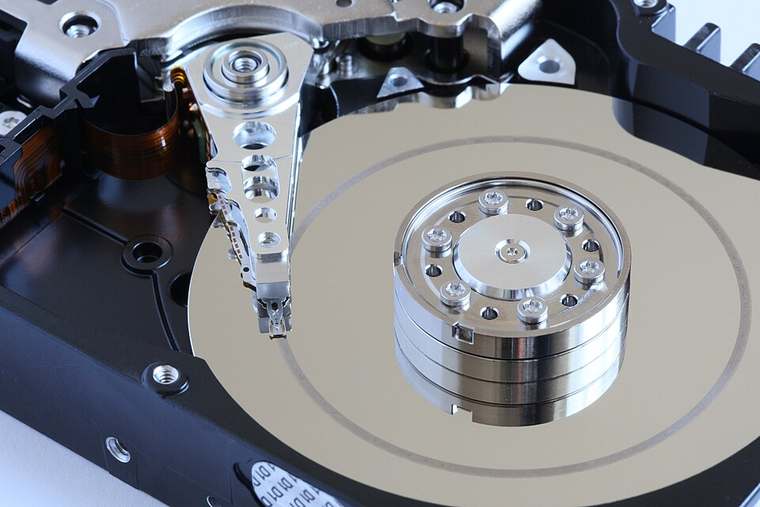 TechnologyThe first commercial hard disk stored five megabytes of dataThe IBM 350 disk storage unit used fifty magnetic platters each measuring twenty inches across
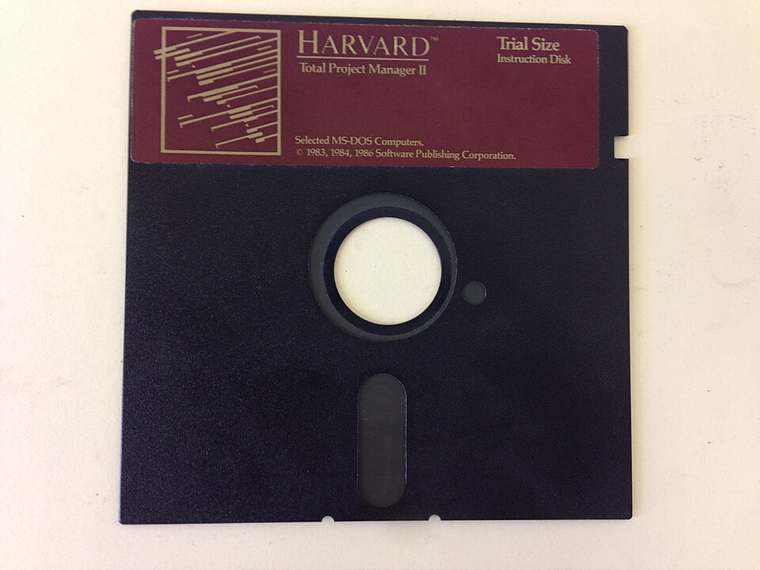 TechnologyThe floppy disk was created by IBM engineers led by Alan Shugart in 1967Flexible magnetic vinyl disks enclosed in plastic sleeves provided portable computer storage
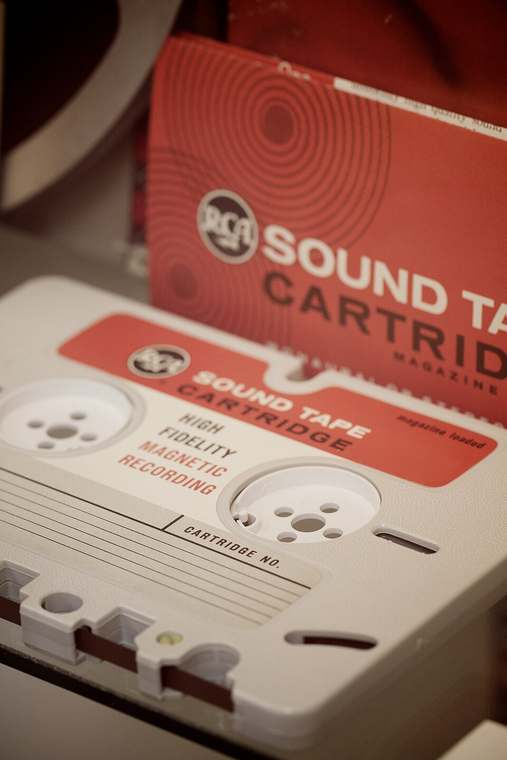 TechnologyMagnetic tape was introduced for computer data storage on the UNIVAC I in 1951UNISERVO tape drives replaced heavy punched card stacks with flexible magnetic mediaTechnologyFlash memory was invented at Toshiba in 1980Fujio Masuoka's team built a cell that held its data with no power, and Intel sold the first commercial chip in 1988TechnologyFlash cells wear out after a few thousand erasesNAND must be erased a whole block at a time, so controllers spread writes across spare blocks to even the damage
← → to keep reading, or swipe
Tags: storage, data-integrity, archiving
Stored files can rot without anyone touching them: the short answers
- Where does this come from, and can I check it?
- Magnetic, optical and flash media all lose data slowly, and a checksum is often the only sign that anything changed. The figure is taken from US National Archives, which is linked in full on this page. Every fact on Mondo Knows names its source rather than repeating an unsourced claim.
- Is this really a technology fact?
- Yes. It sits on the Technology shelf, one of 2,600 sourced facts grouped into space, animals, the human body, history, science and more. Category pages collect every fact in the same field.
- What else can I read about it?
- The links under the fact point to a quiz, game, puzzle or calculator on the same subject, and the shelf below shows related facts. The wording here is original, and quoted phrases are marked as quotations.