Mondo Knows Facts
200 Space Facts, Each One Checked and Sourced
Planets, stars, moons and the missions that studied them. There are 200 space facts on this shelf, each one short enough to read in a few seconds, each with a named source you can check yourself, and each linking onward to a quiz, game or calculator on the same theme.
Showing the first 24 of 200. Search or pick a shelf to load the rest.
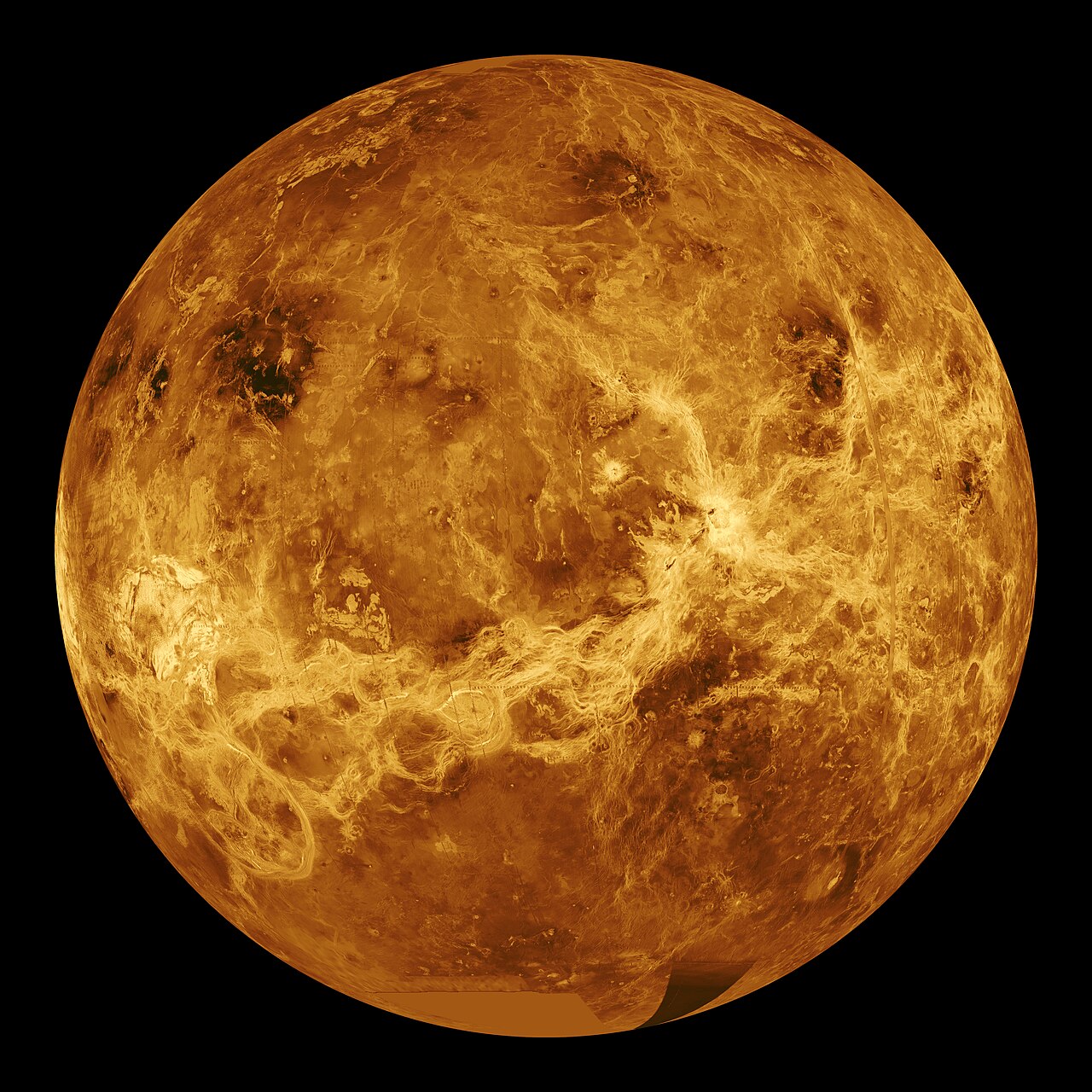 SpaceA day on Venus is longer than its yearVenus turns so slowly that its day outlasts its trip around the Sun
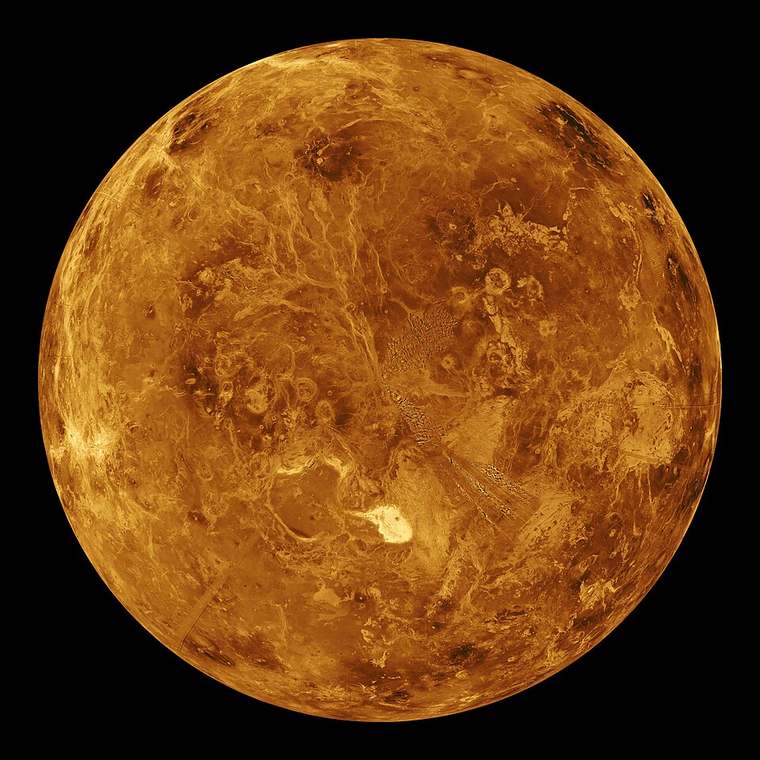 SpaceVenus is the hottest planet in the solar systemThick greenhouse gases trap heat to make Venus hotter than Mercury
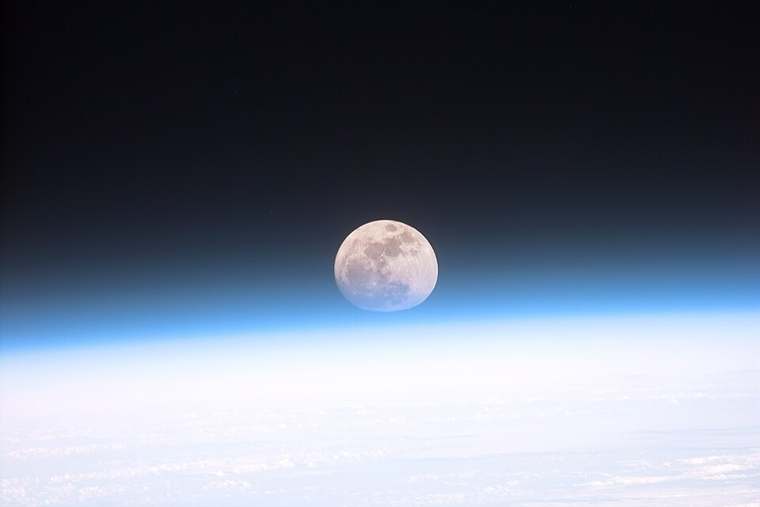 SpaceThe Moon is slowly drifting away from EarthLuni-solar tidal friction pushes the Moon outward by roughly four centimetres each year
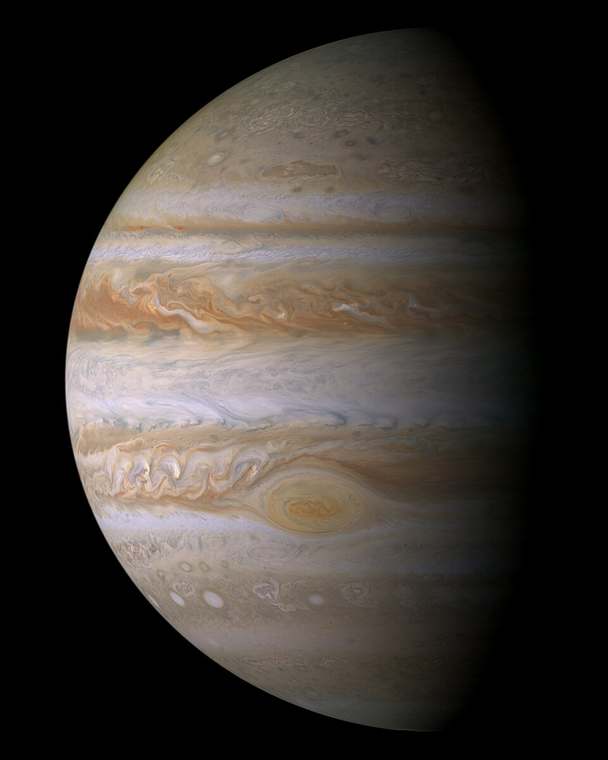 SpaceJupiter has the shortest day of any solar system planetThe gas giant completes a full rotation in under ten hours
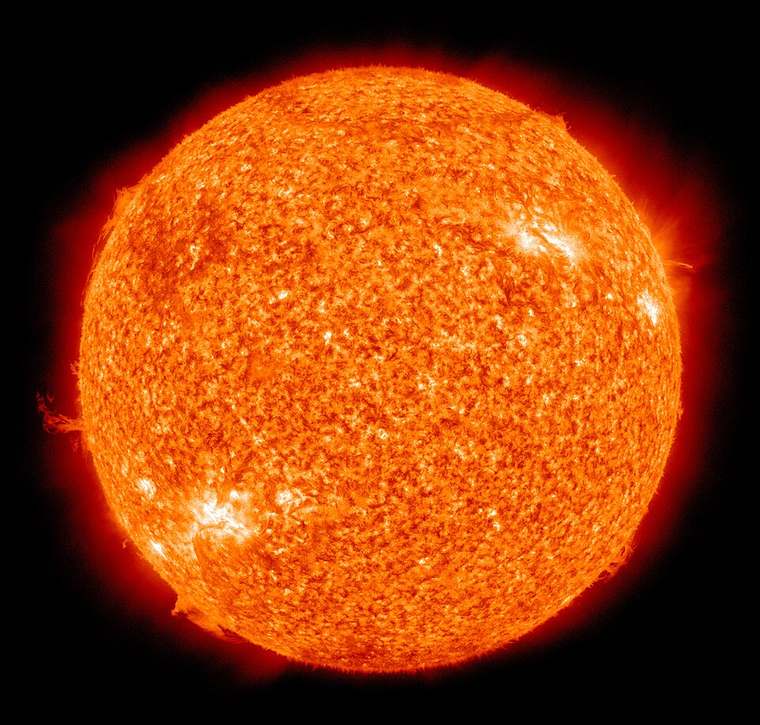 SpaceThe Sun holds nearly all the mass in the solar systemOver 99 percent of all matter in the solar system resides inside the Sun
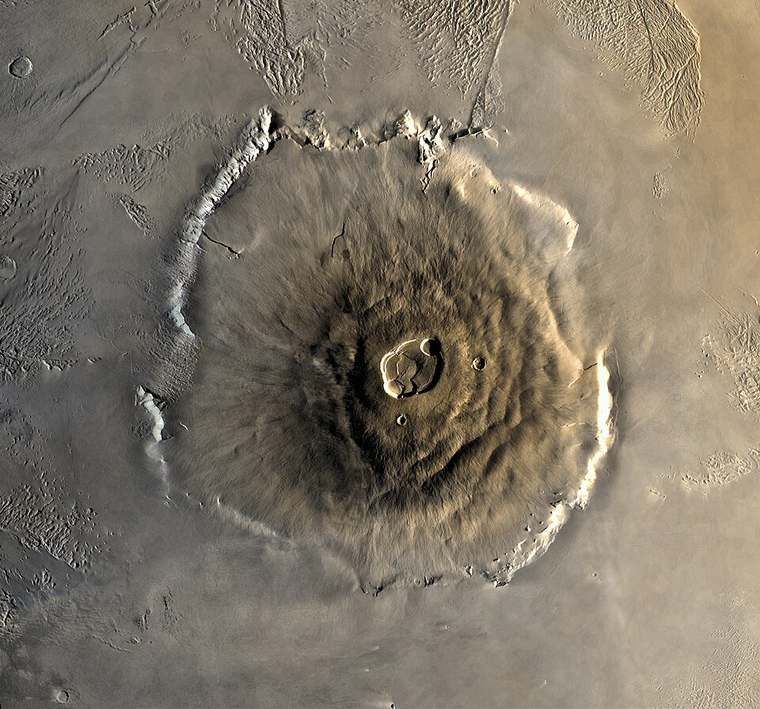 SpaceMars hosts the largest volcano in the solar systemOlympus Mons on Mars stands about two and a half times taller than Mount Everest
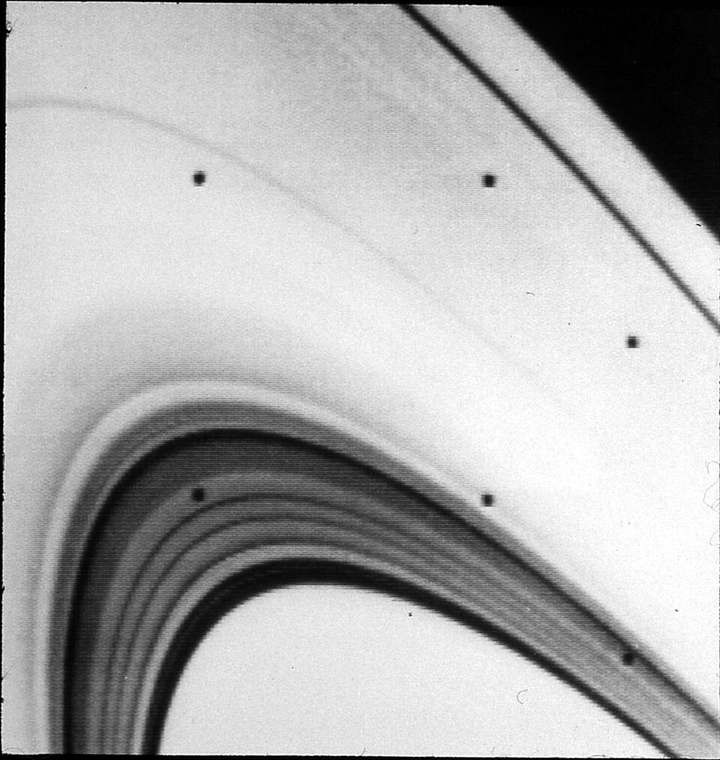 SpaceSaturn rings consist almost entirely of water iceBillions of icy fragments range from microscopic specks to house-sized bouldersSpaceA single teaspoon of a neutron star weighs billions of tonnesSuper-dense collapsed stellar cores pack enormous mass into tiny spheres
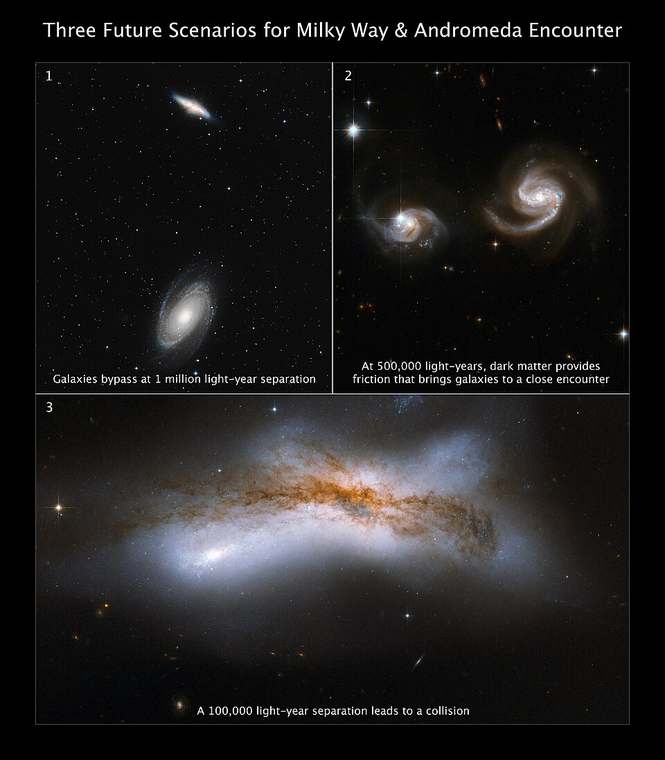 SpaceThe Milky Way will collide with the Andromeda GalaxyIn four billion years our home galaxy will merge with its nearest large neighbour
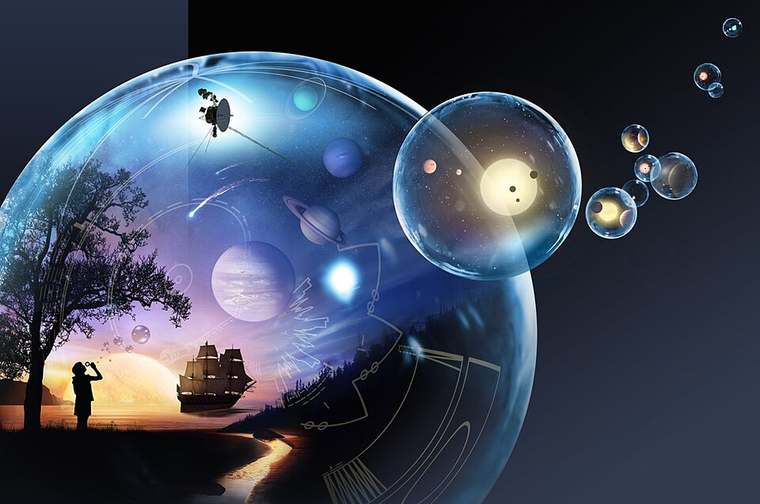 SpaceVoyager 1 is the farthest human object from EarthLaunched in 1977 the robotic probe is now travelling through interstellar spaceSpaceMercury experiences extreme surface temperature swingsWithout a thick atmosphere Mercury swings from scorching days to freezing nightsSpaceUranus rotates almost entirely on its sideAn axial tilt of 98 degrees causes extreme seasons lasting over 20 years
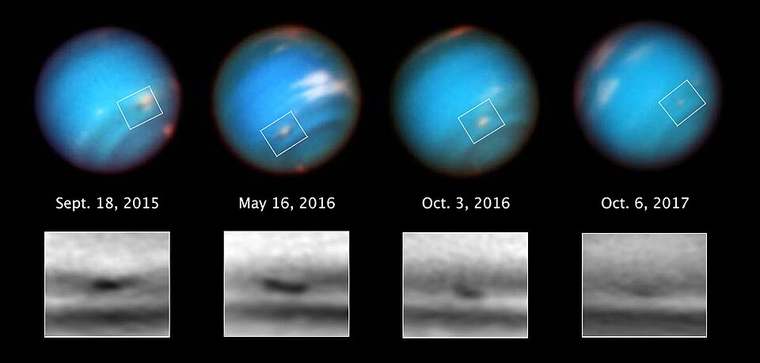 SpaceNeptune features the fastest winds in the solar systemSupersonic storms on Neptune reach speeds over two thousand kilometres per hour
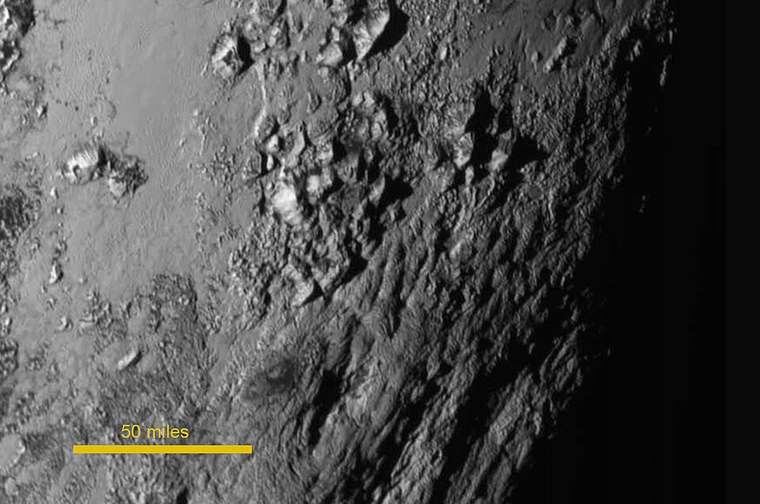 SpacePluto features a giant heart-shaped nitrogen glacierSputnik Planitia is a vast plain of frozen nitrogen ice on the dwarf planet
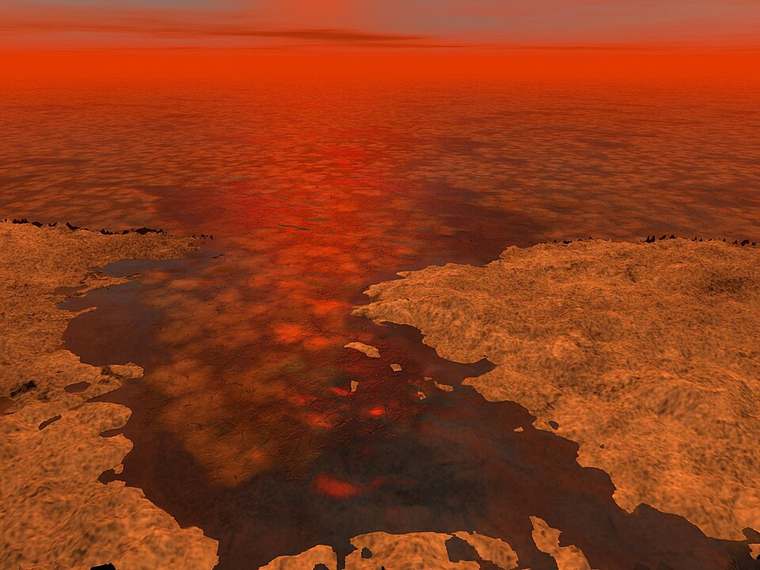 SpaceSaturn moon Titan has lakes and seas of liquid methaneTitan is the only world besides Earth known to host stable liquid on its surface
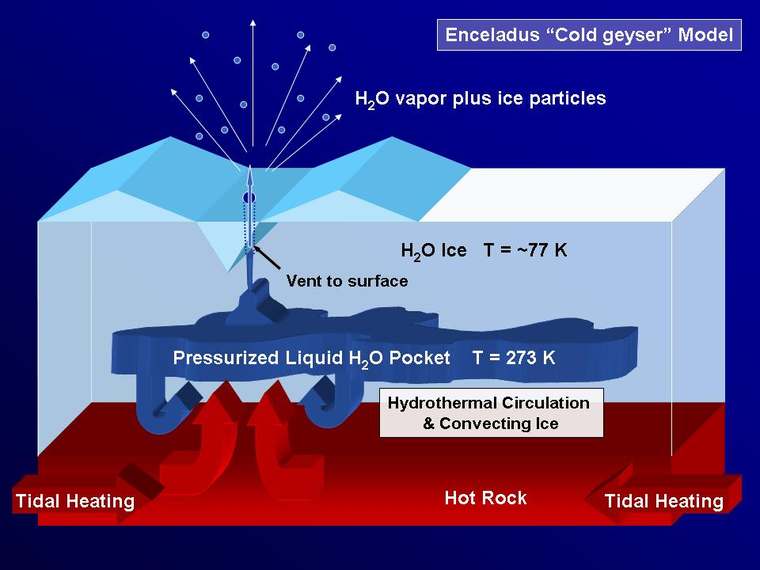 SpaceEnceladus erupts giant geysers of water ice into spaceA global subsurface ocean vents through cracks near the south pole of Saturn moon
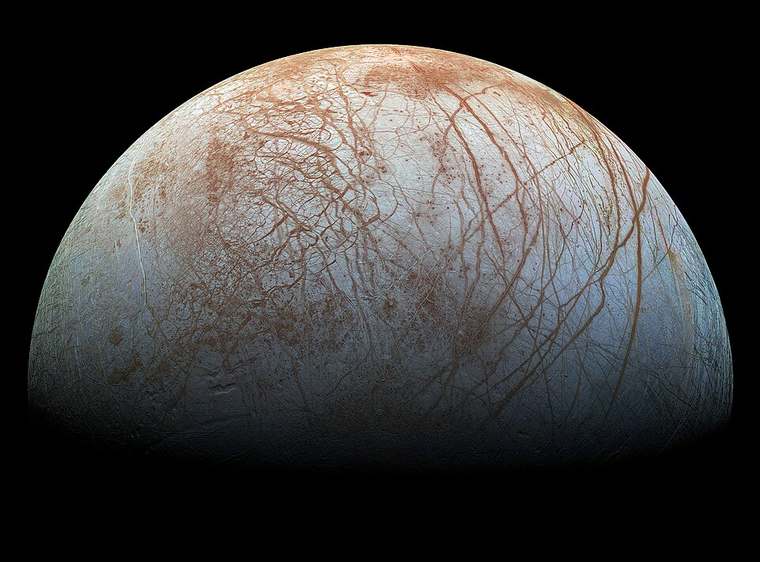 SpaceEuropa may hold twice as much water as all Earth oceans combinedA deep saltwater ocean sits concealed beneath the icy crust of Jupiter moon
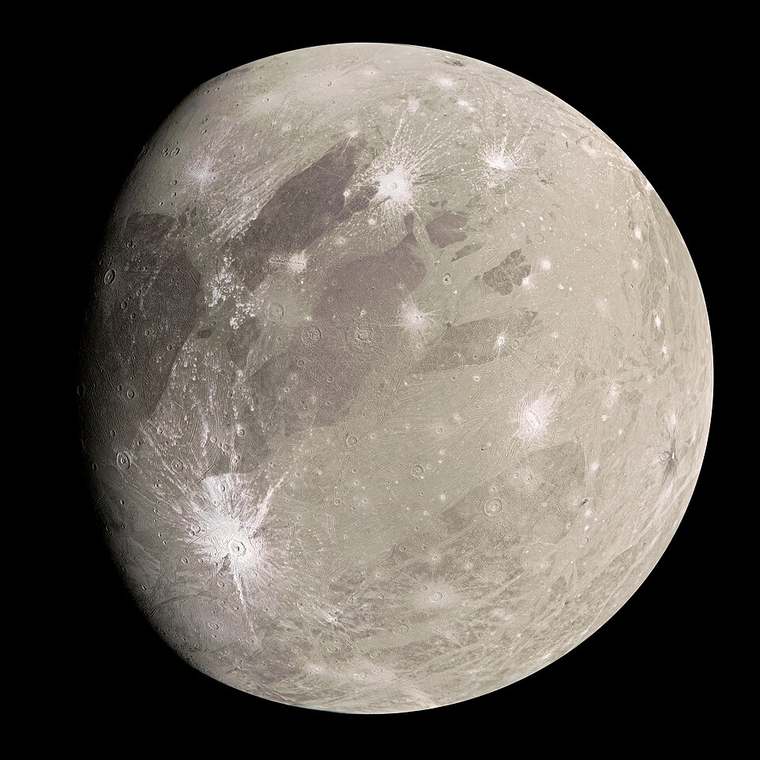 SpaceGanymede is the largest moon in the solar systemJupiter giant satellite is larger than both Mercury and PlutoSpaceIo is the most volcanically active body in the solar systemTidal forces from Jupiter squeeze Io to drive hundreds of lava eruptionsSpaceSunlight takes roughly eight minutes to reach EarthLight travels 150 million kilometres across space at 300,000 kilometres per second
 SpaceSpace is completely silent because sound needs a medium to travelWithout air or gas particles sound waves cannot propagate through the cosmic vacuum
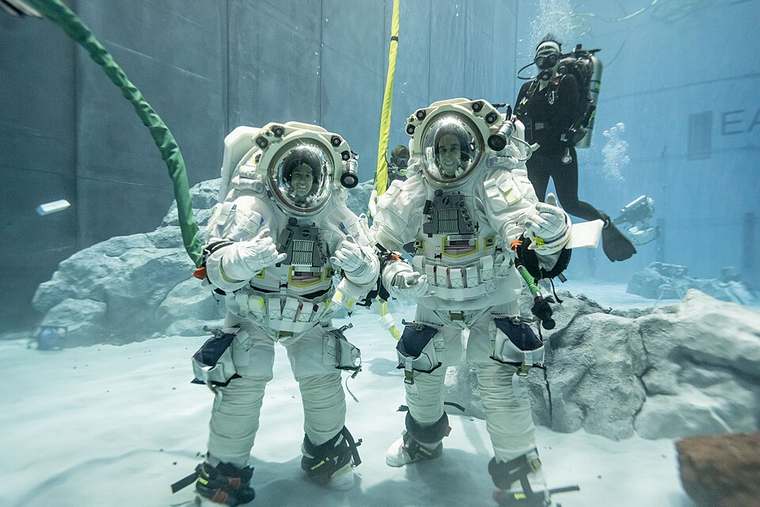 SpaceA full NASA spacesuit costs millions of dollars to produceCustom life support systems turn every spacesuit into a tiny personal spacecraft
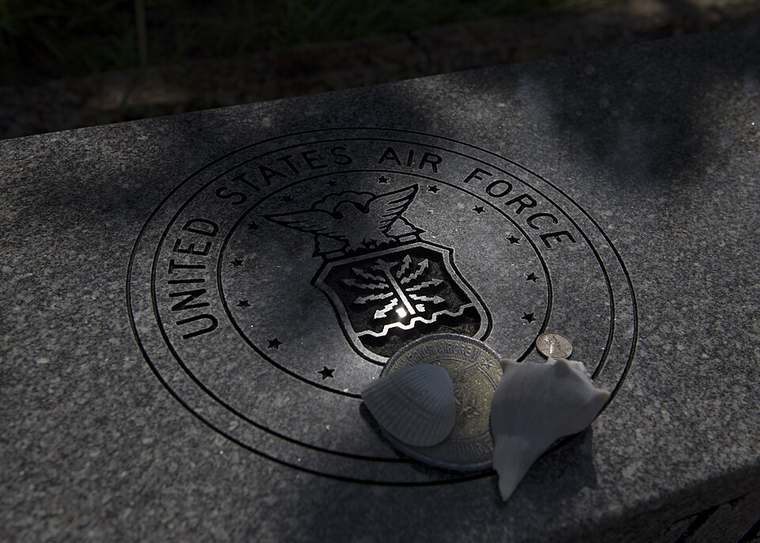 SpaceFootprints left on the Moon will last for millions of yearsWithout wind or water erosion Apollo astronaut tracks remain undisturbed
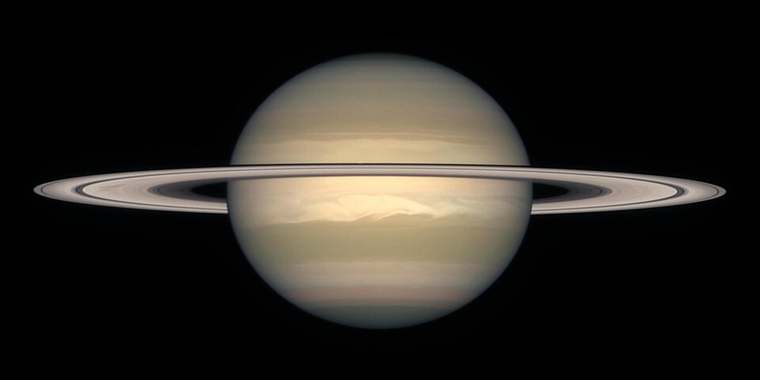 SpaceSaturn is the only solar system planet less dense than waterThe massive gas giant would float if placed in a vast oceanic basin
All 200 Space facts
- A day on Venus is longer than its year
- Venus is the hottest planet in the solar system
- The Moon is slowly drifting away from Earth
- Jupiter has the shortest day of any solar system planet
- The Sun holds nearly all the mass in the solar system
- Mars hosts the largest volcano in the solar system
- Saturn rings consist almost entirely of water ice
- A single teaspoon of a neutron star weighs billions of tonnes
- The Milky Way will collide with the Andromeda Galaxy
- Voyager 1 is the farthest human object from Earth
- Mercury experiences extreme surface temperature swings
- Uranus rotates almost entirely on its side
- Neptune features the fastest winds in the solar system
- Pluto features a giant heart-shaped nitrogen glacier
- Saturn moon Titan has lakes and seas of liquid methane
- Enceladus erupts giant geysers of water ice into space
- Europa may hold twice as much water as all Earth oceans combined
- Ganymede is the largest moon in the solar system
- Io is the most volcanically active body in the solar system
- Sunlight takes roughly eight minutes to reach Earth
- Space is completely silent because sound needs a medium to travel
- A full NASA spacesuit costs millions of dollars to produce
- Footprints left on the Moon will last for millions of years
- Saturn is the only solar system planet less dense than water
- Objects entering a black hole undergo spaghettification
- A light-year is a measure of distance rather than time
- The observable universe contains septillions of stars
- It rains diamonds deep inside Uranus and Neptune
- Sunsets on Mars appear blue to the human eye
- Halley Comet returns to the inner solar system every 76 years
- The International Space Station orbits Earth every 90 minutes
- Proxima Centauri is the closest star to our solar system
- A single solar flare releases millions of hydrogen bombs worth of energy
- Dark matter accounts for 85 percent of all matter in the universe
- The Crab Nebula is the remnant of a supernova observed in 1054
- A supermassive black hole sits at the centre of the Milky Way
- The Hubble Deep Field uncovered thousands of distant galaxies
- The James Webb Space Telescope uses gold-coated beryllium mirrors
- The Parker Solar Probe is the fastest human-made object ever built
- Jupiter Great Red Spot is a anticyclonic storm shrinking over time
- Valles Marineris on Mars is the largest canyon system in the solar system
- Betelgeuse is a dying red supergiant star near a supernova explosion
- Stephenson 2-18 is one of the largest known stars in the universe
- Magnetars possess the strongest magnetic fields in the universe
- Black holes slowly evaporate over time via Hawking radiation
- Pulsars emit precise radio beams like cosmic lighthouses
- The Kuiper Belt holds hundreds of thousands of icy bodies
- The Oort Cloud is a distant spherical shell of comets
- Ceres is the largest object in the main asteroid belt
- Eris discovery prompted the reclassification of Pluto
- Mars has two tiny irregularly shaped moons named Phobos and Deimos
- Neptune moon Triton orbits in the opposite direction of planetary spin
- Saturn moon Mimas resembles the fictional Death Star
- Saturn moon Iapetus features two contrasting colour hemispheres
- Callisto is the most heavily cratered body in the solar system
- Total solar eclipses are possible due to a cosmic geometric coincidence
- Venus rotates backwards relative to most solar system planets
- Astronauts grow up to five centimetres taller while living in space
- The Moon is tidally locked so it always shows the same face to Earth
- Astronauts report that space smells like seared steak and welding fumes
- The cosmic microwave background is the oldest light in the universe
- The expansion of the universe is accelerating over cosmic time
- 51 Pegasi b was the first exoplanet discovered around a Sun-like star
- TRAPPIST-1 hosts seven Earth-sized rocky planets around an ultracool star
- Oumuamua was the first confirmed interstellar visitor to our solar system
- Apollo astronauts left retroreflector mirrors on the Moon surface
- Sputnik 1 was the first artificial satellite launched into Earth orbit
- Curiosity rover sang Happy Birthday to itself on Mars in 2013
- Perseverance rover generated breathable oxygen from Martian air
- The Sun outer corona is hundreds of times hotter than its surface
- The Event Horizon Telescope captured the first direct image of a black hole
- Brown dwarfs are failed stars that cannot sustain core nuclear fusion
- A hypernova is an exceptionally energetic supernova explosion
- Saturn features a permanent hexagonal cloud pattern at its north pole
- Earth orbit holds millions of artificial space debris fragments
- Earth is encircled by two energetic Van Allen radiation belts
- Auroras are powered by energetic solar wind colliding with upper air
- LIGO directly detected gravitational waves for the first time in 2015
- The Kepler Space Telescope discovered thousands of exoplanets
- The Milky Way is pulled towards a vast gravitational feature
- Rosetta was the first mission to orbit and land on a comet
- New Horizons performed the first close-up flyby of Pluto in 2015
- Cassini ended its 13-year Saturn mission with a intentional plunge
- Voyager 2 is the only spacecraft to visit both Uranus and Neptune
- Pioneer 10 carries a gold-anodised plaque for interstellar space
- The Sun flips its magnetic field poles every eleven years
- Lagrange points provide stable orbital parking spots in space
- Kepler-186f was the first Earth-sized planet found in a habitable zone
- Exoplanet HD 189733b experiences liquid glass rain blowing sideways
- Uranus moon Miranda features the tallest cliff in the solar system
- Pluto and Charon orbit a common centre outside Pluto body
- Jupiter possesses the largest magnetic field of any solar system planet
- Meteor showers occur when Earth passes through comet debris trails
- White dwarfs are supported by quantum electron degeneracy pressure
- Gold and platinum are synthesized during neutron star collisions
- The Sun core converts 600 million tonnes of hydrogen every second
- The Milky Way belongs to a cluster of over fifty galaxies
- The Spitzer Space Telescope peered through interstellar dust clouds
- The heliosphere shields our solar system from harmful cosmic rays
- Galaxies across the universe are arranged in a vast cosmic web
- Gagarin circled Earth once in 108 minutes
- Leonov made the first spacewalk in 1965
- Tereshkova flew 48 orbits before any other woman
- Apollo 8 took the first Earthrise photograph
- Apollo 13 used the Moon as a slingshot home
- The Space Shuttle flew 135 missions over 30 years
- Crew Dragon restored US crew launches in 2020
- Falcon 9 landed its first booster in 2015
- Luna 3 photographed the Moon's hidden side
- Venera 7 survived a landing on Venus
- Mariner 4 sent the first close-up pictures of Mars
- Chandrayaan-3 landed near the lunar south pole
- Chang'e 4 landed on the Moon's far side
- InSight measured Mars quakes and sized its core
- OSIRIS-REx brought asteroid pieces back to Earth
- DART nudged an asteroid onto a new orbit
- Lucy is touring Jupiter's Trojan asteroids
- Europa Clipper will make dozens of close passes
- Geostationary satellites sit 35,786 kilometres up
- GPS clocks are corrected for relativity every day
- Mars launch windows open about every 26 months
- Gravity assists trade planetary motion for spacecraft speed
- Astronauts on the station are not escaping gravity
- Eclipses repeat on an 18 year Saros cycle
- Lunar eclipses glow red because of bent sunlight
- Earth's spin gives eastward launches a free boost
- Sun-synchronous orbits keep the same local time
- Molniya orbits loiter over high latitudes
- Satellites in low orbit slowly sink
- The station recycles almost all of its water
- The 1859 solar storm set telegraphs alight
- Comet ion tails point away from the Sun
- Sunspots look dark but are merely cooler
- A gold mine caught the Sun's neutrinos
- Planetary nebulae have nothing to do with planets
- Leavitt found a yardstick in Cepheid stars
- Type Ia supernovae make reliable cosmic rulers
- A parsec comes from a tiny parallax angle
- Cold hydrogen betrays itself at 21 centimetres
- Stars are born inside cold molecular clouds
- ALMA photographed a planet's birth disk
- A planet crossing its star dims the light
- Wobbling starlight reveals unseen planets
- Some planets orbit two suns at once
- Rogue planets wander the galaxy without a star
- Huygens landed on Titan and saw river channels
- Martian dust storms can swallow the whole planet
- Mars polar caps grow and shrink every year
- Lunar dust is sharp enough to scratch glass
- The Moon formed from a giant planetary impact
- Galileo published his telescope drawings in 1610
- The Hubble mirror was ground to the wrong shape
- The James Webb telescope circles an empty point in space
- The Apollo guidance computer held about 72 kilobytes
- Apollo 11 landed through a cascade of computer alarms
- Moon dust smelled like spent gunpowder
- Each Saturn V fuel pump produced 55 megawatts
- The space shuttle flew 135 missions
- The space station circles Earth every 90 minutes
- Voyager 1 is the furthest human made object
- The Voyager golden record covers 90 minutes
- Cassini released a probe that landed on Titan
- New Horizons reached Pluto after nine and a half years
- Most of a rocket is the fuel to lift the fuel
- Geostationary orbit sits 35,786 kilometres up
- Orbiting low means moving fast
- Baikonur is the oldest working spaceport
- Cape Canaveral was chosen partly for the ocean
- A Moonwalking spacesuit weighed about 127 kilograms
- Radar tracks tens of thousands of pieces of debris
- Kessler described a collision cascade in 1978
- An astronomical unit is 149.6 million kilometres
- A light year is 9.461 trillion kilometres
- A parsec is a parallax measurement, not a time
- The Moon is slowing Earth's spin
- Totality never lasts longer than about seven and a half minutes
- Stonehenge lines up with the solstice sunrise
- Medieval observatories measured the sky for centuries
- About 6,000 stars are visible to unaided eyes
- Mars once had a global magnetic field
- Apollo brought back 382 kilograms of Moon rock
- There are five gravitational parking spots near Earth
- The countdown came from a German film
- Sally Ride became the first American woman in space in 1983
- The first spacewalk lasted about twelve minutes
- The Sun emits about 384 yottawatts
- A day on Mars lasts 24 hours 40 minutes
- Venus Express circled the planet for nine years
- Jupiter outweighs all the other planets together
- A comet's tail points away from the Sun
- Ceres holds about a third of the belt's mass
- The Milky Way's black hole is four million solar masses
- Galaxy clusters act as magnifying lenses
- Splitting starlight reveals what a star is made of
- Almost every galaxy is moving away from us
- A teaspoon of neutron star matter weighs a billion tonnes
- Most heavy elements were forged in stars
- The lunar night falls to about minus 173 Celsius
- Artemis targets the Moon's south pole
- Crews have printed tools on the space station
Test what you know
Turn these facts into a quiz: Space & Astronomy trivia questions, with an explanation after every answer.
More fact shelves
Questions people ask
- How many space facts are there?
- 200, each with a named source and a link to it. Planets, stars, moons and the missions that studied them.
- Where do these facts come from?
- Mostly primary sources: NASA, the ESA, museums, universities and peer-reviewed papers. A fact is only published here once a source can be linked, and the wording is written fresh rather than copied.
- Can I read them in one sitting?
- The page lists the newest first and the search box narrows by word. Every fact links onward to a quiz, game or calculator on the same subject, so it works as a browse or as a jumping-off point.