Mondo Knows Facts
200 Science Facts, Each One Checked and Sourced
Physics, chemistry and biology, explained plainly. There are 200 science facts on this shelf, each one short enough to read in a few seconds, each with a named source you can check yourself, and each linking onward to a quiz, game or calculator on the same theme.
Showing the first 24 of 200. Search or pick a shelf to load the rest.
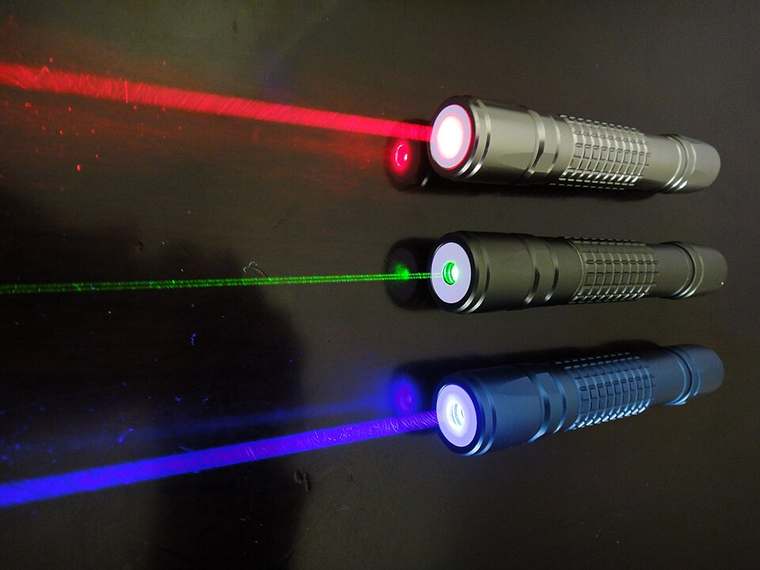 ScienceLight travels at nearly three hundred million metres per secondIn a vacuum light travels at an exact speed of 299,792,458 metres per second
 ScienceSound travels about four times faster in water than in airDenser molecular packing in liquid water transmits mechanical acoustic waves rapidly
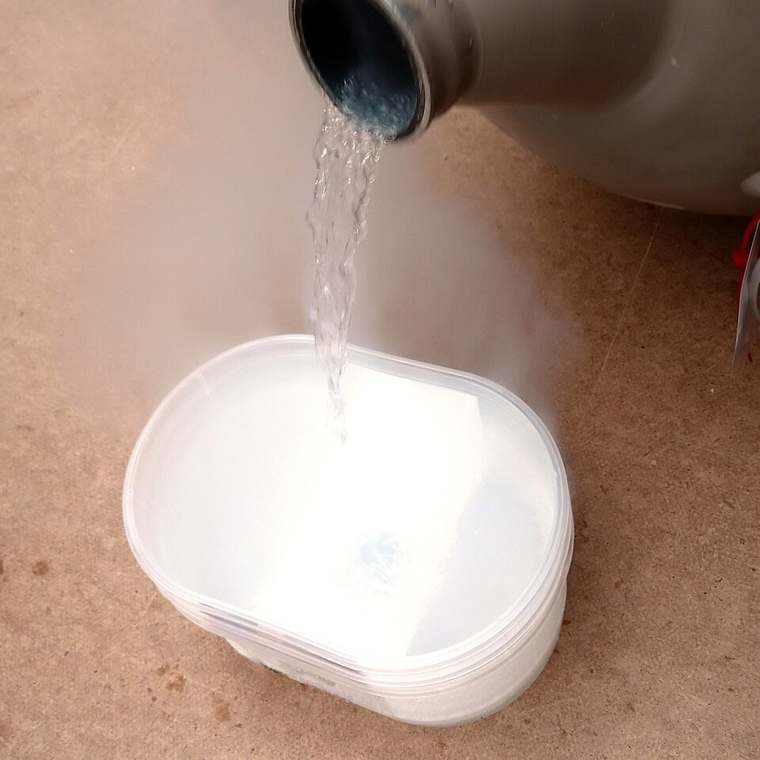 ScienceAbsolute zero is the theoretical lower limit of temperatureAt minus 273 degrees Celsius all classical thermal motion of atoms stops completely
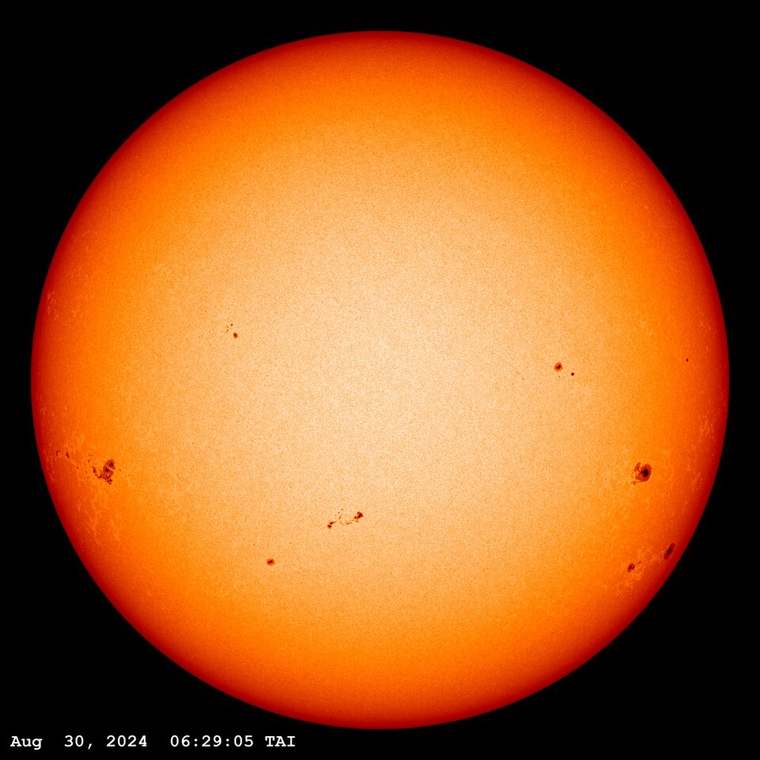
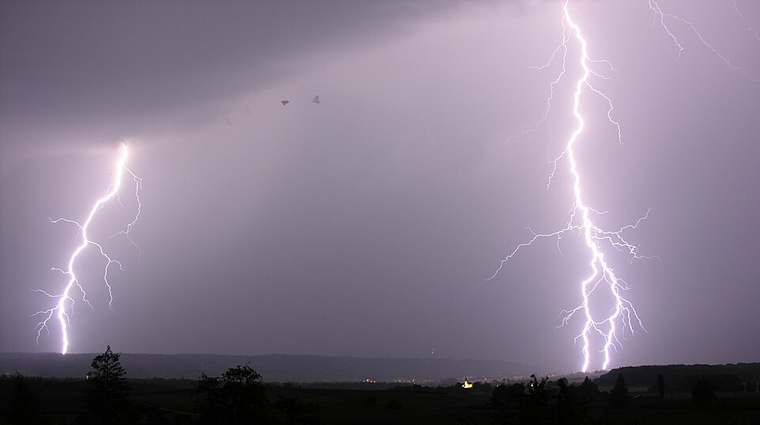 ScienceLightning bolts are hotter than the surface of the SunA single electrical strike can heat surrounding air to thirty thousand degrees CelsiusScienceSuperconductors carry electricity with zero energy lossCooled below a critical temperature certain materials conduct electric current perfectlyScienceLight particles possess energy but no rest massPhotons travel at the speed of light because they carry momentum without rest massScienceClocks run slower in stronger gravitational fieldsGeneral relativity proves that gravity curves spacetime and slows down the passage of time
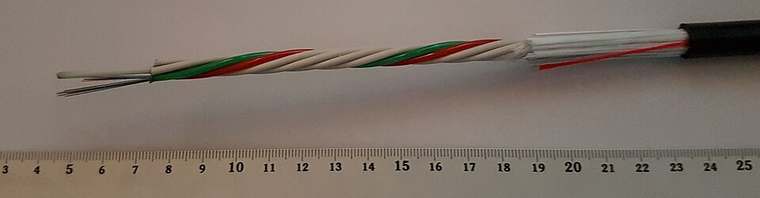 ScienceOptical fibres trap light using total internal reflectionLight signals bounce inside glass cores without escaping through the outer boundaryScienceFaster moving fluid creates lower static pressureBernoulli's principle explains how pressure drops when fluid or air velocity increasesScienceQuantum particles exist in multiple states simultaneouslySubatomic systems remain in a superposition of probability states until measured
 ScienceEarth magnetic poles flip every few hundred thousand yearsGeomagnetic reversals swap the North and South magnetic poles over geologic timescalesScienceWater exists as solid liquid and gas at its triple pointAt zero point zero one degrees Celsius and specific pressure water coexists in three statesScienceMatter and light display both wave and particle attributesElectrons and photons behave as localised particles or spreading waves based on test setupScienceBuoyant force equals the weight of displaced fluidArchimedes principle governs why steel ships float despite their heavy total mass
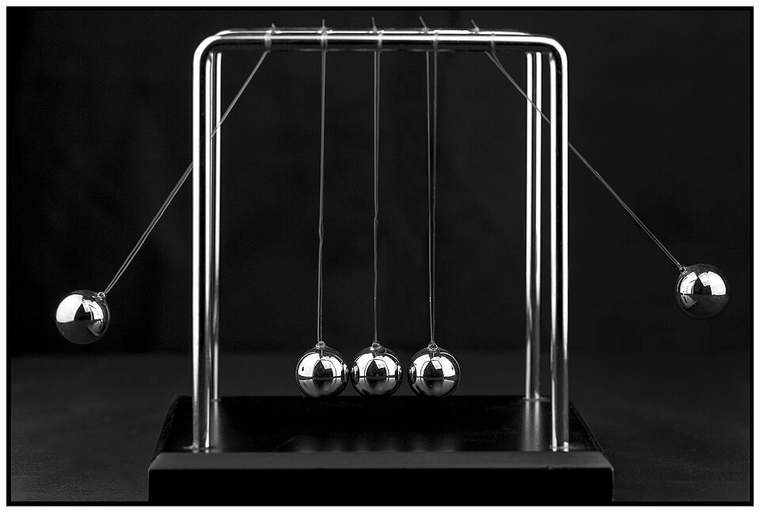 ScienceEnergy cannot be created or destroyed only transformedThe total energy in an isolated system remains completely constant over timeScienceParticles moving faster than light in water glow bright blueCherenkov radiation acts as an optical sonic boom for high speed charged particles
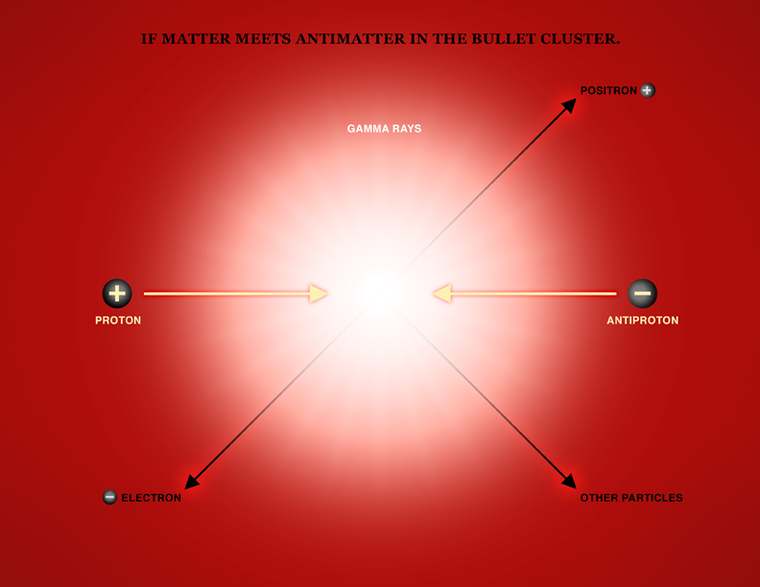 ScienceMatter and antimatter annihilate into pure gamma raysCollisions between particles and antiparticles convert one hundred percent of mass to energy
 ScienceMoving wave sources shift frequency relative to observersThe Doppler effect compresses approaching sound waves and stretches departing onesScienceLight bends when transitioning between different transparent materialsRefraction alters the direction of light waves due to changes in propagation speed
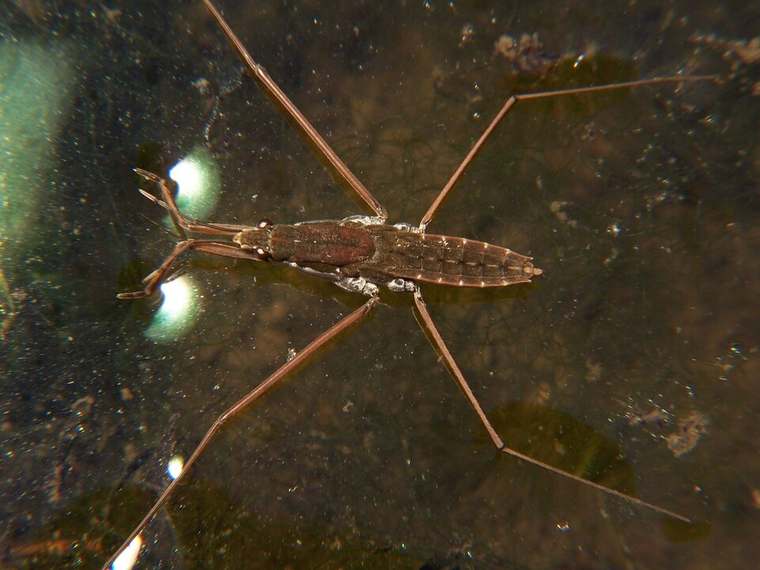 ScienceSurface tension allows water striders to walk on liquidCohesive hydrogen bonds draw surface water molecules into an elastic skin-like film
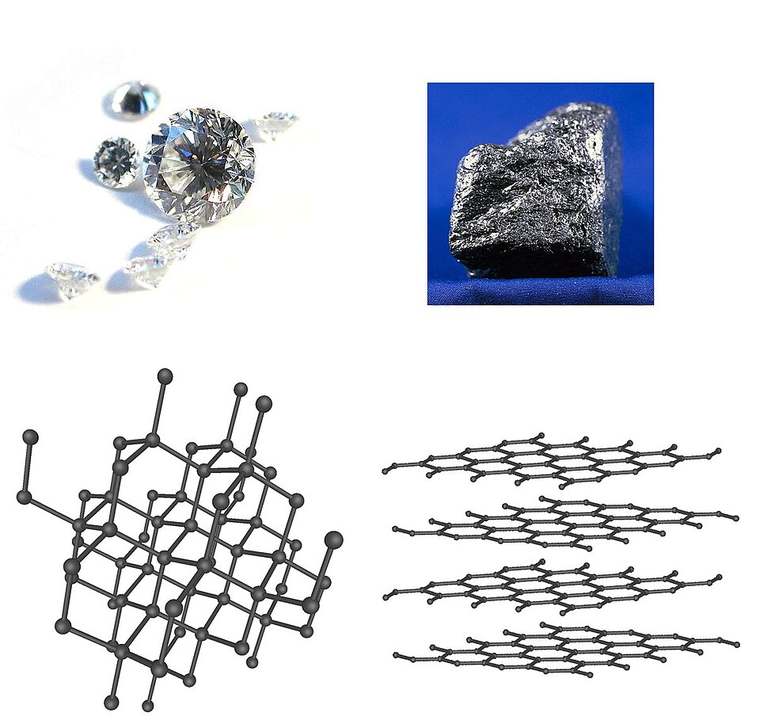 ScienceDiamond and graphite are made of identical carbon atomsVastly different crystal bonding arrangements give carbon contrasting physical traits
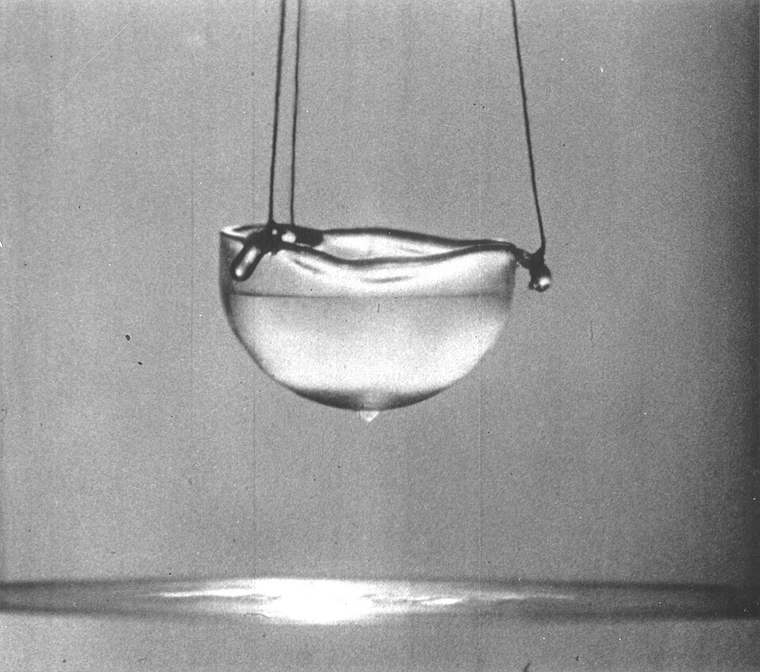 ScienceHelium remains liquid at absolute zero under normal pressureWeak interatomic forces and high quantum zero-point motion prevent helium from freezing
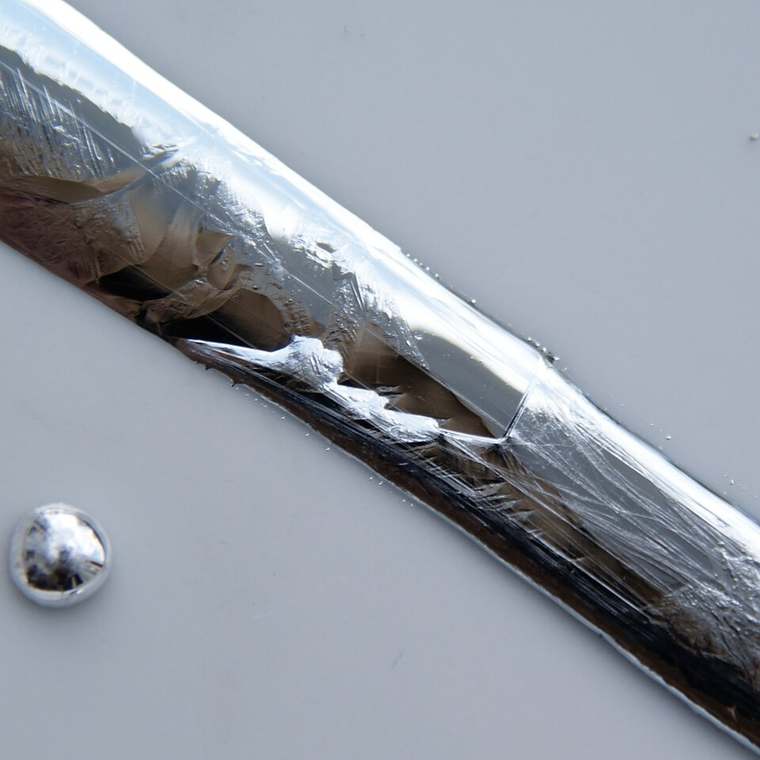 ScienceGallium metal melts in the warmth of a human handA low melting point of thirty degrees Celsius liquifies solid gallium metalScienceThe periodic table organizes elements by proton countAtomic number dictates repeating chemical patterns across periods and groups
All 200 Science facts
- Light travels at nearly three hundred million metres per second
- Sound travels about four times faster in water than in air
- Absolute zero is the theoretical lower limit of temperature
- Lightning bolts are hotter than the surface of the Sun
- Superconductors carry electricity with zero energy loss
- Light particles possess energy but no rest mass
- Clocks run slower in stronger gravitational fields
- Optical fibres trap light using total internal reflection
- Faster moving fluid creates lower static pressure
- Quantum particles exist in multiple states simultaneously
- Earth magnetic poles flip every few hundred thousand years
- Water exists as solid liquid and gas at its triple point
- Matter and light display both wave and particle attributes
- Buoyant force equals the weight of displaced fluid
- Energy cannot be created or destroyed only transformed
- Particles moving faster than light in water glow bright blue
- Matter and antimatter annihilate into pure gamma rays
- Moving wave sources shift frequency relative to observers
- Light bends when transitioning between different transparent materials
- Surface tension allows water striders to walk on liquid
- Diamond and graphite are made of identical carbon atoms
- Helium remains liquid at absolute zero under normal pressure
- Gallium metal melts in the warmth of a human hand
- The periodic table organizes elements by proton count
- Water expands as it transforms from liquid to ice
- Gold resists corrosion because it is chemically unreactive
- Hydrofluoric acid dissolves glass by attacking silicon dioxide
- Francium is the rarest naturally occurring element on Earth
- Catalysts accelerate reactions without being consumed
- The pH scale measures hydrogen ion concentration logarithmically
- One mole contains over six hundred sextillion particles
- Only two elements are liquid at room temperature
- Ultraviolet light creates ozone in the upper atmosphere
- Hydrogen makes up three quarters of all cosmic mass
- Chemical reactions either release or absorb thermal energy
- Aerogel is a solid synthetic material that is mostly air
- Graphene is a single atom layer of extraordinary strength
- Nitrous oxide acts as a mild inhalation anesthetic
- Osmosis drives water through membranes toward higher solute concentration
- Fluorine is the most electronegative element on the periodic table
- DNA stores genetic instruction in a double helix structure
- Mitochondria produce most of the energy used by eukaryotic cells
- Photosynthesis turns light energy into chemical energy
- Ribosomes act as protein building factories inside cells
- Tardigrades survive extreme vacuum radiation and freezing
- Trillions of microorganisms inhabit the human body
- Plants look green because chlorophyll reflects green light
- Enzymes act as highly specific biological catalysts
- CRISPR originated as a bacterial defense against viral infections
- Fungal mycelium forms vast underground nutrient sharing networks
- Hemoglobin uses iron to transport oxygen through blood
- Bioluminescence generates light without losing energy to heat
- Epigenetics alters gene activity without changing DNA code
- Neurons pass signals across microscopic synaptic gaps
- Cellulose gives plant cell walls structural strength
- Extremophile archaea thrive in boiling acid and deep hydrothermal vents
- Telomeres cap chromosome ends and shorten as cells divide
- Apoptosis is an orderly process of programmed cell suicide
- Chloroplasts and mitochondria originated as engulfed bacteria
- The human genome contains over three billion base pairs
- Earth inner core stays solid despite temperatures of five thousand degrees
- Tectonic plates move at speeds comparable to fingernail growth
- Molten iron convection in outer core creates Earth magnetic shield
- Nitrogen and oxygen make up ninety-nine percent of dry air
- The Ring of Fire hosts most of Earth volcanoes and earthquakes
- Mohs scale rates mineral scratch resistance from talc to diamond
- Earth rotation deflects moving air masses and ocean currents
- Cumulonimbus cloud towers can reach twelve kilometres high
- Heat from Earth core drives slow mantle convection currents
- Dripping mineral water builds stalactites and stalagmites in caves
- Primary seismic waves travel faster through rock than secondary waves
- Dissolving bedrock creates sinkholes and underground drainage systems
- The stratospheric ozone layer screens out harmful UV solar rays
- Obsidian forms when lava cools too quickly to grow crystals
- Permafrost traps immense quantities of organic carbon
- Challenger Deep drops nearly eleven kilometres below sea level
- Petrification turns organic wood into stone over millennia
- Hydrothermal vents spew mineral rich water at four hundred degrees
- The troposphere contains three quarters of all atmospheric mass
- Carbon-14 decay allows dating of ancient organic remains
- The metre is defined by the speed of light in vacuum
- The kilogram was redefined in 2019 using Planck's constant
- The Kelvin scale starts at absolute zero without negative numbers
- Atomic clocks define the standard second using caesium atoms
- Piezoelectric materials convert mechanical pressure to electricity
- Shape memory alloys return to original shapes when heated
- Non-Newtonian fluids change viscosity when force is applied
- Supercritical fluids combine properties of liquids and gases
- Quartz crystals vibrate at precise frequencies when electrified
- Carbon nanotubes possess exceptional tensile strength
- The lotus effect causes water droplets to roll off surfaces clean
- Kevlar polymer derives extreme strength from inter-chain hydrogen bonds
- Semiconductors control electric current via bandgap energy levels
- Superfluid liquid helium flows uphill without friction
- Permanent magnets lose magnetism when heated above the Curie point
- Calcite crystals split passing light rays into double images
- The pascal measures pressure as one newton per square metre
- Quantum dots emit vivid colours determined purely by physical size
- The mole standardizes chemical substance amounts for reactions
- Graphene conducts thermal energy faster than diamond
- Mendeleev left gaps for undiscovered elements
- Noble gases have full outer electron shells
- Sodium metal reacts violently with water
- Silver is the best electrical conductor
- Tungsten has the highest melting point of any metal
- Helium was found in the Sun before Earth
- Argon was discovered in leftover air
- Isotopes differ only in their neutrons
- Transition metals form brightly coloured compounds
- Plasma is the most common state of matter
- A Bose-Einstein condensate behaves as one atom
- Evaporation cools whatever is left behind
- Glass is an amorphous solid, not a crystal
- Liquid crystals flow yet still bend light
- Dry ice turns straight from solid to gas
- Water boils cooler high on mountains
- Frost forms straight from water vapour
- Newton split white light with a prism
- A rainbow forms opposite the Sun
- Rayleigh scattering makes the daytime sky blue
- A polarising filter blocks half of ordinary light
- The double slit experiment shows light interfering
- Roentgen discovered X-rays by accident
- Herschel found infrared beyond the red end
- The photoelectric effect needs a minimum frequency
- Planck quantised energy to fix a spectrum
- A sonic boom trails behind a supersonic aircraft
- Electrons drift through wires very slowly
- Rubbing materials transfers electric charge
- A compass points to magnetic north, not true north
- Faraday made electricity from a moving magnet
- Franklin invented the lightning rod
- Electric eels generate hundreds of volts
- Heat and temperature are not the same thing
- Entropy measures how spread out energy is
- Carnot set a limit on engine efficiency
- Bridges need gaps for thermal expansion
- Water needs a lot of heat to warm up
- Sweating cools you through latent heat
- Heat moves in three distinct ways
- Anthocyanins turn autumn leaves red
- Tyrian purple came from sea snails
- Prussian blue was the first synthetic pigment
- Flame tests identify metals by colour
- Some colours come from structure, not pigment
- Fluorescent things glow only while lit
- Esters give ripe fruit much of its smell
- Geosmin creates the smell of rain
- Thiols are among the strongest smelling compounds
- Humans smell with about 400 receptor genes
- Seafloor spreading builds new ocean crust
- Wegener proposed that continents drift
- India colliding with Asia raised the Himalaya
- The San Andreas is a transform fault
- Subduction recycles old ocean floor
- Hawaii sits over a fixed mantle hotspot
- Earthquake magnitude rises on a log scale
- Tsunamis race across deep open ocean
- Geysers need a narrow underground plumbing
- Ice cores hold bubbles of ancient air
- Hadley cells drive the trade winds
- Monsoons reverse direction with the seasons
- The jet stream steers weather systems
- The dew point marks when condensation starts
- Hailstones grow in layers inside storms
- Albedo measures how much sunlight bounces off
- Oceans circulate driven by heat and salt
- El Nino shifts weather across the Pacific
- Greenhouse gases absorb outgoing infrared
- Darwin and Wallace found natural selection
- Mendel's peas revealed how traits inherit
- Mutations supply new genetic variation
- Population bottlenecks cut genetic diversity
- Antibiotic resistance is evolution in action
- Mitochondrial DNA passes down the mother's line
- Humans and chimpanzees share most of their DNA
- Hox genes lay out the body plan
- Meselson and Stahl traced DNA copying
- Sickle cell trait resists malaria
- A double layer of lipids forms cell membranes
- Cell size is limited by diffusion
- Mature red blood cells have no nucleus
- Mitosis and meiosis divide cells differently
- Cell theory began with a piece of cork
- Controlled trials use placebo groups
- Popper argued science must be falsifiable
- Rutherford's gold foil found the nucleus
- Millikan measured the electron's charge
- Pasteur's flask ended spontaneous generation
- Jenner pioneered smallpox vaccination
- Fleming noticed mould killing bacteria
- The SI rests on seven base units
- SI prefixes scale measurements by powers of ten
- Standard gravity is fixed at 9.80665
- The Beaufort scale describes wind by its effects
- Minus forty is the same in both scales
- Atomic theory ran from Democritus to Dalton
- Bohr put electrons into fixed shells
- Kepler replaced circles with ellipses
- Lavoisier showed that mass is conserved
Test what you know
Turn these facts into a quiz: Science trivia questions, with an explanation after every answer.
More fact shelves
Questions people ask
- How many science facts are there?
- 200, each with a named source and a link to it. Physics, chemistry and biology, explained plainly.
- Where do these facts come from?
- Mostly primary sources: NASA, the ESA, museums, universities and peer-reviewed papers. A fact is only published here once a source can be linked, and the wording is written fresh rather than copied.
- Can I read them in one sitting?
- The page lists the newest first and the search box narrows by word. Every fact links onward to a quiz, game or calculator on the same subject, so it works as a browse or as a jumping-off point.