Mondo Knows Facts
Cellulose gives plant cell walls structural strength
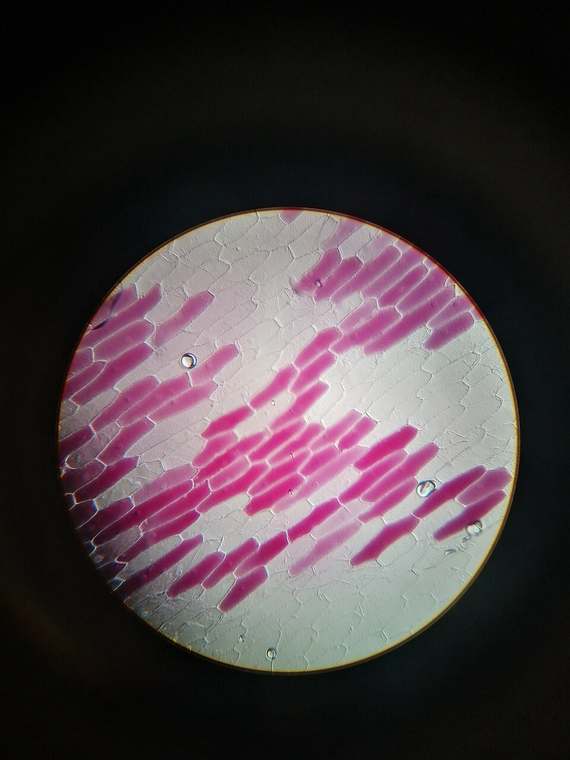
Polysaccharide glucose chains form rigid microfibrils that support plant architecture Cellulose is an organic polysaccharide composed of thousands of glucose units linked in linear beta-1,4-glycosidic chains. These unbranched chains bundle together into rigid microfibrils embedded in a pectin matrix to form structural plant cell walls. Because animal digestive enzymes cannot easily break down cellulose, it acts as dietary fibre in human nutrition. It sits in Mondo's science collection, one of 200 facts that each trace back to the reference below.
Where this comes from
Facts that can change over time are reviewed and updated. If something here looks wrong, Mondo would rather know than be confidently incorrect.
Go further
More facts like this
 SciencePhotosynthesis turns light energy into chemical energyPlants convert carbon dioxide and water into glucose and oxygen using sunlightSciencePlants look green because chlorophyll reflects green lightPhotosynthetic pigments absorb red and blue light while reflecting green wavelengthsScienceAnthocyanins turn autumn leaves redAs chlorophyll fades, red and purple pigments in the leaf become visibleScienceMendel's peas revealed how traits inheritCrosses produced a consistent three to one ratio in the second generationScienceExtremophile archaea thrive in boiling acid and deep hydrothermal ventsSpecialized cell membranes and stable enzymes allow archaea to inhabit hostile environments
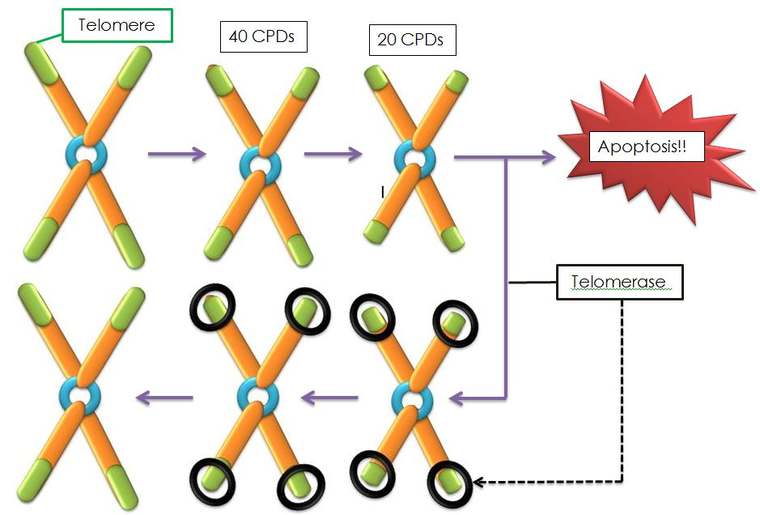 ScienceTelomeres cap chromosome ends and shorten as cells divideRepetitive nucleotide sequences protect genetic data during cell replication cycles
← → to keep reading, or swipe
Tags: biology, cellulose, plants
Cellulose gives plant cell walls structural strength: the short answers
- Where does this come from, and can I check it?
- Polysaccharide glucose chains form rigid microfibrils that support plant architecture. The figure is taken from Smithsonian, which is linked in full on this page. Every fact on Mondo Knows names its source rather than repeating an unsourced claim.
- Is this really a science fact?
- Yes. It sits on the Science shelf, one of 2,600 sourced facts grouped into space, animals, the human body, history, science and more. Category pages collect every fact in the same field.
- What else can I read about it?
- The links under the fact point to a quiz, game, puzzle or calculator on the same subject, and the shelf below shows related facts. The wording here is original, and quoted phrases are marked as quotations.