Mondo Knows Facts
200 Music Facts, Each One Checked and Sourced
Instruments, composers, recordings and the stories behind the songs. There are 200 music facts on this shelf, each one short enough to read in a few seconds, each with a named source you can check yourself, and each linking onward to a quiz, game or calculator on the same theme.
Showing the first 24 of 200. Search or pick a shelf to load the rest.
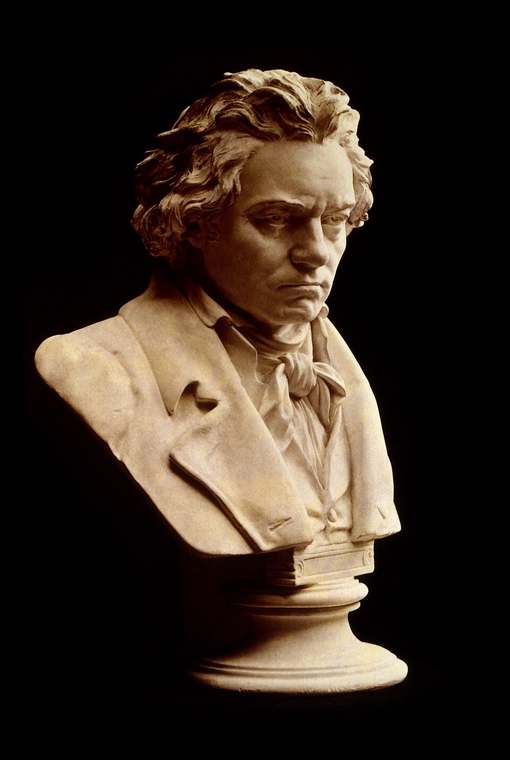 MusicBeethoven composed his Ninth Symphony while almost totally deafIt premiered in Vienna in 1824
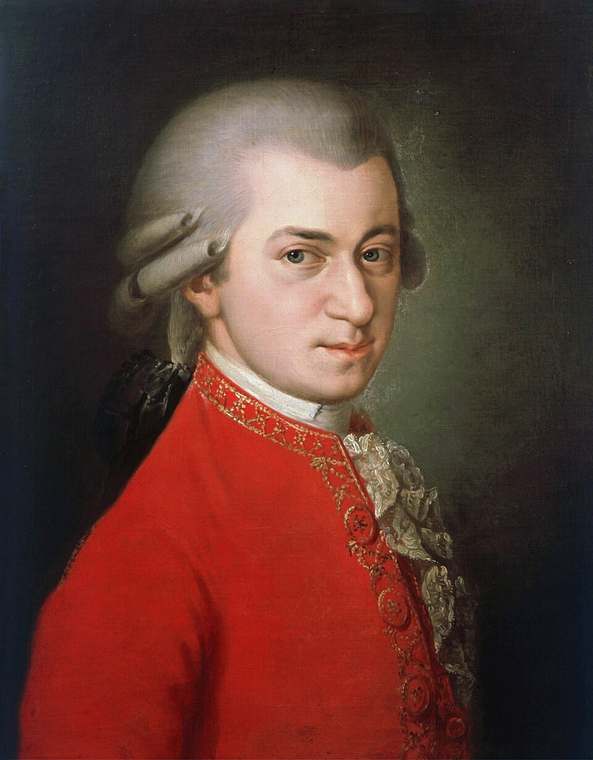 MusicMozart was composing at the age of fiveHis father showed him off across the courts of Europe
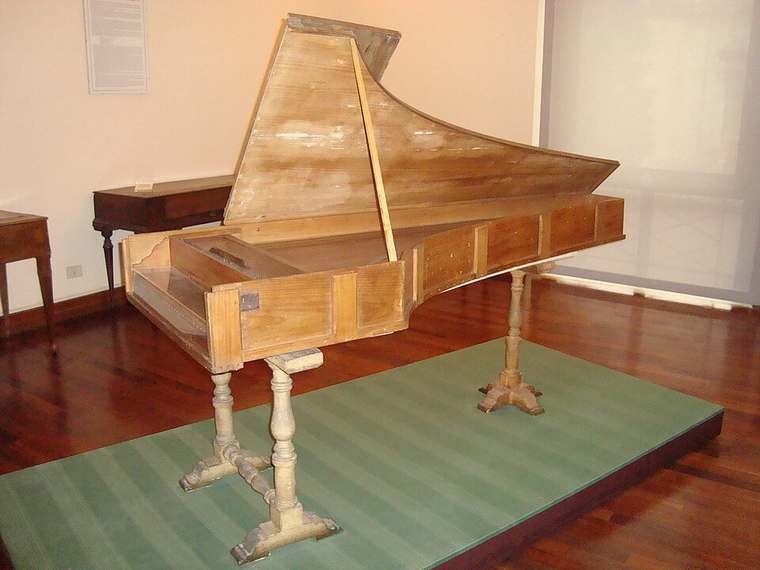 MusicThe piano was invented in Florence around 1700Bartolomeo Cristofori built the first one for the Medici court
 MusicOrchestras tune to A at 440 hertz by international agreementThe standard was agreed in London in 1939
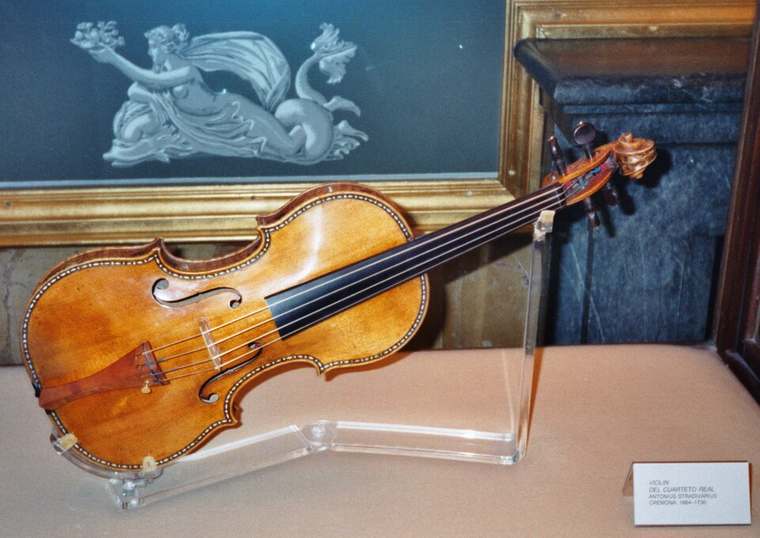 MusicHundreds of Stradivari instruments still surviveAntonio Stradivari made well over 1,000 instruments in Cremona
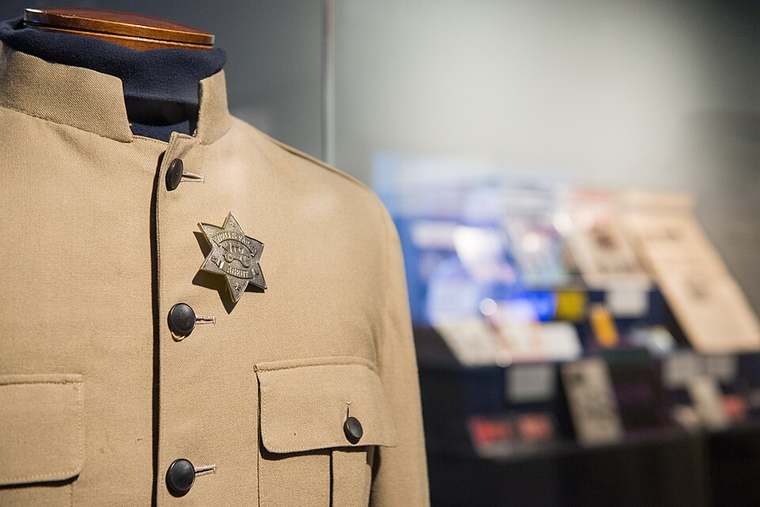 MusicThe Beatles recorded their first album in one dayPlease Please Me was done at Abbey Road on 11 February 1963
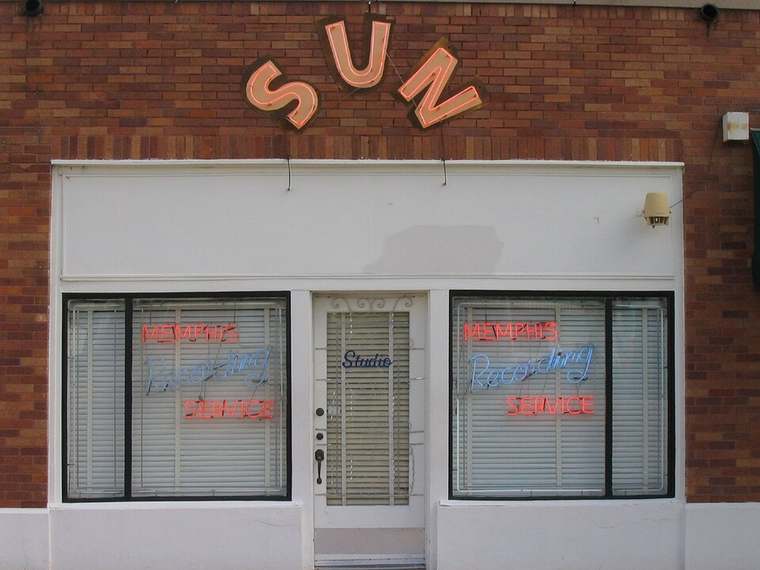 MusicElvis made his first commercial recording at Sun StudioThat's All Right was cut in Memphis in July 1954
 MusicThriller is generally listed as the best-selling album of all timeEstimates put sales at around 70 million copies
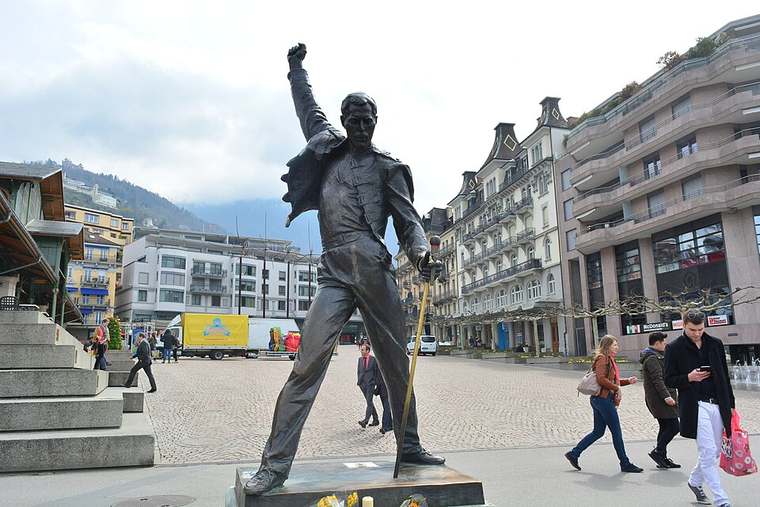 MusicBohemian Rhapsody ran almost six minutes but became a hitThe label feared it was too long for radio
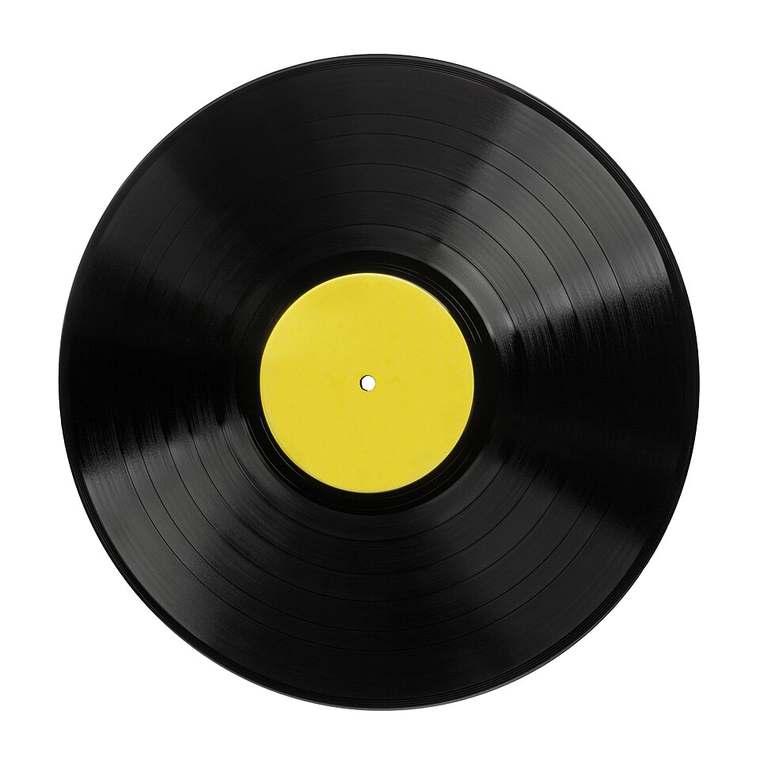 MusicThe long-playing record arrived in 1948Columbia introduced the 33⅓ rpm LP in June 1948
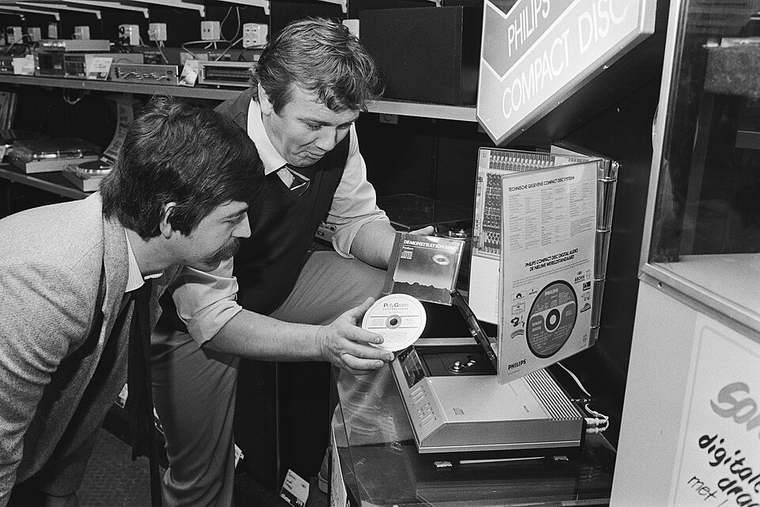 MusicThe compact disc launched in 1982Billy Joel's 52nd Street was one of the first albums released
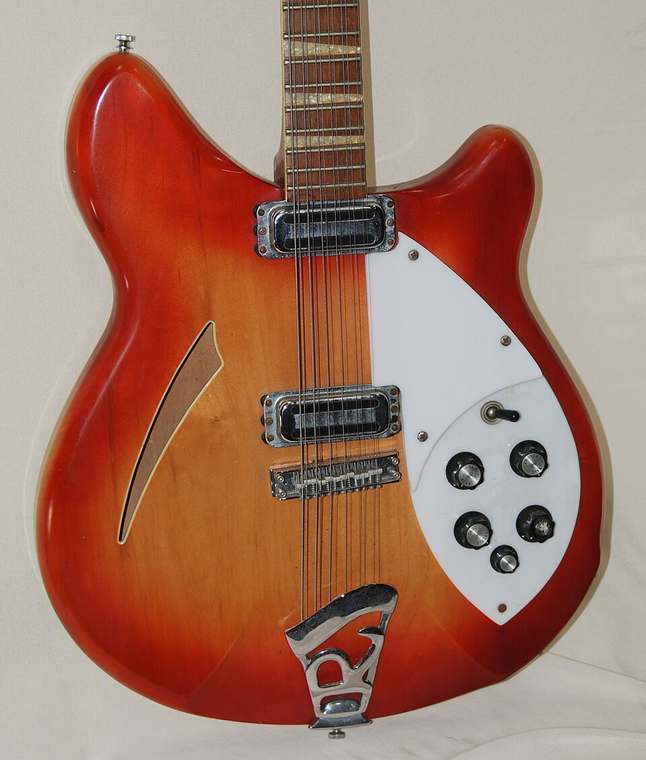 MusicOne of the first electric guitars was nicknamed the Frying PanRickenbacker began selling it in 1932
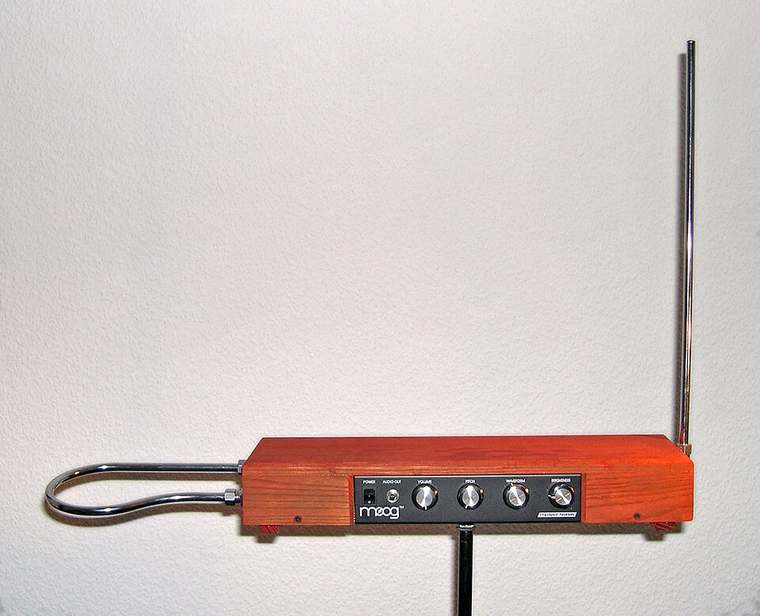 MusicThe theremin is played without being touchedLeon Theremin invented it in Russia in 1920
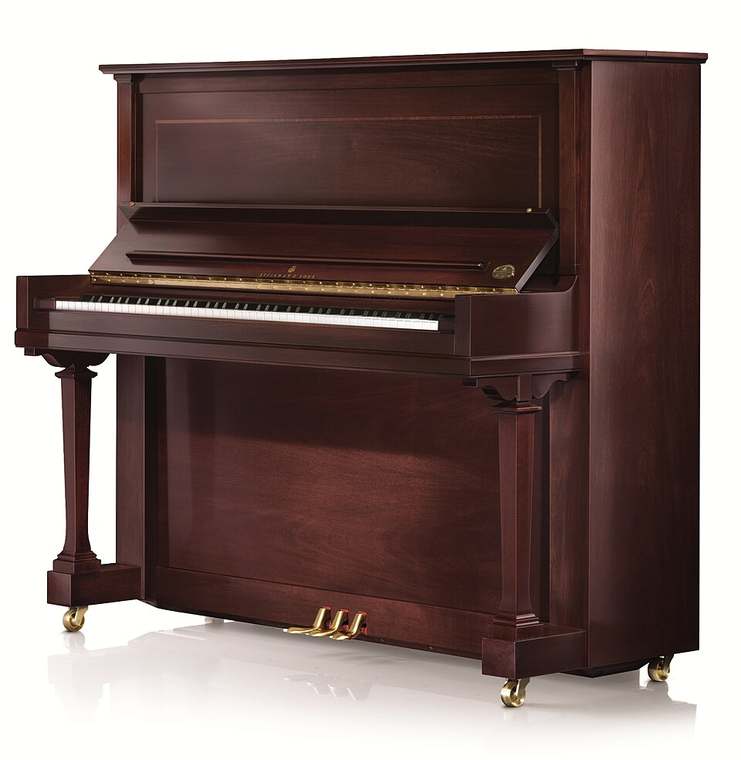 MusicA piano has about 230 stringsIts 88 keys span just over seven octaves
 MusicJohann Sebastian Bach had twenty childrenTen of them survived to adulthood, and several became composers
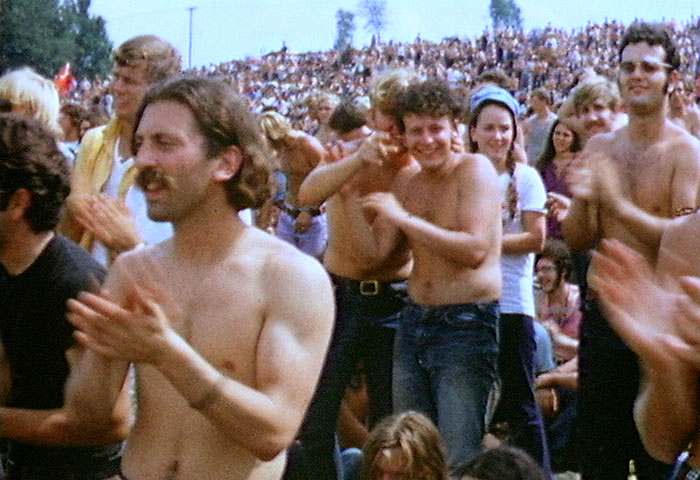 MusicWoodstock drew around 400,000 peopleThe 1969 festival ran for four days on a dairy farm in New York
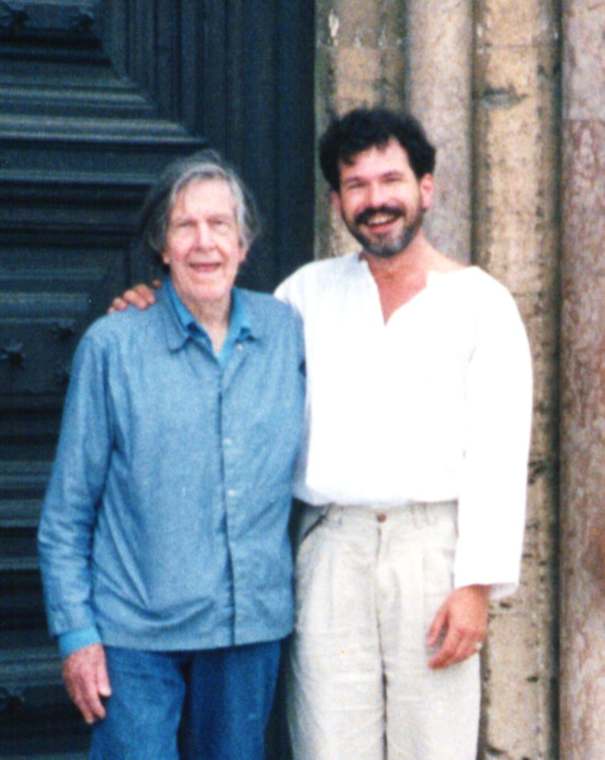 MusicJohn Cage wrote a piece made of silence4'33" was first performed in Woodstock, New York, in 1952
 MusicHip-hop's birthday is traced to a party in the BronxDJ Kool Herc played at 1520 Sedgwick Avenue on 11 August 1973MusicMTV's first video was Video Killed the Radio StarThe channel went on air on 1 August 1981
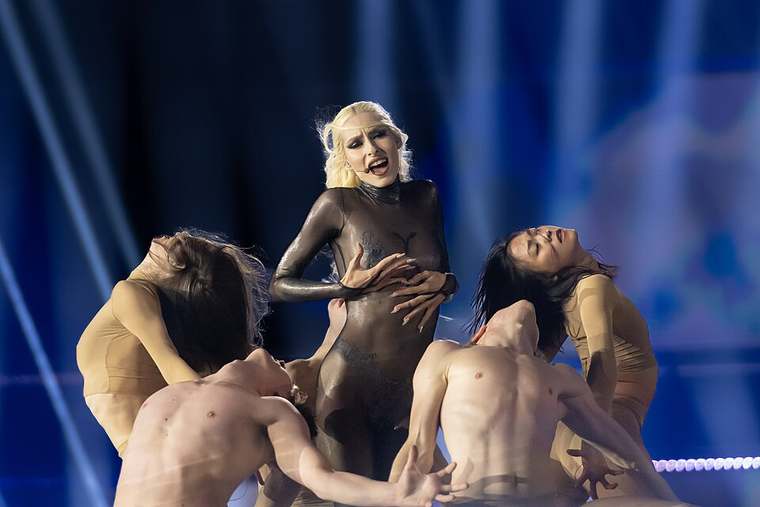 MusicThe first Eurovision Song Contest had seven countriesIt was held in Lugano, Switzerland, in 1956
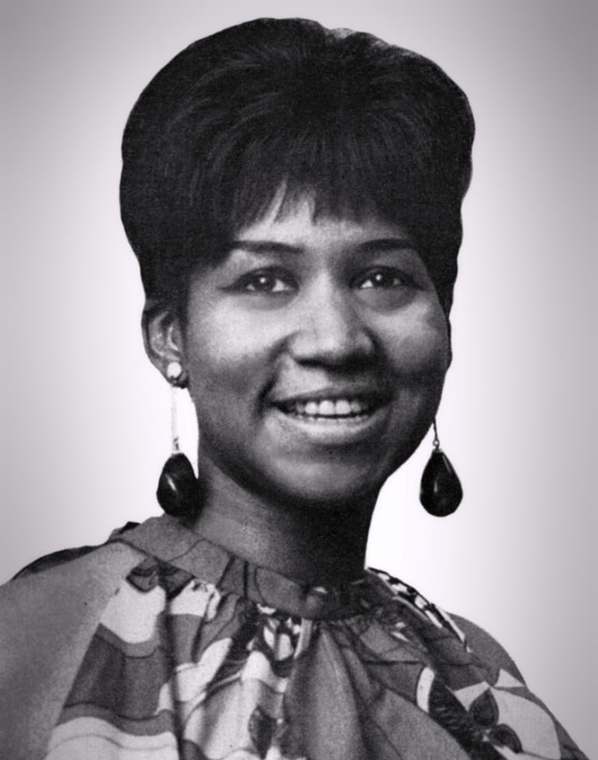 MusicAretha Franklin was the first woman in the Rock HallShe was inducted into the Rock & Roll Hall of Fame in 1987
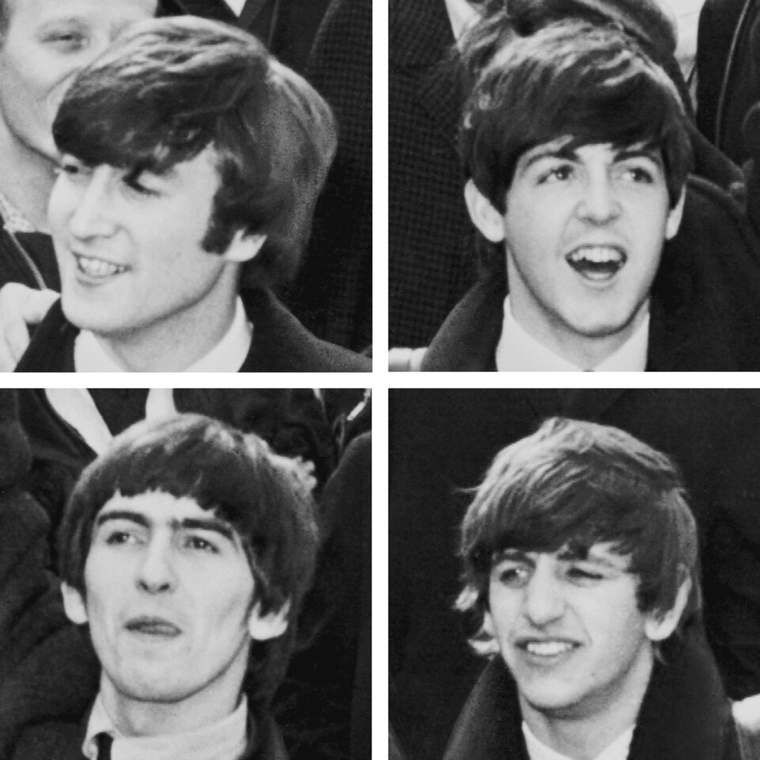 MusicThe Beatles have had 20 number ones on the US Hot 100No other act has more
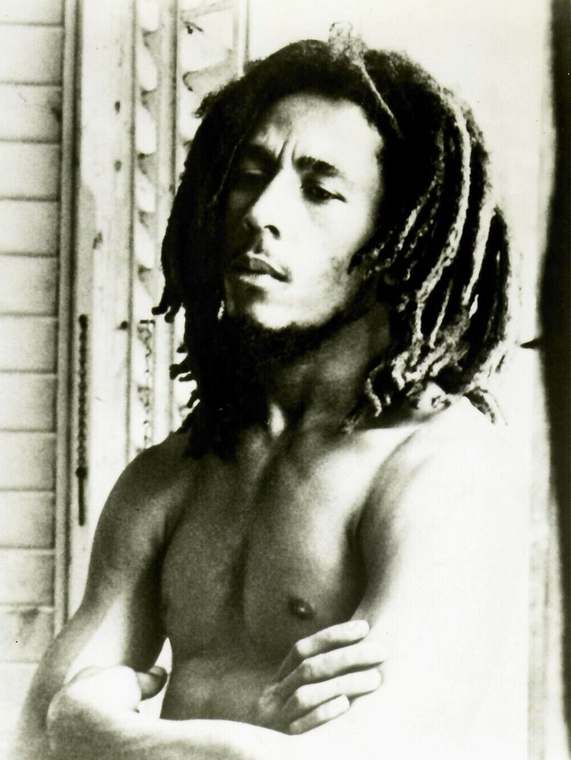 MusicReggae is on UNESCO's heritage listIt was added in 2018 as an intangible cultural heritage of humanityMusicMāori have their own family of traditional instrumentsTaonga pūoro include flutes, trumpets and bone whistles
All 200 Music facts
- Beethoven composed his Ninth Symphony while almost totally deaf
- Mozart was composing at the age of five
- The piano was invented in Florence around 1700
- Orchestras tune to A at 440 hertz by international agreement
- Hundreds of Stradivari instruments still survive
- The Beatles recorded their first album in one day
- Elvis made his first commercial recording at Sun Studio
- Thriller is generally listed as the best-selling album of all time
- Bohemian Rhapsody ran almost six minutes but became a hit
- The long-playing record arrived in 1948
- The compact disc launched in 1982
- One of the first electric guitars was nicknamed the Frying Pan
- The theremin is played without being touched
- A piano has about 230 strings
- Johann Sebastian Bach had twenty children
- Woodstock drew around 400,000 people
- John Cage wrote a piece made of silence
- Hip-hop's birthday is traced to a party in the Bronx
- MTV's first video was Video Killed the Radio Star
- The first Eurovision Song Contest had seven countries
- Aretha Franklin was the first woman in the Rock Hall
- The Beatles have had 20 number ones on the US Hot 100
- Reggae is on UNESCO's heritage list
- Māori have their own family of traditional instruments
- Do-re-mi traces back to an 11th-century monk
- Jimi Hendrix played the US anthem at Woodstock
- Vivaldi's Four Seasons was paired with poems
- Chopin's heart is in Warsaw
- Spotify launched in 2008
- Lorde had a US number one at 16
- Orchestras tune to A at 440 hertz
- Equal temperament divides the octave into twelve equal steps
- Twelve pure fifths overshoot seven octaves
- A grand piano carries around 20 tonnes of string tension
- A piano hammer strikes and drops away instantly
- A violin's four strings are tuned in fifths
- A bow makes sound by sticking and slipping
- A guitar is tuned mostly in fourths
- In a brass instrument the lips make the sound
- A clarinet jumps a twelfth when it overblows
- An oboe makes sound with two cane reeds
- A flute has no reed at all
- A trombone changes pitch by sliding a tube
- Trumpet valves add short lengths of tubing
- Timpani are tuned by tightening their heads
- Snare wires add buzz to the drum sound
- Vowels are shaped by resonances, not by the vocal cords
- An orchestra is arranged by loudness
- Orchestras tripled in size in a century
- The conductor with a baton is a nineteenth century invention
- The metronome was patented in 1815
- The five line staff is a medieval invention
- The circle of fifths orders every key
- Some instruments sound at a different pitch from the notes written
- Timbre is the recipe of harmonics
- Musicians tune by listening for beats
- Warm air makes instruments play sharp
- Concert halls aim for about two seconds of reverberation
- A brass mute changes the sound, not just the volume
- A string quartet is two violins, a viola and a cello
- The classical symphony settled on four movements
- Sonata form sets two ideas against each other
- A harp changes key with seven pedals
- A harpsichord plucks strings instead of striking them
- An organ pipe sounds only its own built pitch
- A bagpipe keeps playing with a bag of air
- Harmonicas and accordions share a free reed
- The saxophone was patented in 1846
- Instruments are classified by how they vibrate
- A modern piano has 88 keys
- Voice types are defined by comfortable range and colour
- Perfect pitch is rare in adults
- A single note already contains a whole chord
- Open and closed pipes behave differently
- Halving a string raises it an octave
- Loudness is measured on a logarithmic scale
- Humans hear roughly 20 hertz to 20 kilohertz
- A recorder is a whistle with finger holes
- Some composers write in quarter tones
- A minor key lowers the third
- Simple frequency ratios sound calm
- Vibrato wavers about six times a second
- Sand on a plate draws patterns at certain frequencies
- Plainchant is built from a set of modes
- Baroque music ran on a bass line and chords
- Edison's phonograph recorded sound onto tinfoil
- Wax cylinders lost the first format war
- Berliner's gramophone played flat shellac discs
- Microphones replaced recording horns in 1925
- The first practical tape recorder was German
- Bing Crosby paid for America's first tape recorders
- Les Paul helped Ampex build an eight-track recorder
- The stereo LP arrived in shops in 1958
- Quadraphonic sound collapsed after a format war
- Philips launched the compact cassette in 1963
- Dolby B made cassette hiss bearable
- The Walkman put music in people's pockets
- Dire Straits made one of the first all-digital albums
- MP3 shrank music by throwing detail away
- Pro Tools moved editing from tape to screens
- Alan Blumlein patented stereo recording in 1931
- Early Beatles stereo mixes were made without the band
- Folding stereo down to mono can erase parts
- Dolby Digital brought 5.1 surround to cinemas
- The Fairlight CMI was the first digital sampler
- The E-mu Emulator brought sampling into reach
- The Akai MPC60 combined pads, sampler and sequencer
- The Amen break became the most sampled loop
- Clyde Stubblefield's Funky Drummer beat is everywhere
- A 1991 court ruling changed sampling overnight
- MIDI 1.0 let rival synthesizers finally talk
- MIDI 2.0 arrived more than 35 years later
- Moog's modular synthesizer used voltage as control
- The Minimoog made synthesizers portable enough for bands
- The Roland TR-808 built its drums from oscillators
- Streaming services turn loud masters down
- The loudness war flattened CD masters for two decades
- Vinyl cutters fold deep bass into mono
- The RIAA curve evened out record playback
- RCA's seven-inch single spun at 45 rpm
- Peaks between samples can exceed digital zero
- Every analogue tape copy loses quality
- US copyright lasts 70 years after a songwriter dies
- America sets a fixed mechanical royalty per song
- A cover version needs only a statutory licence
- Tin Pan Alley sold songs as sheet music
- ASCAP was founded in 1914 to collect performance fees
- Broadcasters founded BMI in 1940 as a rival
- Putting a song in a film needs two licences
- SoundExchange pays royalties for digital radio plays
- A stream pays a fraction of a cent
- The Hot 100 blends sales, airplay and streams
- Barcode scanners replaced phone reports in 1991
- Gold and platinum awards count units sold
- Line arrays keep big crowds at even volume
- Feedback is a loop that feeds itself
- The Shure SM58 became the standard stage microphone
- The Neumann U47 set the sound of the studio
- In-ear monitors replaced a wall of wedges
- Delay towers carry sound to the far field
- Cardioid subwoofer arrays push bass forward
- A vinyl side trades loudness for playing time
- European broadcasters agreed a loudness target in 2011
- Album charts now count streams as fractional sales
- The first recording was played back on tinfoil
- Flat discs beat cylinders
- Early records turned at about 78 revolutions a minute
- The long playing record arrived in 1948
- Tape made editing possible
- Les Paul built one of the first multitrack machines
- Dolby put hiss reduction in the home
- The cassette was meant for dictation
- The Walkman moved music into the street
- The compact disc reached shops in 1982
- CD audio samples 44,100 times a second
- You must sample at least twice as fast as the highest note
- MP3 throws away sound you would not notice
- The iTunes Store sold single tracks, not just albums
- Streaming turned the collection into a subscription
- Records got measurably louder and flatter
- Each extra bit adds about six decibels of range
- Stereo was patented in 1931
- Surround sound adds channels behind the listener
- Microphones are chosen for two different jobs
- One valve microphone defined the studio sound
- The same stage microphone has been standard since 1966
- Spring reverb came out of an organ factory
- Voltage control made synthesisers playable
- The DX7 put digital synthesis in every studio
- MIDI let machines talk to each other in 1983
- One drum machine shaped a genre
- A vocoder uses a voice to shape another sound
- Auto-Tune was meant to hide mistakes
- A turntable became an instrument
- Records outsold compact discs again
- One side of an LP holds hundreds of metres of groove
- Eight track cartridges rolled the tape in one loop
- The Hot 100 chart started in 1958
- One song pays out through several separate streams
- Composers organised a collecting society in 1914
- American copyright now runs for life plus seventy years
- Sampling had to be licensed after a 1991 ruling
- Music television began with one video
- The blues runs on twelve bars
- Hip hop started at a Bronx block party
- House music took its name from a Chicago club
- Reggae puts the emphasis between the beats
- Nashville built a recording system around session players
- One band played on most of a label's hits
- A handful of players ran Los Angeles pop
- Most records are built in layers
- Mastering for vinyl cuts a physical groove
- Tape speed wobbles have two names
- A live show needs two separate sound systems
- The moving coil loudspeaker arrived in 1925
- The first practical hi-fi headphones appeared in 1937
- Commercial broadcasting began in 1920
- Paying for airplay has a name and a scandal
- Digital workstations replaced the tape room
- A suitcase recorder saved thousands of songs
Test what you know
Turn these facts into a quiz: Music trivia questions, with an explanation after every answer.
More fact shelves
Questions people ask
- How many music facts are there?
- 200, each with a named source and a link to it. Instruments, composers, recordings and the stories behind the songs.
- Where do these facts come from?
- Mostly primary sources: NASA, the ESA, museums, universities and peer-reviewed papers. A fact is only published here once a source can be linked, and the wording is written fresh rather than copied.
- Can I read them in one sitting?
- The page lists the newest first and the search box narrows by word. Every fact links onward to a quiz, game or calculator on the same subject, so it works as a browse or as a jumping-off point.