Mondo Knows Facts
200 Animal Facts, Each One Checked and Sourced
Wildlife, sea life, insects and the odd things they do. There are 200 animals facts on this shelf, each one short enough to read in a few seconds, each with a named source you can check yourself, and each linking onward to a quiz, game or calculator on the same theme.
Showing the first 24 of 200. Search or pick a shelf to load the rest.
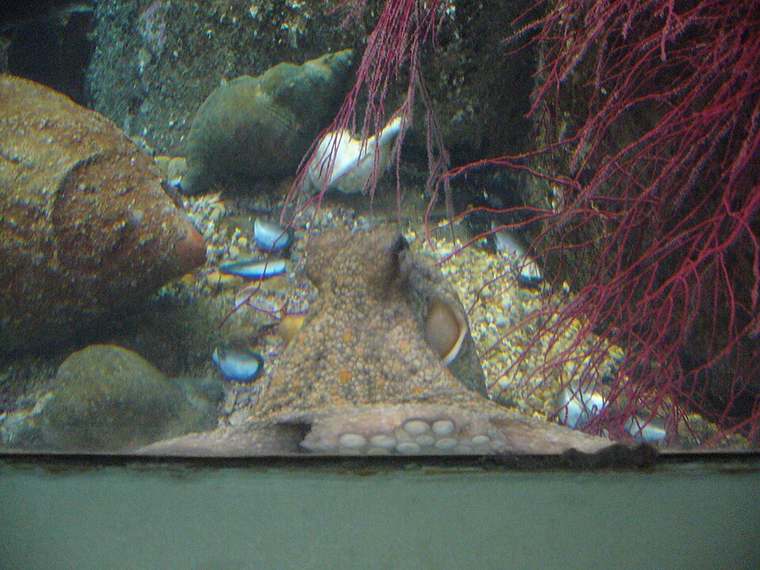 AnimalsAn octopus has three heartsTwo pump blood to the gills and one pumps it around the body.
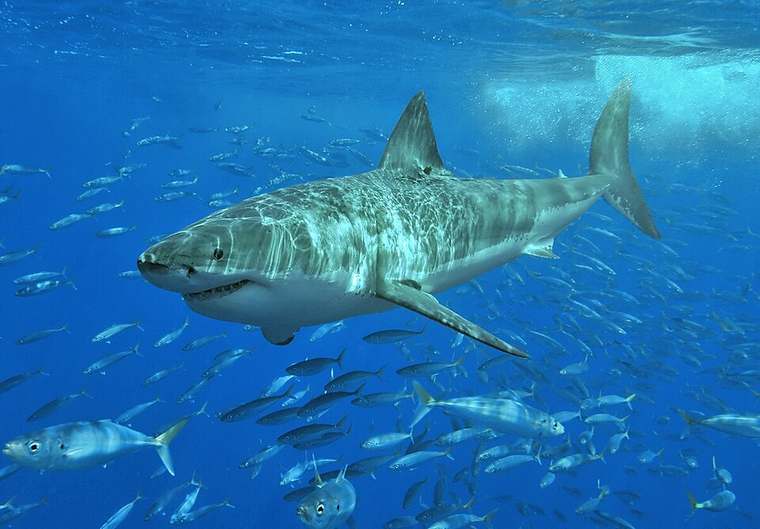 AnimalsSharks are older than treesSharks have been around for roughly 450 million years, well before the first trees.
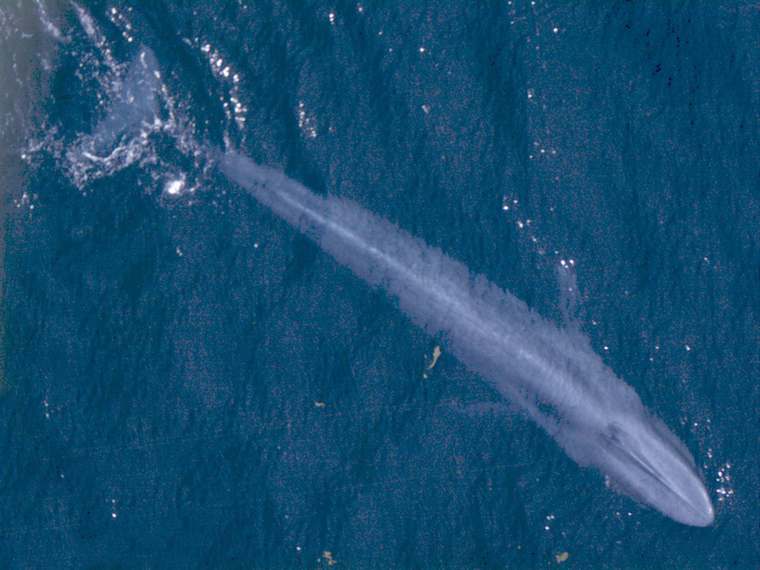 AnimalsA blue whale tongue weighs as much as an elephantThe tongue of an adult blue whale can weigh around 2.7 tonnes.
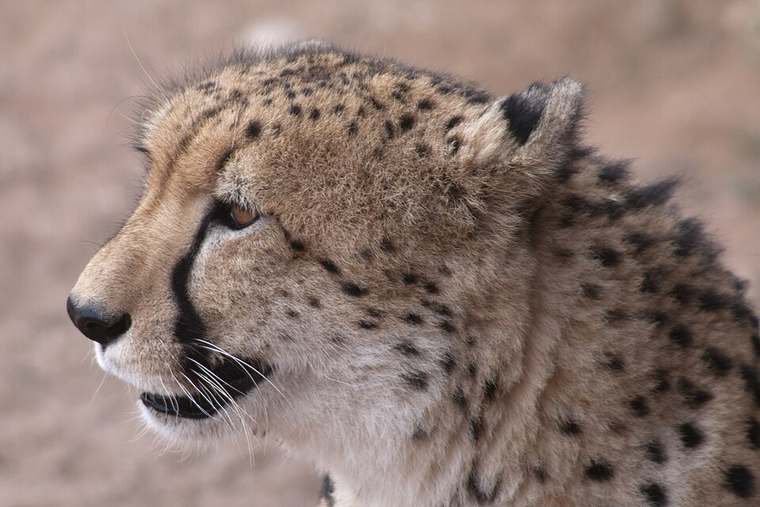 AnimalsA cheetah can accelerate faster than many sports carsA cheetah can reach 60 miles per hour from rest in about three seconds.
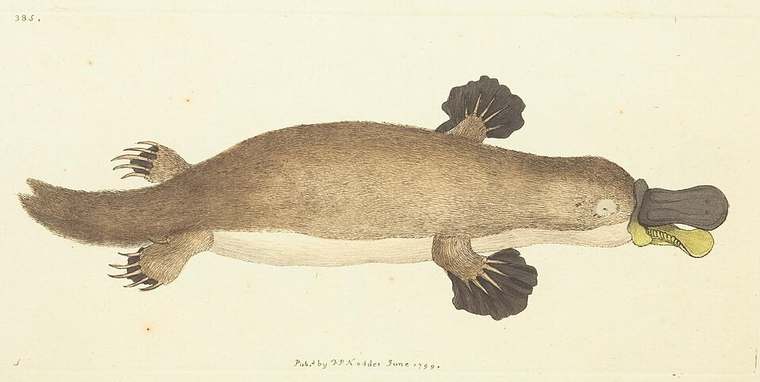 AnimalsA platypus uses electricity to hunt under waterThe platypus senses electrical signals generated by prey using its bill.
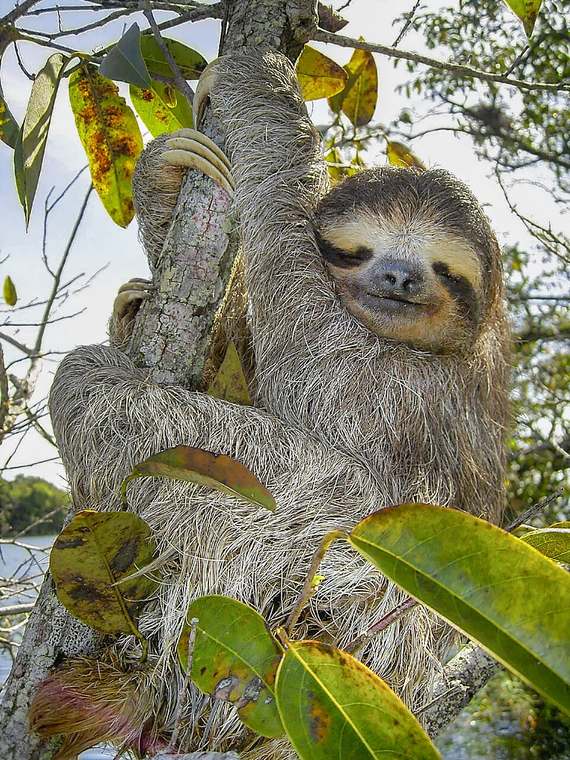 AnimalsA sloth fur hosts a whole ecosystem of algae and insectsGreen algae growing in sloth fur provides camouflage and extra nutrients.
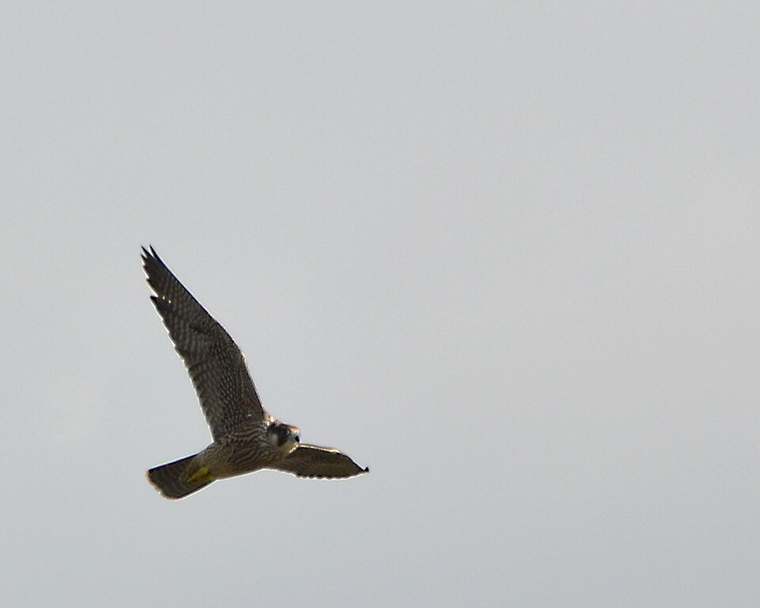 AnimalsThe peregrine falcon is the fastest creature on EarthIn its high-speed hunting stoop, the falcon can exceed 300 kilometres per hour.
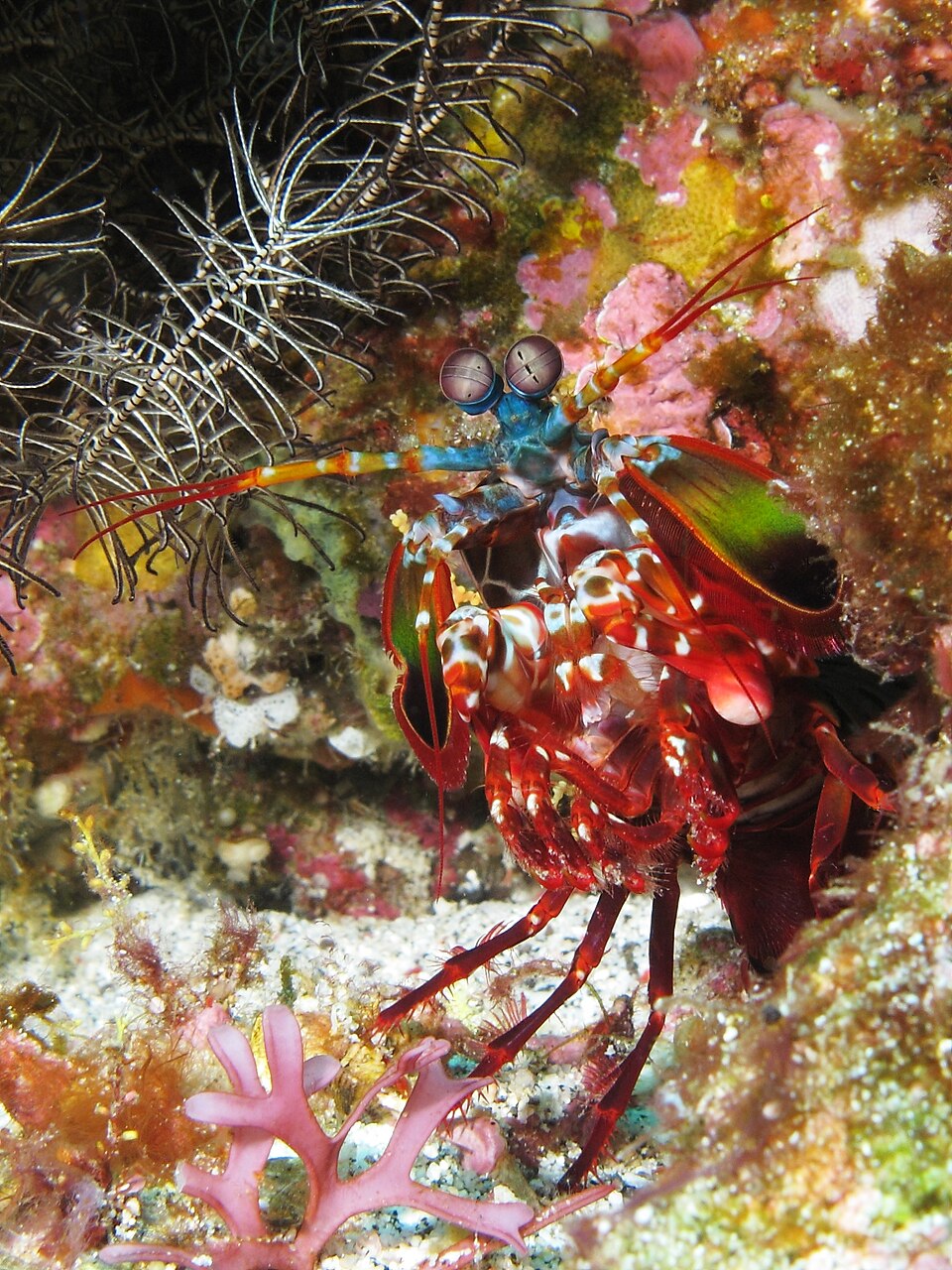 AnimalsA mantis shrimp punches with the speed of a bulletIts club-like appendages strike prey so quickly that they boil surrounding water.
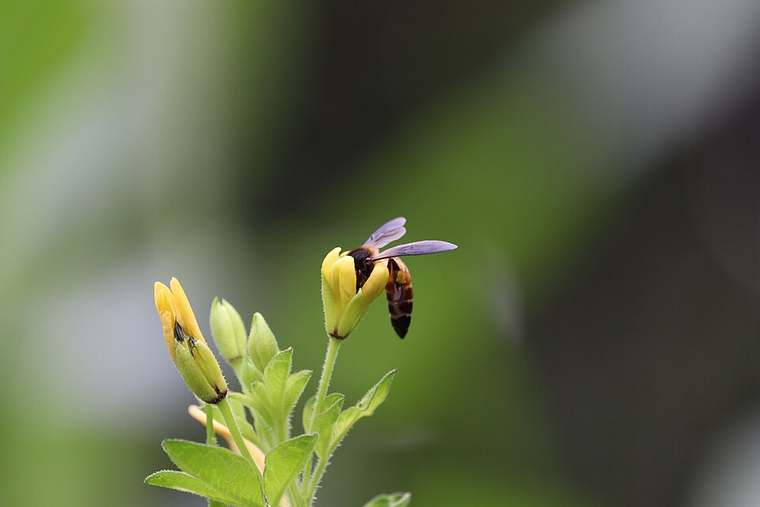 AnimalsHoneybees communicate flower locations through dancingA waggle dance informs hive mates of the direction and distance to nectar.
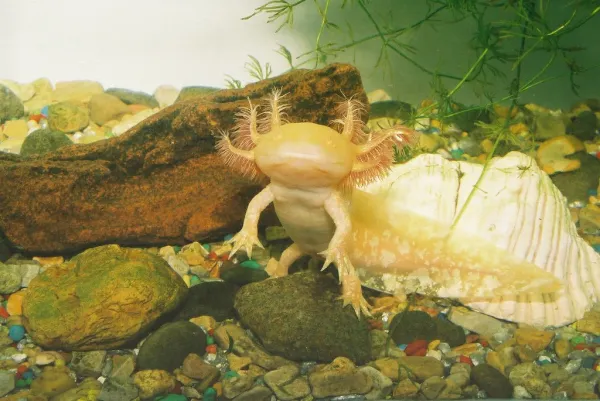 AnimalsAn axolotl can regenerate limbs, heart tissue, and brain partsThis Mexican salamander can regrow complex body parts without scarring.
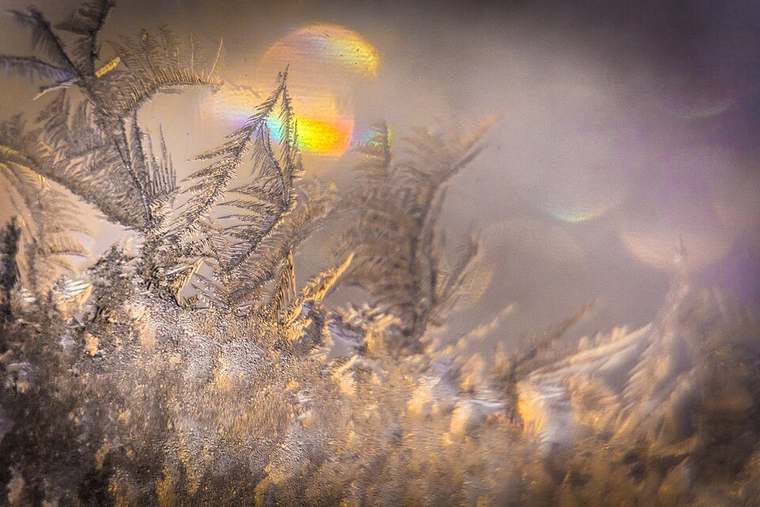 AnimalsWood frogs freeze solid during winter and revive in springUp to two thirds of a wood frog body water freezes during winter.
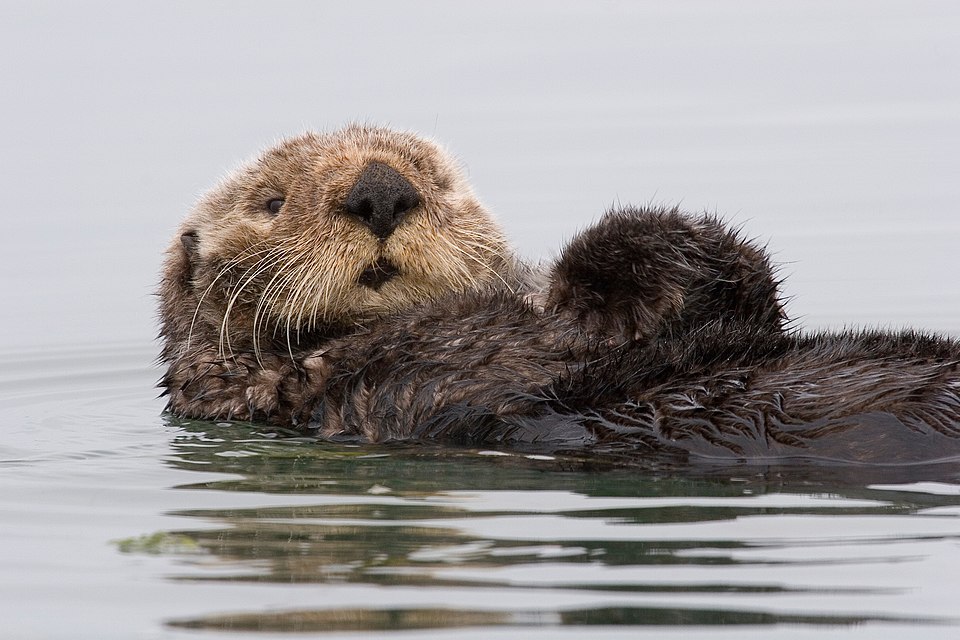 AnimalsSea otters carry rocks in loose skin pockets under their forelegsSea otters use favourite stones to crack open hard shellfish and clams.
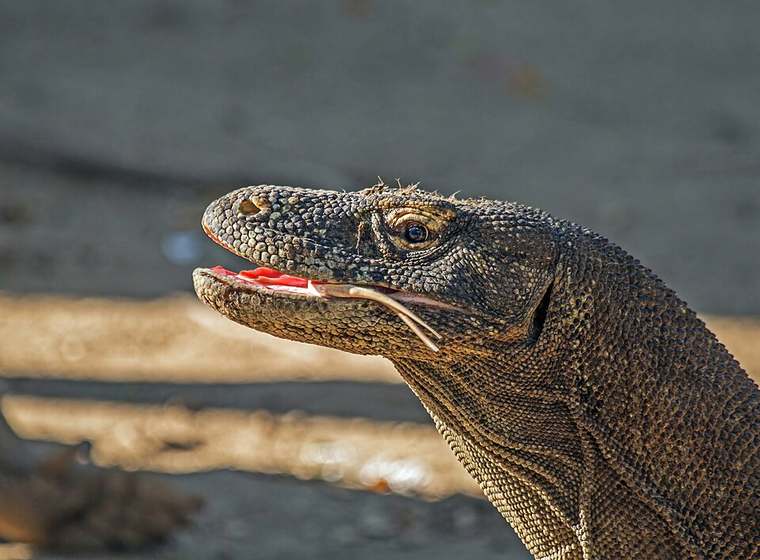 AnimalsKomodo dragons kill prey using potent venom glandsKomodo dragon bite delivers anticoagulants that prevent blood clotting.
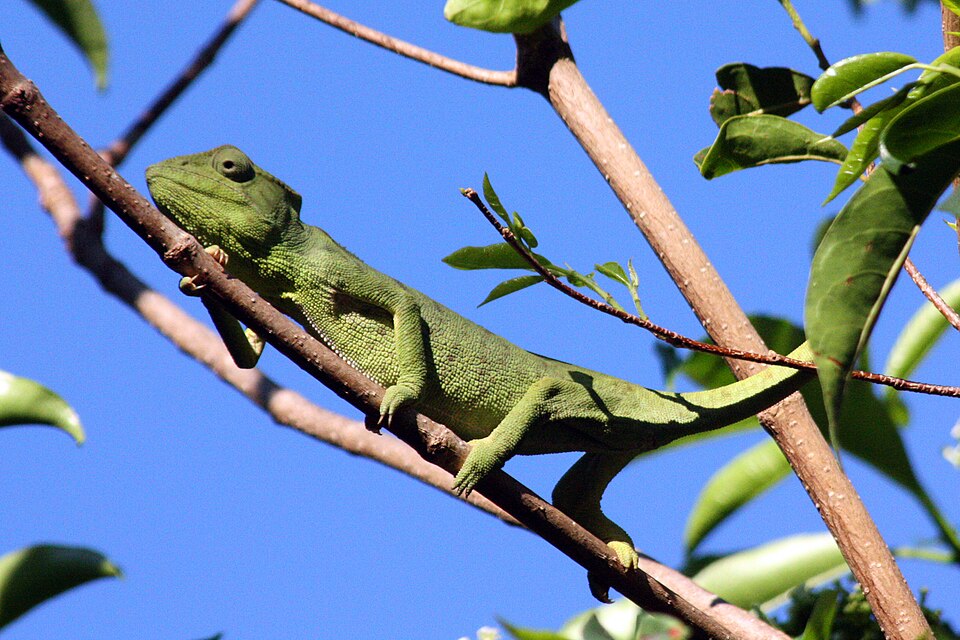 AnimalsChameleons can move their eyes independently of each otherA chameleon can observe two different targets simultaneously in 360 degrees.
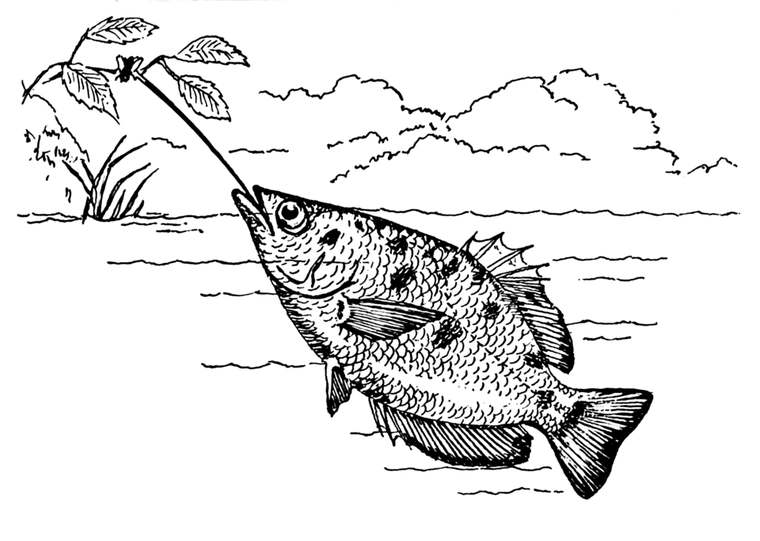 AnimalsArcherfish shoot down insects using precise water jetsAn archerfish squirts water from its mouth to knock prey into the water.
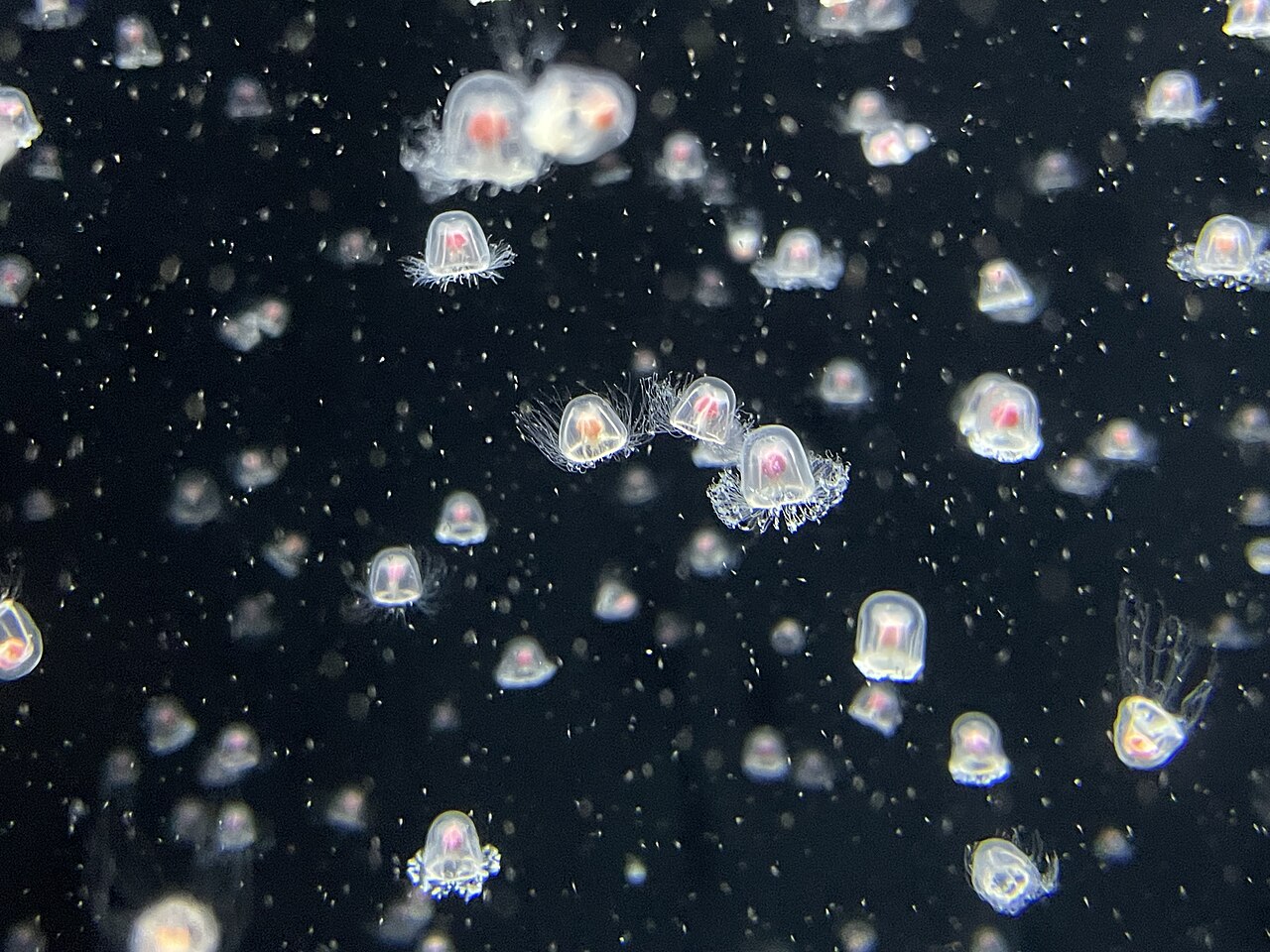 AnimalsThe immortal jellyfish can revert its life cycle to polyp formTurritopsis dohrnii can revert from an adult medusa back to a young polyp.
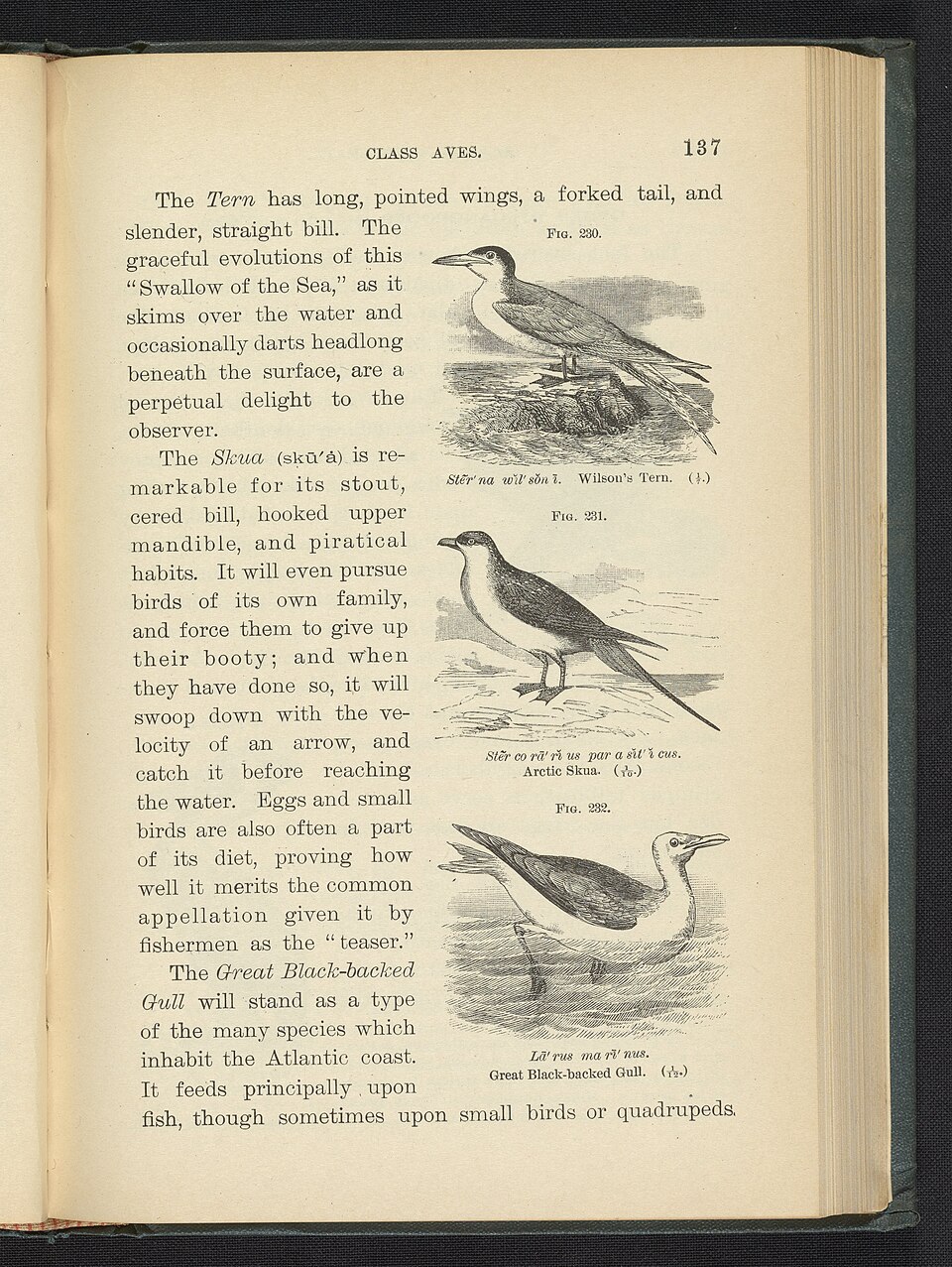 AnimalsArctic terns complete the longest migration of any animalArctic terns fly about 90,000 kilometres annually from pole to pole.
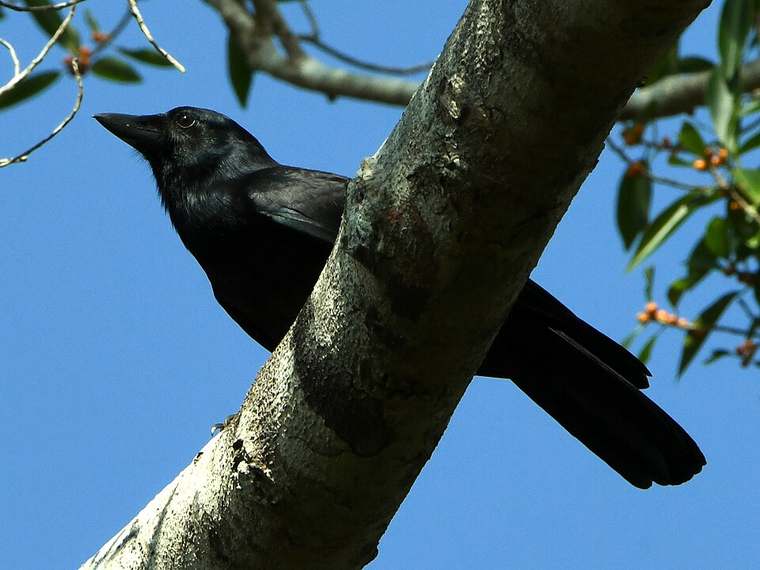 AnimalsNew Caledonian crows craft and use compound tools in the wildCrows fashion hooked twigs and barbed leaves to extract grubs from wood.
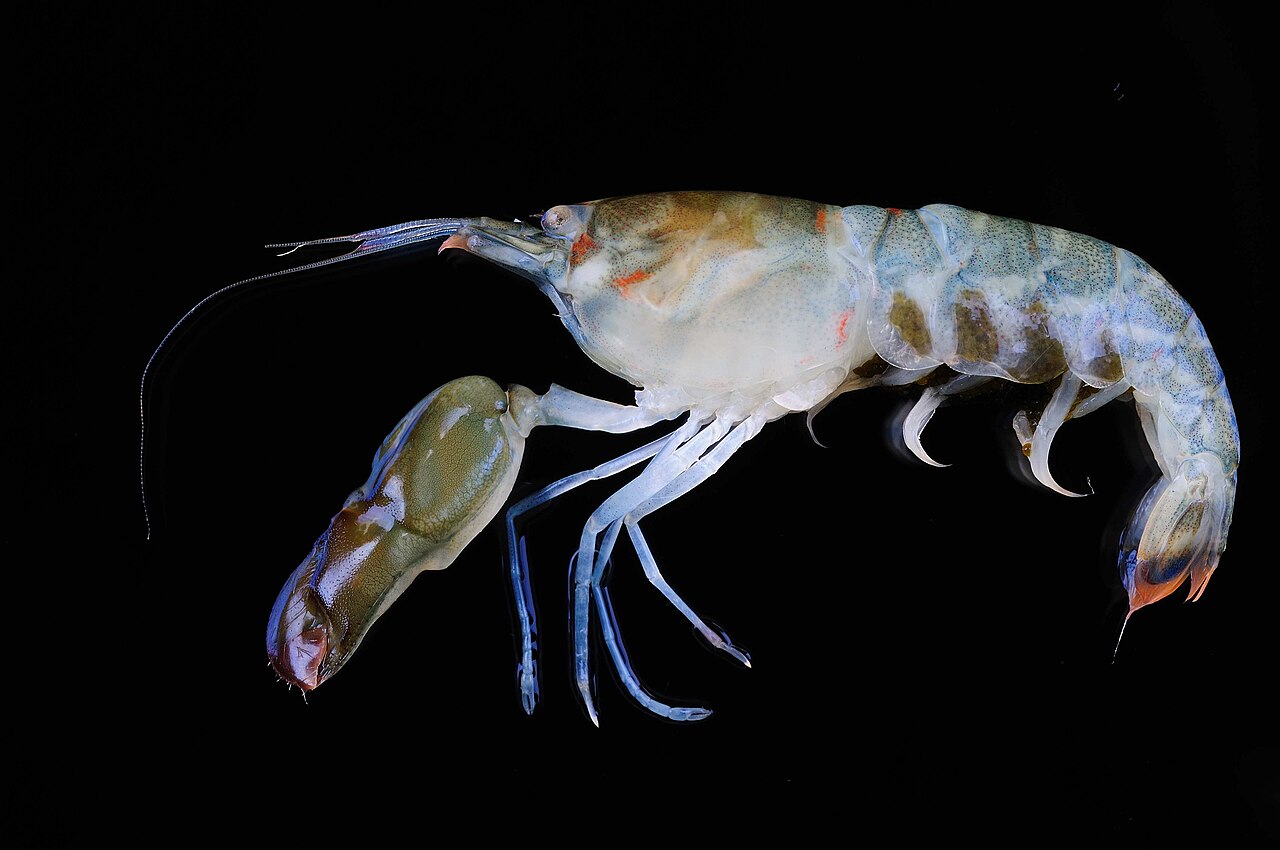 AnimalsA pistol shrimp claw snap creates temperatures near that of the SunThe collapsing bubble from a pistol shrimp snap reaches over 4,000 kelvin.
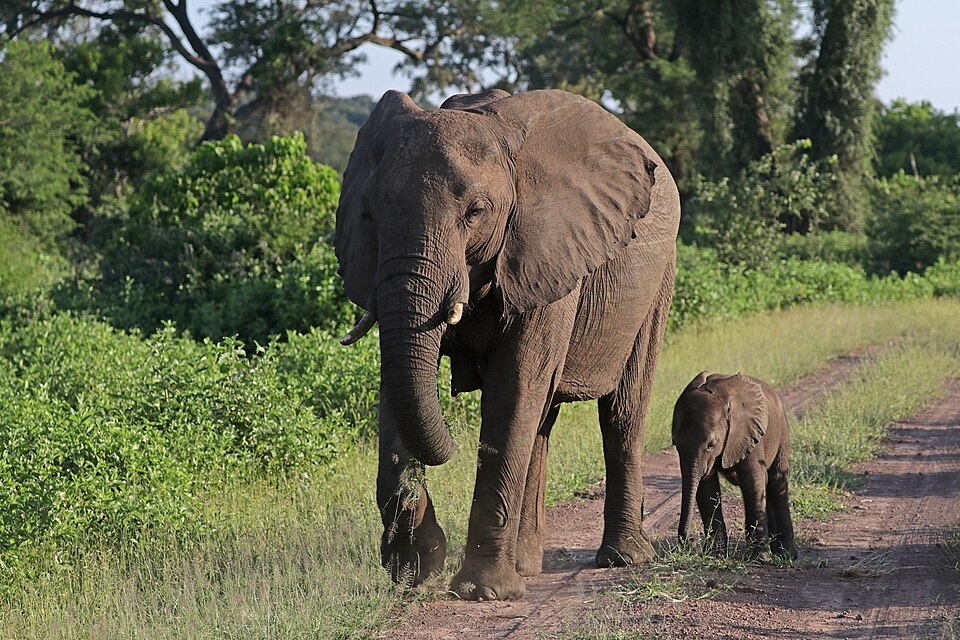 AnimalsElephants communicate over miles using low-frequency vibrationsElephants detect seismic infrasound waves through sensitive foot pads.
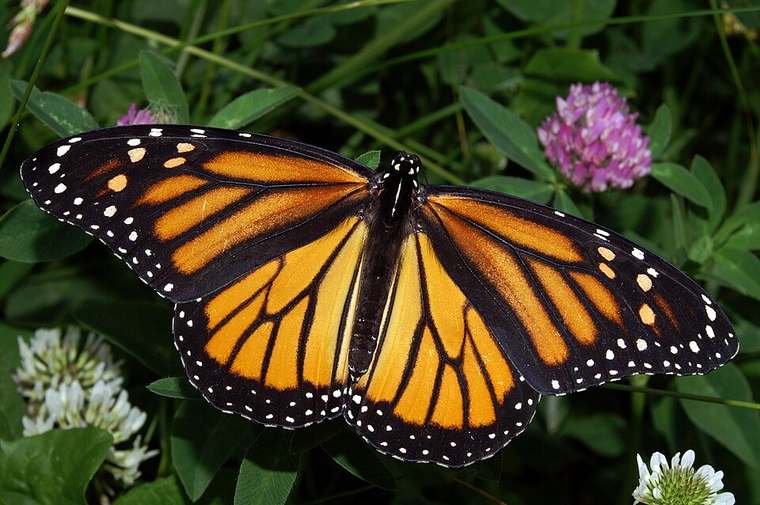 AnimalsMonarch butterfly migration spans four distinct generationsThe butterflies returning south in autumn have never been there before.
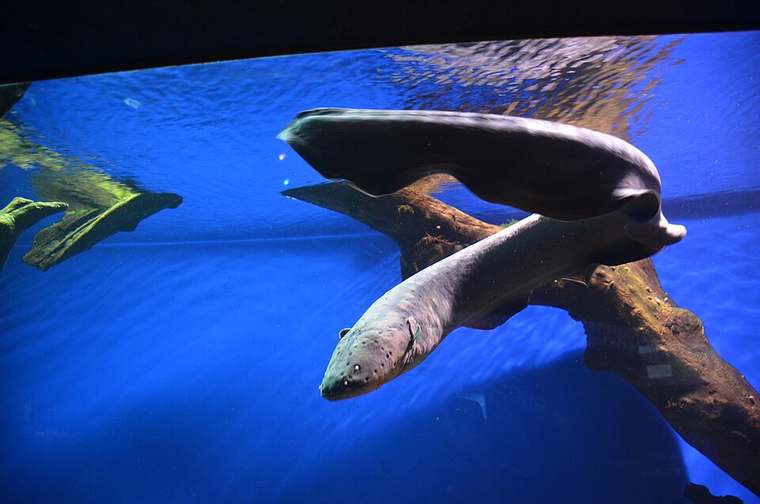 AnimalsAn electric eel can generate shocks exceeding 600 voltsThree specialized electric organs fill most of an electric eel body.
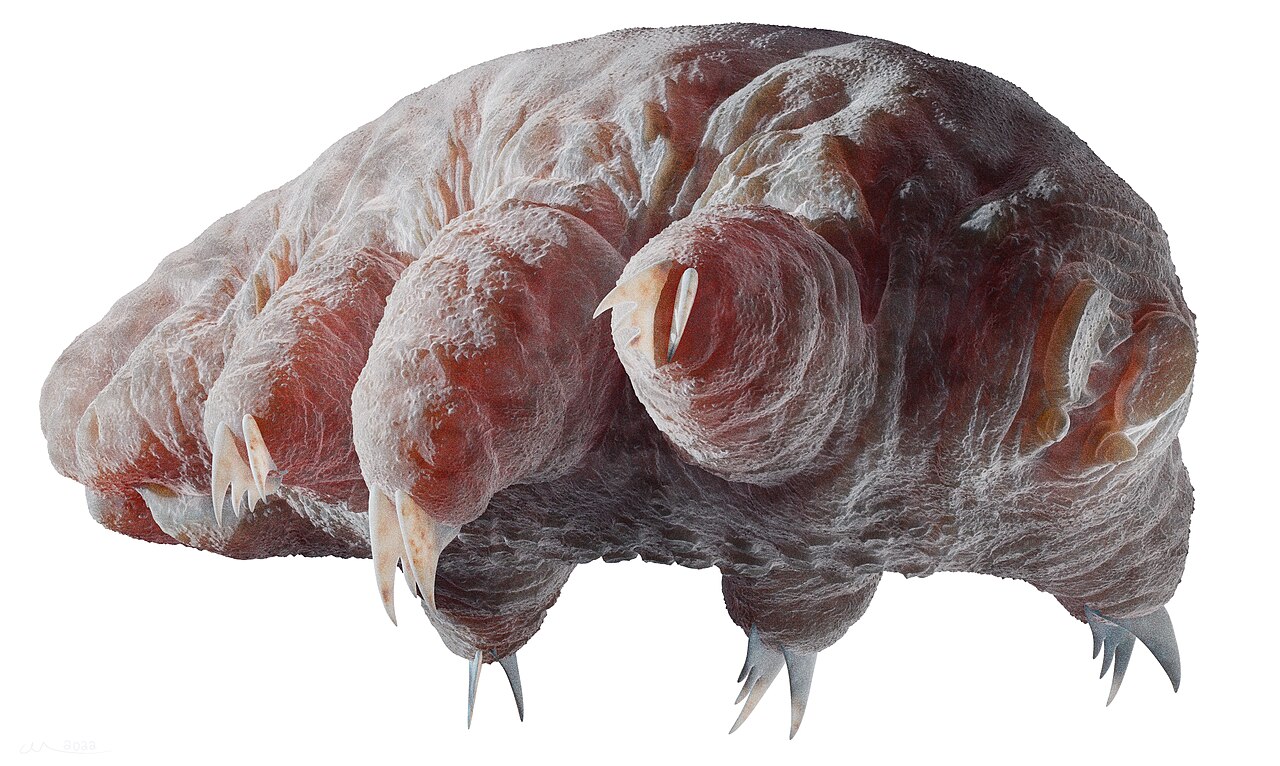 AnimalsTardigrades can survive outer space and extreme radiationTardigrades enter a dormant state called cryptobiosis when dried out.
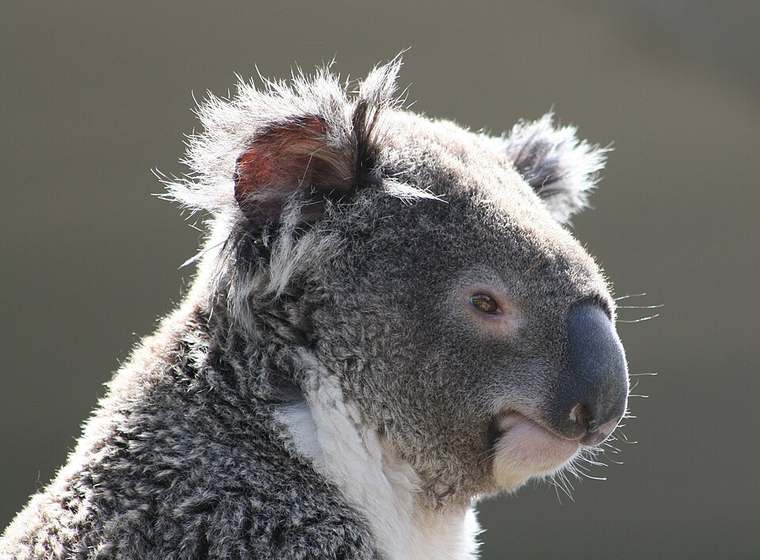 AnimalsKoala fingerprints are nearly identical to human fingerprintsEven under electron microscopes, koala print loops are hard to distinguish.
All 200 Animal facts
- An octopus has three hearts
- Sharks are older than trees
- A blue whale tongue weighs as much as an elephant
- A cheetah can accelerate faster than many sports cars
- A platypus uses electricity to hunt under water
- A sloth fur hosts a whole ecosystem of algae and insects
- The peregrine falcon is the fastest creature on Earth
- A mantis shrimp punches with the speed of a bullet
- Honeybees communicate flower locations through dancing
- An axolotl can regenerate limbs, heart tissue, and brain parts
- Wood frogs freeze solid during winter and revive in spring
- Sea otters carry rocks in loose skin pockets under their forelegs
- Komodo dragons kill prey using potent venom glands
- Chameleons can move their eyes independently of each other
- Archerfish shoot down insects using precise water jets
- The immortal jellyfish can revert its life cycle to polyp form
- Arctic terns complete the longest migration of any animal
- New Caledonian crows craft and use compound tools in the wild
- A pistol shrimp claw snap creates temperatures near that of the Sun
- Elephants communicate over miles using low-frequency vibrations
- Monarch butterfly migration spans four distinct generations
- An electric eel can generate shocks exceeding 600 volts
- Tardigrades can survive outer space and extreme radiation
- Koala fingerprints are nearly identical to human fingerprints
- Bats are the only mammals capable of true sustained flight
- The lyrebird can mimic chainsaws, car alarms, and camera shutters
- Sea turtles navigate oceans using Earth magnetic field
- Dung beetles navigate in straight lines using the Milky Way
- The narwhal tusk is actually an overgrown canine tooth
- Beaver front teeth are orange because they contain iron
- Hippos secrete a red oily liquid that acts as sunscreen
- A giraffe tongue is blue-black and up to 45 centimetres long
- Polar bears have black skin under translucent fur
- Naked mole-rats rarely get cancer and live over thirty years
- Nine-banded armadillos almost always give birth to identical quadruplets
- Echidnas lay soft-shelled eggs and produce milk without nipples
- Flamingos are born grey and turn pink from their food
- An ostrich eye is larger than its brain
- Owls fly silently due to comb-like serrations on their wing feathers
- Wandering albatrosses can fly thousands of miles without flapping
- Kiwis are the only birds with nostrils at the tip of their beak
- A woodpecker tongue wraps around its skull to protect its brain
- Common swifts can stay airborne for ten months continuously
- The blue-ringed octopus carries venom strong enough to kill humans
- Deep-sea anglerfish hunt using glowing bioluminescent lures
- All clownfish are born male and can change into females
- Clownfish coat themselves in mucus to avoid anemone stings
- Pufferfish inflate their bodies with water to deter predators
- Cuttlefish change skin colour and texture in less than a second
- Whale sharks filter thousands of tonnes of water every day
- Geckos stick to smooth glass using intermolecular forces
- Saltwater crocodiles possess the strongest bite force ever measured
- Horned lizards squirt blood from their eyes to scare predators
- Pit vipers see thermal infrared radiation in pitch darkness
- Poison dart frogs lose their toxicity when raised in captivity
- Galapagos marine iguanas sneeze out excess ocean salt
- Leafcutter ants cultivate subterranean fungus gardens for food
- Periodical cicadas emerge every 13 or 17 prime-numbered years
- Trapdoor spiders ambush prey through silk-hinged burrows
- A single silkworm cocoon yields up to 900 metres of silk thread
- Praying mantises possess 3D vision unlike any other insect
- Fleas launch into the air using elastic rubber pads
- Termite mounds use passive air currents for climate control
- Comb jellies produce rainbow flashes without bioluminescence
- Dolphins focus echolocation clicks using a fatty forehead organ
- Male weaver birds tie intricate knots to build woven nests
- The mimic octopus impersonates toxic sea creatures to evade threats
- Snow leopards use their thick tails as blankets and balance poles
- The capybara is the world largest living rodent species
- Spotted hyena clans are ruled strictly by dominant females
- Pangolins are the only mammals covered in keratin scales
- Kangaroos use their thick muscular tail as a fifth leg
- Giant squid have eyes the size of dinner plates
- Honey badgers can sleep off venomous cobra bites
- A hagfish can turn buckets of water into thick slime in seconds
- Harpy eagle talons are longer than grizzly bear claws
- Emperor penguins huddle in rotating groups to survive Antarctic winter
- Pythons swallow prey whole by flexing independent jaw bones
- Electric catfish discharge electricity using specialized skin organs
- Parrots possess specialized brain shells for vocal learning
- Vampire bats share regurgitated blood with starving roost mates
- Humpback whales trap fish schools inside spiralling bubble nets
- Sea cucumbers expel internal organs through their anus to deter predators
- The common basilisk lizard can sprint across water surfaces
- The star-nosed mole snout holds 22,000 microscopic touch organs
- Goblin sharks shoot their jaws outward to catch deep-sea prey
- Glass frogs have transparent skin that reveals their beating heart
- Box jellyfish possess 24 eyes, including six with true lenses
- Satanic leaf-tailed geckos mimic rotting dried leaves perfectly
- Remoras ride large marine animals using a suction cup on their head
- The slow loris is the only venomous primate in the world
- Coconut crabs possess pincer grip force rivaling lion bites
- Bluestreak cleaner wrasses operate coral reef cleaning stations
- Draco lizards glide through rainforest canopy using elongated ribs
- Leafy seadragons feature leaf-like appendages that never propel them
- Bombardier beetles shoot a boiling noxious liquid spray from their abdomen
- Sea urchins scrape rocks using a five-toothed jaw mechanism
- Shoebill storks produce machine-gun clattering sounds with their beaks
- Wolf pack members alter howling pitch to sound like a larger group
- Greater honeyguides lead humans to wild beehives
- A honeybee dances to give directions
- Leafcutter ants farm a fungus, not the leaves
- An ant colony behaves like one animal
- Giant tube worms live at deep sea vents
- An anglerfish lures prey with living light
- Sperm whales hunt more than two kilometres down
- A small bird guides people to honey
- A godwit flew 11,000 kilometres without landing
- No monarch butterfly completes the whole migration
- A hummingbird can drop its body temperature overnight
- A peregrine falcon stoops faster than 300 kilometres an hour
- A chameleon's tongue fires like a catapult
- Geckos climb with van der Waals forces
- A wood frog survives with two thirds of its body frozen
- Some frogs sit out the Arctic winter as ice
- The tuatara has a third eye on its head
- Crocodiles replace every tooth in their jaws
- Nest temperature decides whether turtle hatchlings are male or female
- An octopus has three hearts and blue blood
- Cuttlefish change skin colour with muscle powered cells
- The mimic octopus imitates other sea creatures
- Elephants talk in frequencies we cannot hear
- An elephant trunk has about 40,000 muscle units
- Chimpanzees fish for termites with prepared sticks
- New Caledonian crows bend twigs into hooks
- Each dolphin has its own signature whistle
- Humpback whales rewrite their song every year
- A dog has around 300 million scent receptors
- A domestic cat purrs between 25 and 150 hertz
- A hunting bat can call 200 times a second
- A dung beetle steers by the Milky Way
- Birds sense Earth's magnetic field to find their way
- Salmon find their home river by smell
- European eels breed in the Sargasso Sea
- Flowers carry nectar guides visible only in ultraviolet
- A mantis shrimp punches faster than a speeding bullet
- Tardigrades survive vacuum and hard radiation
- Naked mole rats live under a single breeding queen
- A giraffe sleeps less than two hours a day
- Nine banded armadillos are always born in fours
- Weight for weight, spider silk beats steel
- Some birds raise another species' chick
- Emperor penguin huddles rotate slowly
- A wandering albatross spans 3.5 metres
- California condors came back from 22 birds
- A clone revived the genes of a dead ferret
- The Mauritius kestrel recovered from four known birds
- Wolves returned to Yellowstone in 1995
- A blue whale heart weighs about 180 kilograms
- A giraffe neck has seven bones, like yours
- Many bird bones are hollow and strutted
- A woodpecker's tongue wraps around its skull
- A cow digests grass in four chambers
- Rabbits eat some of their own droppings
- A snake swallows by walking its jaws
- Frogs breathe through their skin as well as their lungs
- Sharks have cartilage instead of bone
- Insects breathe through holes in their sides
- A camel's hump stores fat, not water
- A penguin's wing is a stiff bone flipper
- A diving seal slows its heart to a few beats a minute
- A bat's wing is skin stretched over fingers
- A beaver's front teeth sharpen themselves
- Cuckoo eggs imitate their host's pattern
- Male seahorses carry the pregnancy
- A koala joey eats its mother's droppings
- An elephant is pregnant for about 22 months
- A newborn kangaroo is smaller than a grape
- Songbirds learn their song from adults
- Treehoppers send vibrations through stems
- Bees warm the hive by shivering their flight muscles
- Male platypuses carry venom in a hind spur
- Box jellyfish venom attacks the heart and nervous system
- The Gila monster is a venomous lizard
- Some shrews hunt with venomous saliva
- A blue ringed octopus flashes a warning before it bites
- An adult mayfly may live only a day
- Greenland sharks live for centuries
- A clam can outlive a country
- Some swifts stay airborne for months
- An ostrich eye is bigger than its brain
- Dogs were the first domesticated animal
- Cats domesticated themselves around grain stores
- Dogs are trained to detect medical conditions
- Pigeons can find home from over 1,000 kilometres
- Silkworms have been farmed for thousands of years
- Animals have been used in warfare for millennia
- A dog became the first animal to orbit Earth
- Zoos breed corals for reef restoration
- Giant pandas were hard to breed in captivity
- Camera traps count animals without meeting them
- Leg rings tell researchers where birds go
- A glass of water can reveal which fish are nearby
- Satellite tags follow turtles across oceans
- A radio collar maps a wolf pack's territory
- Honeybees can carry tiny radio tags
- A dead whale feeds a community for decades
- Kelp forests grow tens of metres from the seabed
- Coral reefs are built by tiny animals
- Bats leave a roost at sunset in a rush
Test what you know
Turn these facts into a quiz: Nature & Animals trivia questions, with an explanation after every answer.
More fact shelves
Questions people ask
- How many animals facts are there?
- 200, each with a named source and a link to it. Wildlife, sea life, insects and the odd things they do.
- Where do these facts come from?
- Mostly primary sources: NASA, the ESA, museums, universities and peer-reviewed papers. A fact is only published here once a source can be linked, and the wording is written fresh rather than copied.
- Can I read them in one sitting?
- The page lists the newest first and the search box narrows by word. Every fact links onward to a quiz, game or calculator on the same subject, so it works as a browse or as a jumping-off point.