Mondo Knows Facts
Honeybees communicate flower locations through dancing
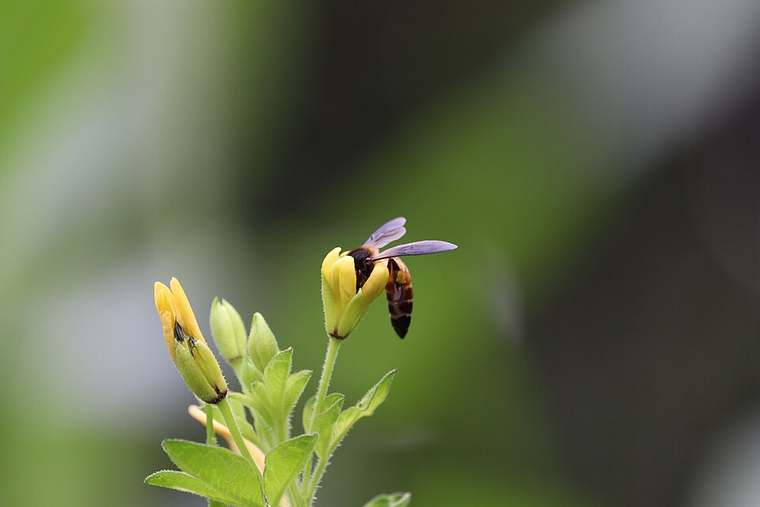
A waggle dance informs hive mates of the direction and distance to nectar. When a foraging honeybee finds a rich patch of flowers, it returns to the hive and performs a figure-of-eight movement known as a waggle dance. The angle of the dance relative to vertical indicates the flower direction relative to the Sun, while duration signifies distance. It sits in Mondo's animals collection, one of 200 facts that each trace back to the reference below.
Where this comes from
Facts that can change over time are reviewed and updated. If something here looks wrong, Mondo would rather know than be confidently incorrect.
Go further
More facts like this
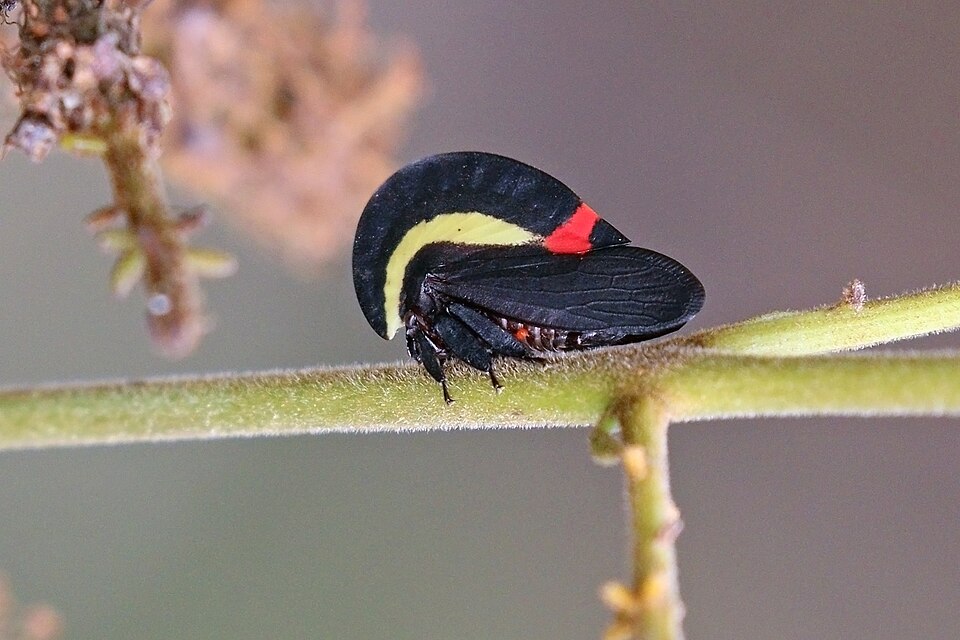 AnimalsTreehoppers send vibrations through stemsMothers signal to nymphs by shaking the plant rather than the air
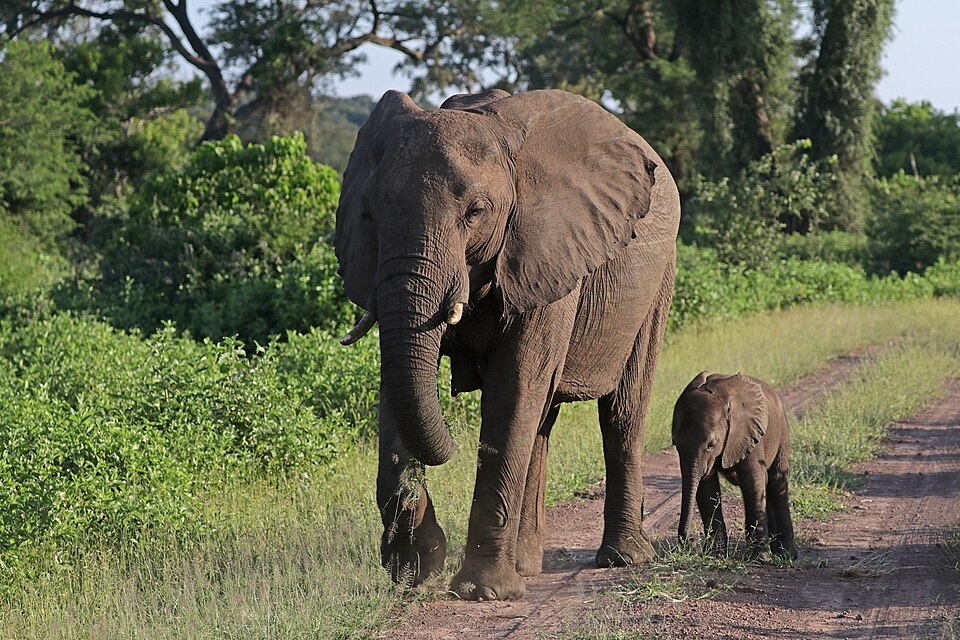 AnimalsElephants communicate over miles using low-frequency vibrationsElephants detect seismic infrasound waves through sensitive foot pads.
 AnimalsWolf pack members alter howling pitch to sound like a larger groupHarmonic chorus howling tricks rival packs regarding territory strength.
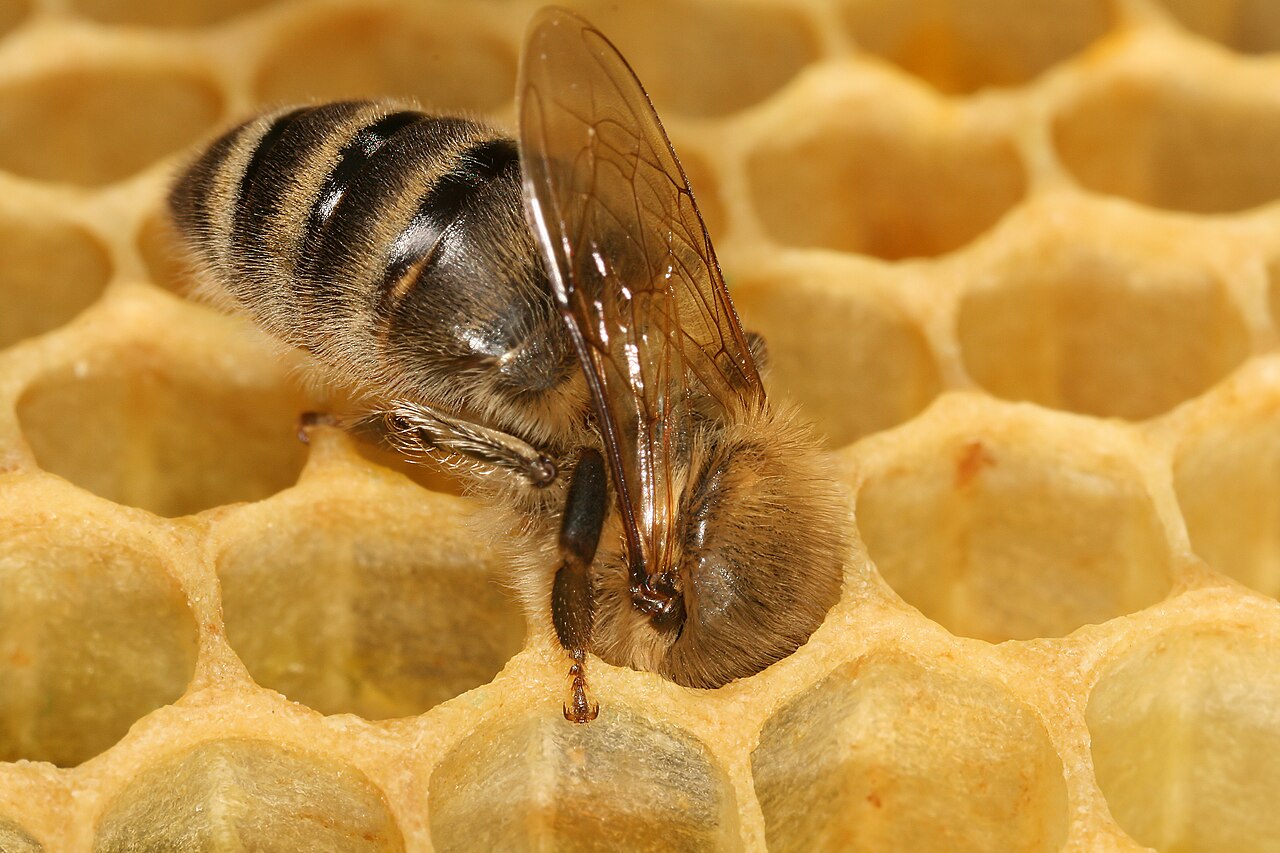 AnimalsA honeybee dances to give directionsThe angle of the waggle run matches the angle of the flowers to the Sun
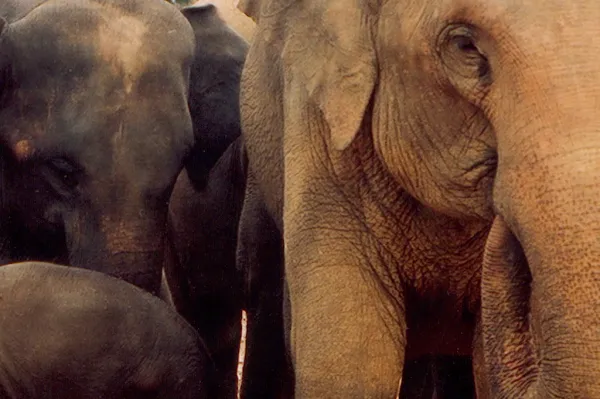 AnimalsElephants talk in frequencies we cannot hearTheir low rumbles travel through the ground and through the air for kilometres
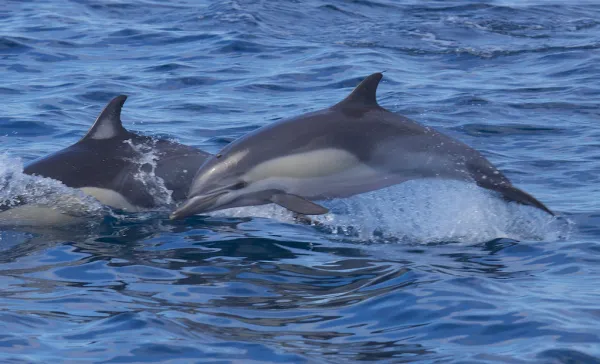 AnimalsEach dolphin has its own signature whistleThe whistle works as a name that others copy when they want attention
🐾 Animalsfact 9 of 200
← → to keep reading, or swipe
Tags: honeybee, insects, communication
Honeybees communicate flower locations through dancing: the short answers
- Where does this come from, and can I check it?
- A waggle dance informs hive mates of the direction and distance to nectar. The figure is taken from Encyclopædia Britannica, which is linked in full on this page. Every fact on Mondo Knows names its source rather than repeating an unsourced claim.
- Is this really a animals fact?
- Yes. It sits on the Animals shelf, one of 2,600 sourced facts grouped into space, animals, the human body, history, science and more. Category pages collect every fact in the same field.
- What else can I read about it?
- The links under the fact point to a quiz, game, puzzle or calculator on the same subject, and the shelf below shows related facts. The wording here is original, and quoted phrases are marked as quotations.