Mondo Knows Facts
200 Movies & TV Facts, Each One Checked and Sourced
Film history, television firsts and what happened behind the camera. There are 200 movies & tv facts on this shelf, each one short enough to read in a few seconds, each with a named source you can check yourself, and each linking onward to a quiz, game or calculator on the same theme.
Showing the first 24 of 200. Search or pick a shelf to load the rest.
Movies & TVThe oldest surviving film is about two seconds longLouis Le Prince shot Roundhay Garden Scene in Leeds in 1888Movies & TVThe first paid film screening was in Paris in 1895The Lumière brothers showed short films to a paying audience on 28 December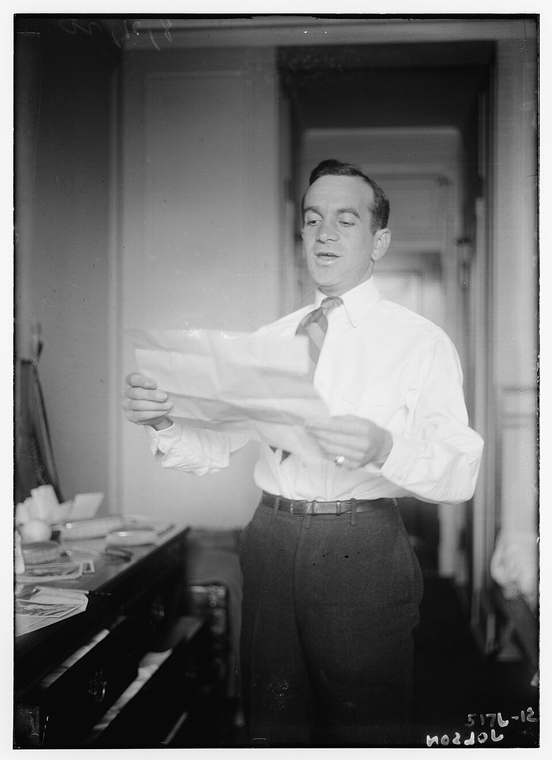 Movies & TVThe Jazz Singer brought sound to feature filmsWarner Bros. released it in 1927 with synchronised songs and speech
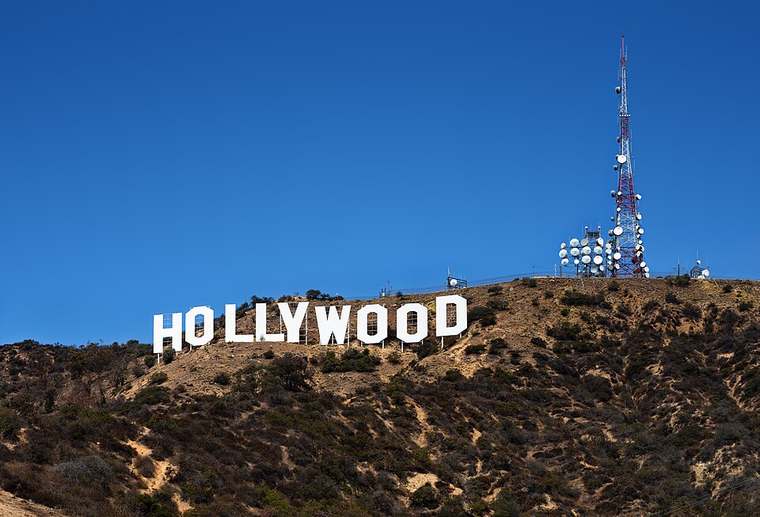 Movies & TVThe Hollywood sign once said HOLLYWOODLANDIt was an advertisement for a housing development, put up in 1923Movies & TVThe first Oscars ceremony lasted about 15 minutesIt was held on 16 May 1929 and the winners were announced months before
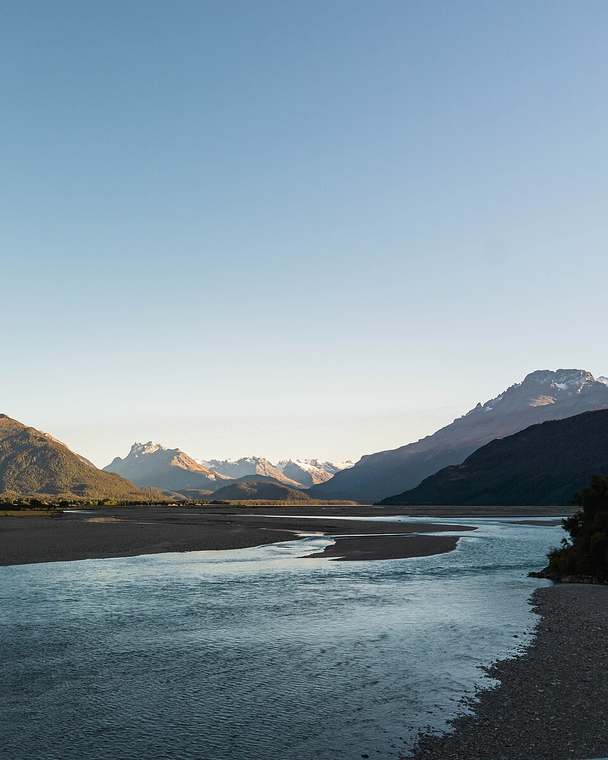 Movies & TVThe Lord of the Rings trilogy was shot back to back in New ZealandFilming began in October 1999 and Hobbiton was built near MatamataMovies & TVOnly three films have won 11 OscarsBen-Hur, Titanic and The Return of the King share the record
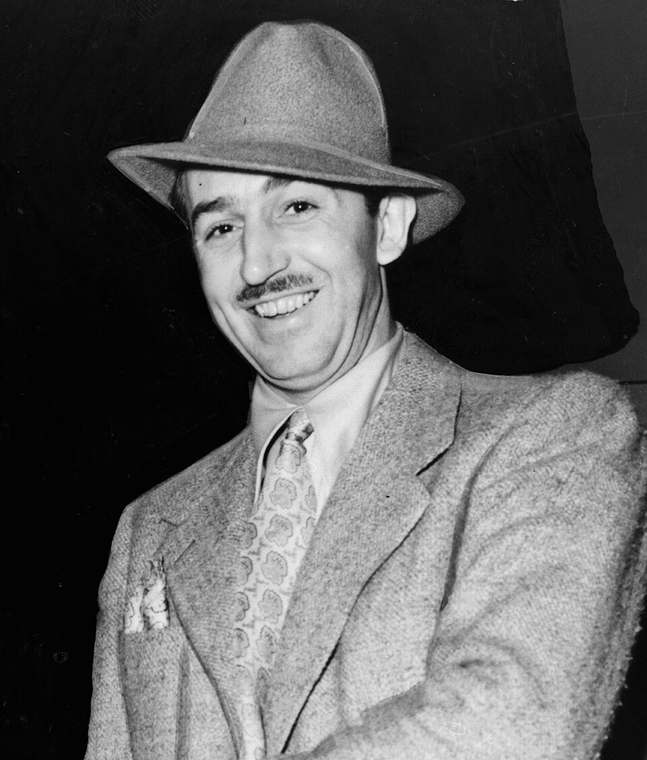 Movies & TVWalt Disney has won more Oscars than anyone elseHe took home 22 competitive awards and four honorary ones
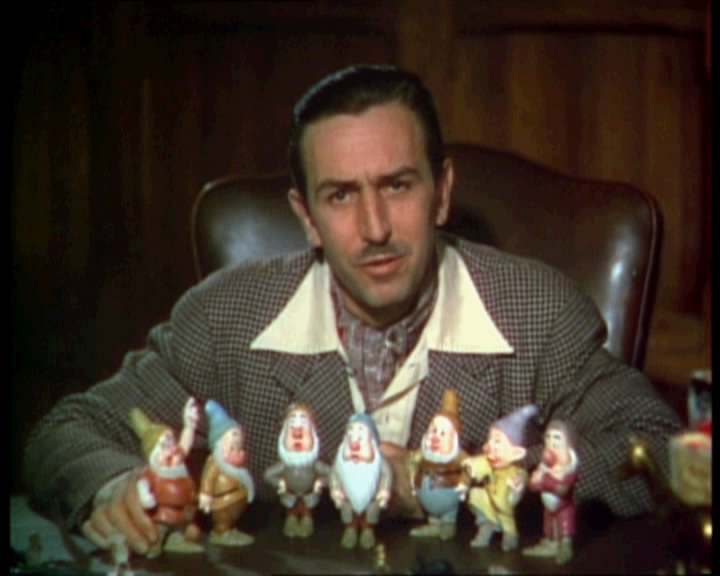 Movies & TVSnow White was the first full-length American cel-animated filmDisney's 1937 gamble took three years to make
 Movies & TVIndia makes more films than any other countryThe industry releases well over 1,500 features a year in many languages
 Movies & TVPsycho's shower scene took 78 camera setupsThe sequence runs about 45 seconds and has roughly 52 cutsMovies & TVStar Wars' Tatooine is named after a real townGeorge Lucas took the name from Tataouine in TunisiaMovies & TVDoctor Who is the longest-running sci-fi TV seriesIt first aired on the BBC on 23 November 1963
 Movies & TVThe Simpsons is the longest-running American scripted primetime showThe series premiered in December 1989 and continues today
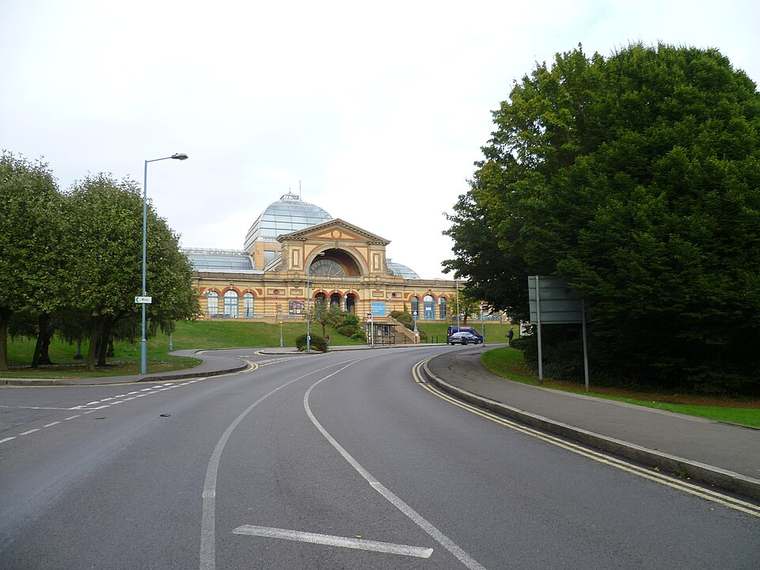 Movies & TVThe BBC began the world's first regular TV service in 1936Broadcasts started from Alexandra Palace on 2 November 1936
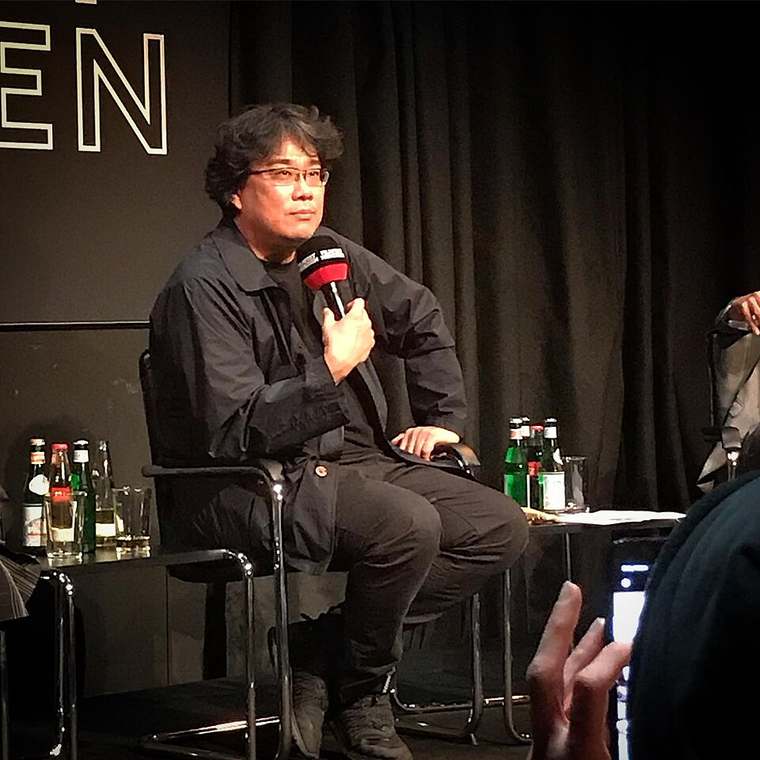 Movies & TVParasite was the first non-English film to win Best PictureSouth Korea's Parasite won four Oscars at the 2020 ceremony
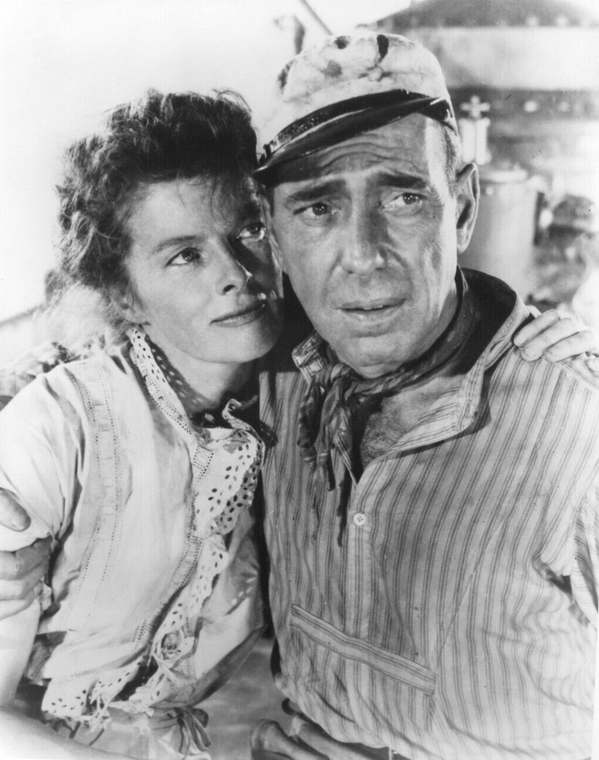 Movies & TVKatharine Hepburn won four Best Actress OscarsNo other performer has won as many in a lead acting category
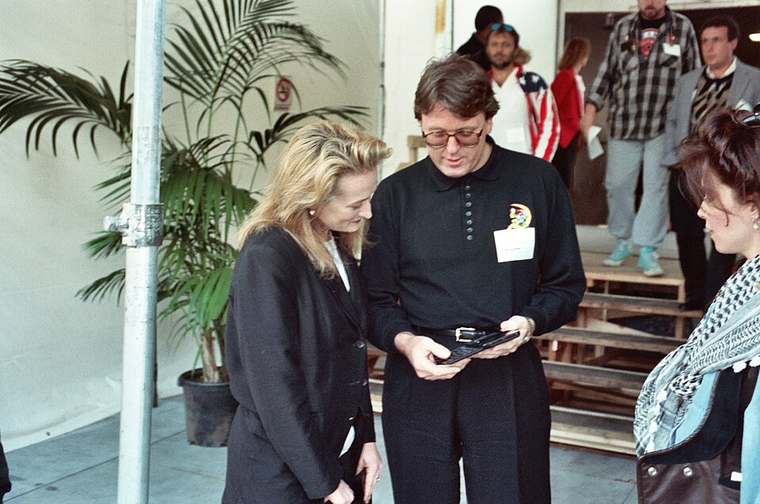 Movies & TVMeryl Streep has been nominated for 21 OscarsIt is the most for any performer, with three wins
 Movies & TVCharlie Chaplin got a 12-minute standing ovationIt came at the 1972 Oscars and was the longest in the ceremony's historyMovies & TVJohn Logie Baird demonstrated television in 1926He showed moving images to a small audience in a London attic
 Movies & TVSpirited Away was the first anime to win an OscarStudio Ghibli's film won Best Animated Feature in 2003
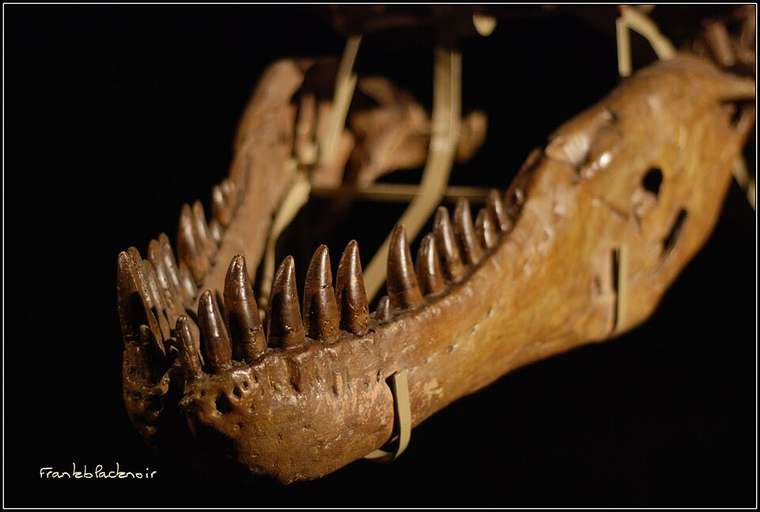 Movies & TVJaws was the first film to earn $100 million in the USThe mechanical shark, nicknamed Bruce, kept breaking down
 Movies & TVThe Cannes Film Festival began in 1946A planned 1939 edition was cancelled when the Second World War began
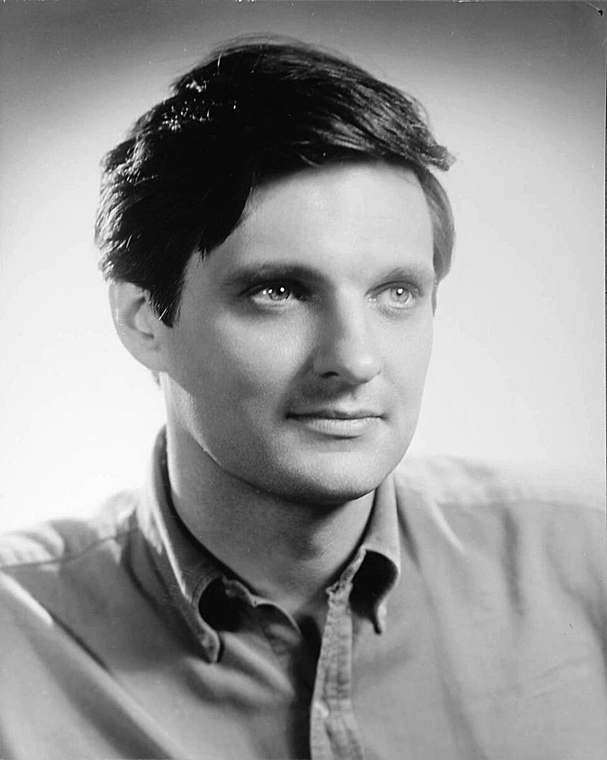 Movies & TVThe M*A*S*H finale was watched by about 106 million peopleIt held the US record for most-watched broadcast for 27 years
Movies & TVThe Jazz Singer brought sound to feature filmsWarner Bros. released it in 1927 with synchronised songs and speechMovies & TVThe Hollywood sign once said HOLLYWOODLANDIt was an advertisement for a housing development, put up in 1923Movies & TVThe first Oscars ceremony lasted about 15 minutesIt was held on 16 May 1929 and the winners were announced months beforeMovies & TVThe Lord of the Rings trilogy was shot back to back in New ZealandFilming began in October 1999 and Hobbiton was built near MatamataMovies & TVOnly three films have won 11 OscarsBen-Hur, Titanic and The Return of the King share the recordMovies & TVWalt Disney has won more Oscars than anyone elseHe took home 22 competitive awards and four honorary onesMovies & TVSnow White was the first full-length American cel-animated filmDisney's 1937 gamble took three years to makeMovies & TVIndia makes more films than any other countryThe industry releases well over 1,500 features a year in many languagesMovies & TVPsycho's shower scene took 78 camera setupsThe sequence runs about 45 seconds and has roughly 52 cutsMovies & TVStar Wars' Tatooine is named after a real townGeorge Lucas took the name from Tataouine in TunisiaMovies & TVDoctor Who is the longest-running sci-fi TV seriesIt first aired on the BBC on 23 November 1963Movies & TVThe Simpsons is the longest-running American scripted primetime showThe series premiered in December 1989 and continues todayMovies & TVThe BBC began the world's first regular TV service in 1936Broadcasts started from Alexandra Palace on 2 November 1936Movies & TVParasite was the first non-English film to win Best PictureSouth Korea's Parasite won four Oscars at the 2020 ceremonyMovies & TVKatharine Hepburn won four Best Actress OscarsNo other performer has won as many in a lead acting categoryMovies & TVMeryl Streep has been nominated for 21 OscarsIt is the most for any performer, with three winsMovies & TVCharlie Chaplin got a 12-minute standing ovationIt came at the 1972 Oscars and was the longest in the ceremony's historyMovies & TVJohn Logie Baird demonstrated television in 1926He showed moving images to a small audience in a London atticMovies & TVSpirited Away was the first anime to win an OscarStudio Ghibli's film won Best Animated Feature in 2003Movies & TVJaws was the first film to earn $100 million in the USThe mechanical shark, nicknamed Bruce, kept breaking downMovies & TVThe Cannes Film Festival began in 1946A planned 1939 edition was cancelled when the Second World War beganMovies & TVThe M*A*S*H finale was watched by about 106 million peopleIt held the US record for most-watched broadcast for 27 yearsAll 200 Movies & TV facts
- The oldest surviving film is about two seconds long
- The first paid film screening was in Paris in 1895
- The Jazz Singer brought sound to feature films
- The Hollywood sign once said HOLLYWOODLAND
- The first Oscars ceremony lasted about 15 minutes
- The Lord of the Rings trilogy was shot back to back in New Zealand
- Only three films have won 11 Oscars
- Walt Disney has won more Oscars than anyone else
- Snow White was the first full-length American cel-animated film
- India makes more films than any other country
- Psycho's shower scene took 78 camera setups
- Star Wars' Tatooine is named after a real town
- Doctor Who is the longest-running sci-fi TV series
- The Simpsons is the longest-running American scripted primetime show
- The BBC began the world's first regular TV service in 1936
- Parasite was the first non-English film to win Best Picture
- Katharine Hepburn won four Best Actress Oscars
- Meryl Streep has been nominated for 21 Oscars
- Charlie Chaplin got a 12-minute standing ovation
- John Logie Baird demonstrated television in 1926
- Spirited Away was the first anime to win an Oscar
- Jaws was the first film to earn $100 million in the US
- The Cannes Film Festival began in 1946
- The M*A*S*H finale was watched by about 106 million people
- Sesame Street began in 1969 as an educational experiment
- Steamboat Willie entered the public domain in 2024
- Netflix began by mailing DVDs
- Weta Workshop makes film props in Wellington
- Jane Campion was the first woman to win the Palme d'Or
- Toy Story was the first fully computer-animated feature film
- Sound pushed film to 24 frames per second
- Film stock was slit from 70mm rolls
- CinemaScope squeezed widescreen onto ordinary film
- An IMAX frame is about ten times larger
- Citizen Kane kept foreground and background both sharp
- The Academy ratio ruled screens until the 1950s
- Silent film cameras were turned by hand
- Japanese silent films came with a live narrator
- Silent films were coloured by hand through stencils
- Edison's first film studio had a roof that opened
- The Great Train Robbery ran twelve minutes in 1903
- The first nickelodeon opened in Pittsburgh in 1905
- The rotoscope traced animation from live footage
- King Kong was animated one frame at a time
- Disney's multiplane camera added depth to cartoons
- Most hand-drawn animation is shot on twos
- Film foley sound is named after Jack Foley
- Early sound films stored audio on records
- Dolby Stereo put four channels on an optical track
- THX began as a standard for cinema sound
- Surround sound uses six separate channels
- The Kuleshov effect shows how editing makes meaning
- The 180 degree rule keeps screen space consistent
- The bone to satellite cut spans millennia
- Breathless used jump cuts to break continuity
- Conversation scenes are built from opposing camera angles
- A 1948 ruling broke the studios grip
- The Production Code policed Hollywood for three decades
- Studio contracts tied stars for seven years
- Technicolor used a prism to split light three ways
- Muybridge photographed a galloping horse to settle a bet
- Kinetoscope parlours let one viewer watch at a time
- Melies found the substitution splice by accident
- A Trip to the Moon was tinted by hand
- A 1906 Australian film ran a full hour
- The first studio in Hollywood opened in 1911
- Intolerance built a Babylon set hundreds of feet wide
- Silent films were tinted to signal time of day
- Early cinema film was dangerously flammable
- Safety film replaced nitrate in the 1950s
- Some films are shot with three perforations a frame
- Super 8 made home movies cheap and simple
- Kodak's 16mm film was launched for amateurs
- Digital cinema packages replaced reels of prints
- The Hobbit films ran at 48 frames a second
- The Red One brought 4K capture to low budgets
- Gollum combined an actor with digital animation
- A 1985 film had a fully computer made character
- Terminator 2 needed a new kind of software
- Bullet time used a ring of stills cameras
- Rear projection put actors in front of filmed backgrounds
- Matte paintings extended sets without building them
- Hobbit scale relied on forced perspective
- Mary Poppins used a yellow screen, not green
- Xerox copying changed the look of Disney animation
- Hanna-Barbera made cartoons cheap with limited animation
- Astro Boy was Japan's first weekly animated series
- Ray Harryhausen animated monsters against live plates
- Aardman animates plasticine characters by hand
- Actors often re-record their lines after filming
- Early sound films hired musicians to play on set
- A click track kept film musicals in time
- Boom operators hold the microphone just out of frame
- A blimp muffles the sound of the camera
- Dubbing replaced voices for foreign releases
- Some silent stars did not survive sound
- Mack Sennett built comedy around the chase
- Chaplin's Tramp costume was assembled in minutes
- Buster Keaton did his own stunts without doubling
- German expressionist films bent their sets out of shape
- Film noir lighting came from German emigres
- Italian neorealism left the studio behind
- The French New Wave ran on light cameras
- Dogme 95 banned artificial lighting and effects
- The clapperboard exists to line up sound and picture
- Television sitcoms often use several cameras at once
- Soap operas were named after their sponsors
- The sitcom laugh track came from radio
- The American TV standard used 525 lines
- Europe chose 625 lines and 25 frames
- France developed its own colour TV system
- Mechanical television used a spinning disc
- The iconoscope was the first practical TV camera tube
- Coaxial cable built the first TV networks
- Kinescopes filmed live television off a screen
- Videotape arrived in 1956
- American colour television was standardised in 1953
- BBC Two began colour broadcasts in 1967
- A Hays Office seal decided what cinemas could book
- The Production Code listed what could not be shown
- A 1952 ruling gave films free speech protection
- A voluntary ratings system replaced the Code in 1968
- The NC-17 rating replaced X in 1990
- The British film censor dates from 1912
- Showing drug dealing sympathetically was off limits
- The Academy keeps its own film archive
- BAFTA was founded in 1947
- The first Emmys were handed out in 1949
- The Emmy statuette is named for an image orthicon
- The Golden Globes come from foreign correspondents
- The Palme d'Or was first called the Grand Prix
- Venice holds the oldest film festival
- The Berlin film festival began in 1951
- The National Film Registry began in 1988
- Films reach the registry after ten years
- The registry has grown by 25 films a year
- The registry protects home movies and newsreels
- Federal money pays for film preservation
- Nitrate film is stored in isolated vaults
- Old film can decay into vinegar
- Restorations combine the best pieces of many prints
- Many old films have no identifiable owner
- American film copyright now lasts 95 years
- The Prelinger Archives collects everyday film
- Colour negatives faded within decades
- Some colour films survive as three black-and-white copies
- Technicolor prints were made by transferring dye
- Colour picture tubes aimed three beams through a mask
- American analogue television ended in 2009
- Letterboxing kept the wide shape on square sets
- An LCD picture is made by blocking light
- OLED screens light each pixel on its own
- Plasma screens lit tiny cells of gas
- The first television remote was tied by a cable
- Ultrasonic remotes gave us the word clicker
- VHS beat Betamax by recording for longer
- Ceefax carried the first regular TV subtitles
- Closed captions rode in an invisible line
- 16:9 was a compromise between film shapes
- The praxinoscope used mirrors instead of slots
- Lotte Reiniger cut her characters from paper
- Pixilation animates real people a frame at a time
- Go motion blurred puppets while the shutter was open
- Squash and stretch keeps drawings from looking stiff
- An animation camera looks down at a table
- High falls end on boxes and air bags
- Prop windows are broken from sugar resin
- Squibs fire the blood hits on cue
- Film rain falls from towers and nozzles
- Motion control rigs repeat a move exactly
- Wire removal erases the cables holding actors
- Front projection threw the backdrop onto the actors
- Film stock is rated by speed and grain
- Super 35 crops the picture for widescreen
- Optical sound is printed beside the picture
- Seventy millimetre prints carried magnetic sound
- Dolby noise reduction hushed optical soundtracks
- SDDS hid eight sound channels at the frame edge
- Dolby Atmos treats sounds as movable objects
- Carbon arc lamps lit early cinema screens
- A platter holds the entire feature on one reel
- A Geneva mechanism stops the film between frames
- Polarised glasses give each eye a separate image
- Cinerama joined three projectors into one picture
- Cinema screen brightness is measured in foot-lamberts
- A colorist grades the finished picture
- The focus puller keeps the shot sharp
- The dolly grip drives the camera platform
- The gaffer runs the lighting department
- The script supervisor tracks continuity
- The negative cutter assembles the original film
- A location scout finds places to shoot
- An animal wrangler trains the animals on screen
- The armourer controls every weapon on set
- Archives keep projectors for long dead formats
- Film scanners copy a frame at a time
- Audio restoration lifts speech out of hiss
- Digital masters need copying every few years
- Telecine machines copied film onto tape
- SDH captions also describe the sounds
Test what you know
Turn these facts into a quiz: Movies & Television trivia questions, with an explanation after every answer.
More fact shelves
Questions people ask
- How many movies & TV facts are there?
- 200, each with a named source and a link to it. Film history, television firsts and what happened behind the camera.
- Where do these facts come from?
- Mostly primary sources: NASA, the ESA, museums, universities and peer-reviewed papers. A fact is only published here once a source can be linked, and the wording is written fresh rather than copied.
- Can I read them in one sitting?
- The page lists the newest first and the search box narrows by word. Every fact links onward to a quiz, game or calculator on the same subject, so it works as a browse or as a jumping-off point.