Mondo Knows Facts
2,600 Interesting Facts, Each One Checked and Sourced
A searchable library of short, surprising facts about space, animals, the human body, geography, history, science, technology, food and the world around you. Each fact is written in a paragraph rather than a headline, cites where it came from, and sends you somewhere useful next: a quiz on the same subject, a game, a puzzle, or the tool that works the idea out.
Fact of the day · Records & Extremes
Qamdo Bamda had the longest civil runway
Its single strip runs 5,500 metres at an altitude of 4,334 metres
The airport on the Tibetan plateau in China opened in 1995 with a runway 5,500 metres long, the longest at any civil airport. Thin air at 4,334 metres reduces lift and engine thrust, so aircraft need far more runway to reach take off speed than at sea level. The figure refers to the original strip, and published lengths for the airport have varied as it has been surveyed and rebuilt.
Pick a shelf
Browse all 2,600 facts
Search by word, filter by shelf, or roll the dice if you cannot decide.
Showing the first 24 of 2600. Search or pick a shelf to load the rest.
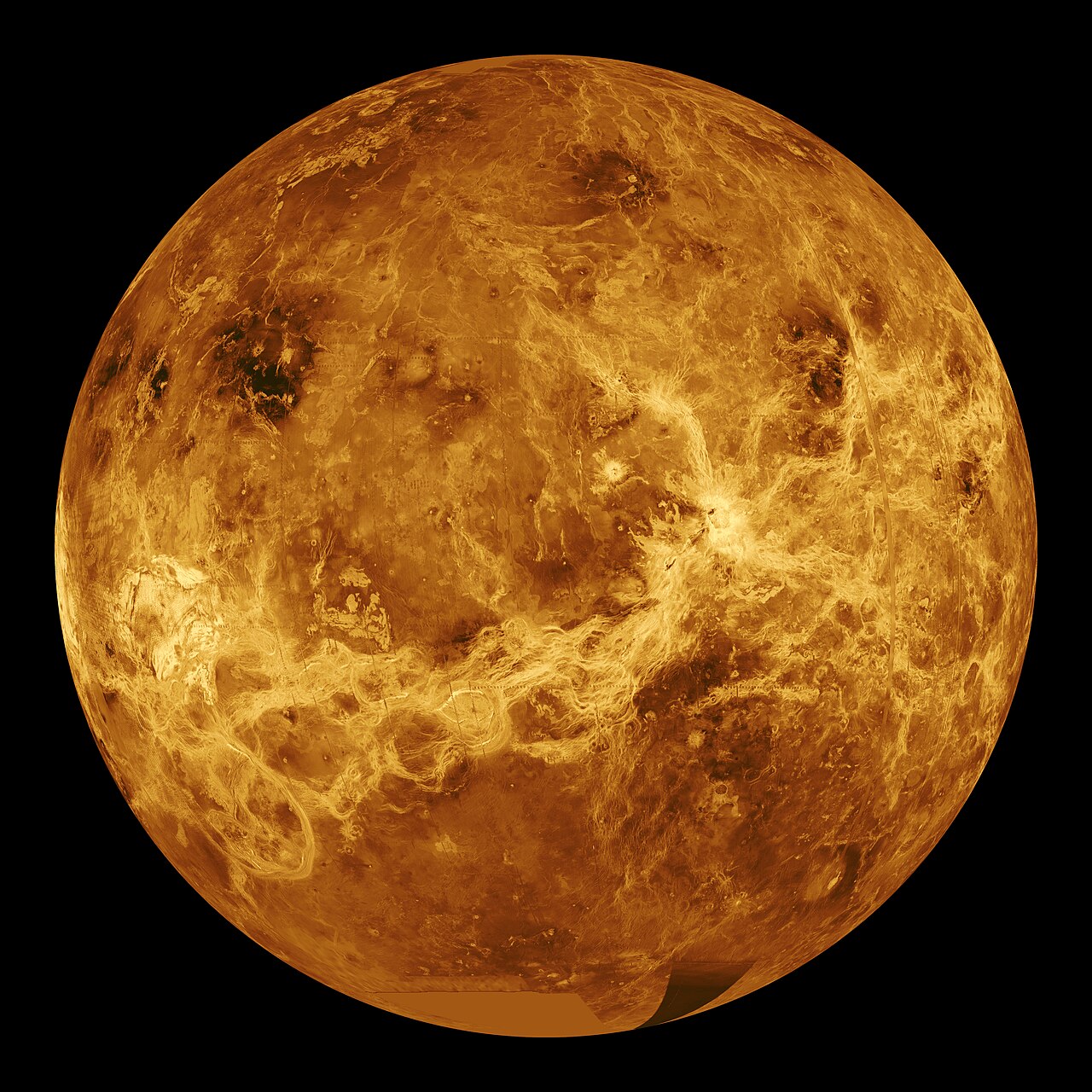 SpaceA day on Venus is longer than its yearVenus turns so slowly that its day outlasts its trip around the Sun
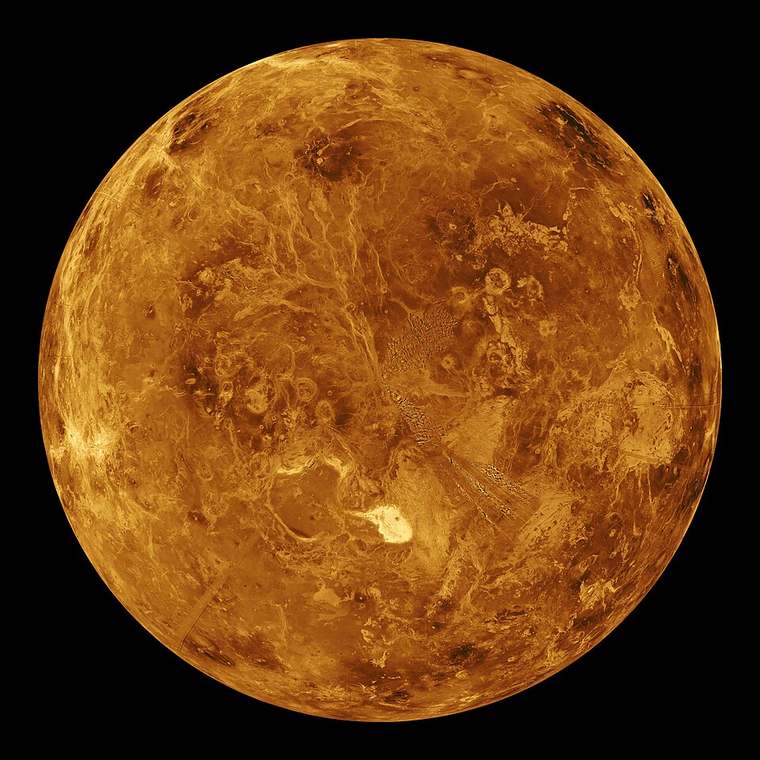 SpaceVenus is the hottest planet in the solar systemThick greenhouse gases trap heat to make Venus hotter than Mercury
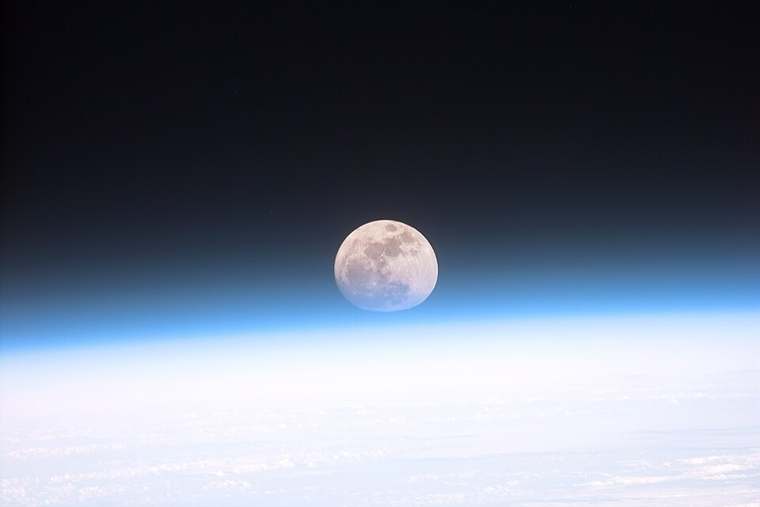 SpaceThe Moon is slowly drifting away from EarthLuni-solar tidal friction pushes the Moon outward by roughly four centimetres each year
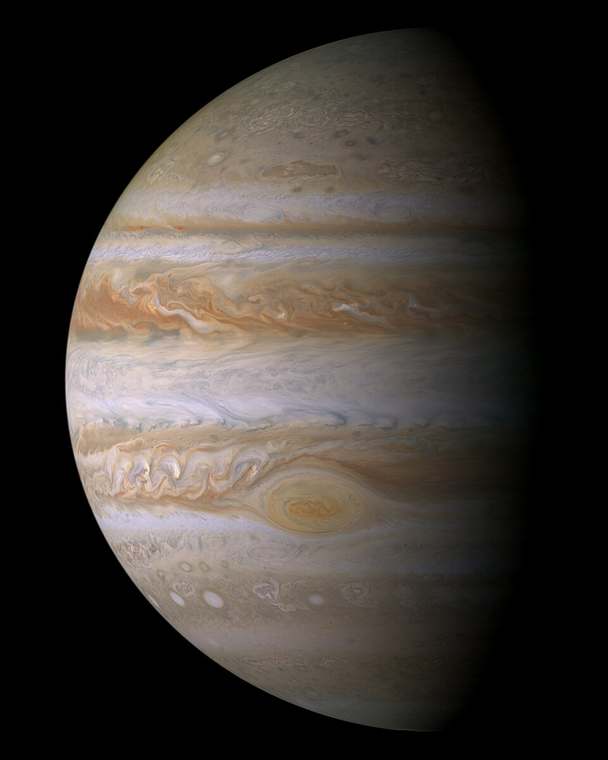 SpaceJupiter has the shortest day of any solar system planetThe gas giant completes a full rotation in under ten hours
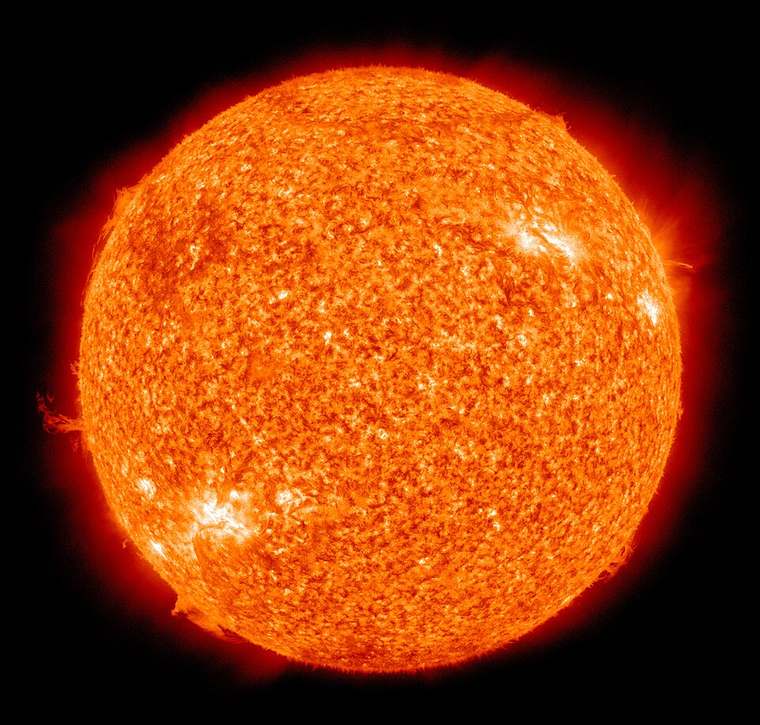 SpaceThe Sun holds nearly all the mass in the solar systemOver 99 percent of all matter in the solar system resides inside the Sun
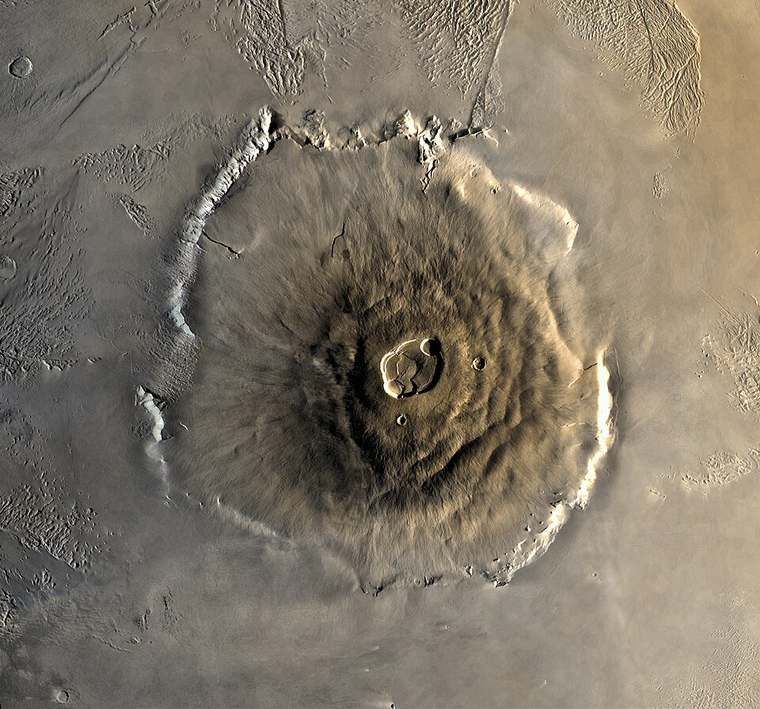 SpaceMars hosts the largest volcano in the solar systemOlympus Mons on Mars stands about two and a half times taller than Mount Everest
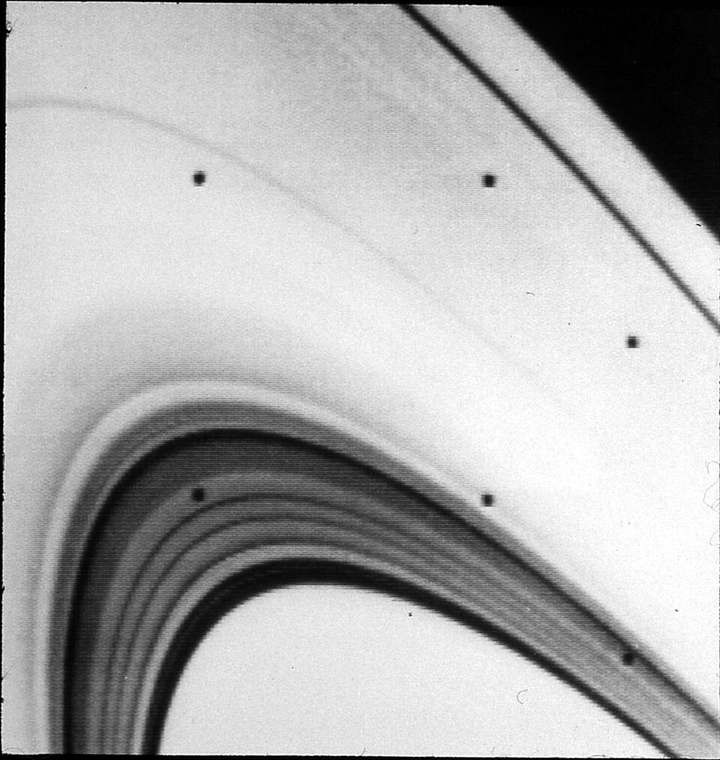 SpaceSaturn rings consist almost entirely of water iceBillions of icy fragments range from microscopic specks to house-sized bouldersSpaceA single teaspoon of a neutron star weighs billions of tonnesSuper-dense collapsed stellar cores pack enormous mass into tiny spheres
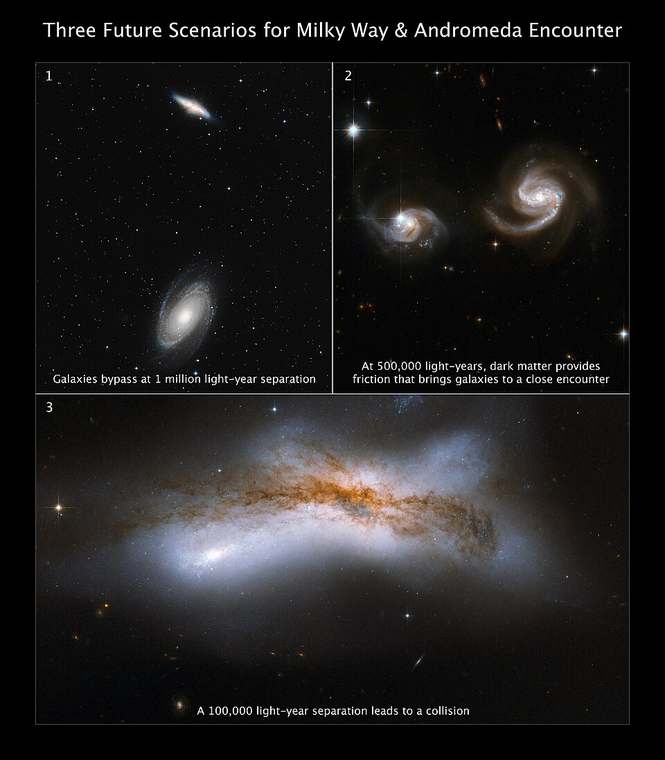 SpaceThe Milky Way will collide with the Andromeda GalaxyIn four billion years our home galaxy will merge with its nearest large neighbour
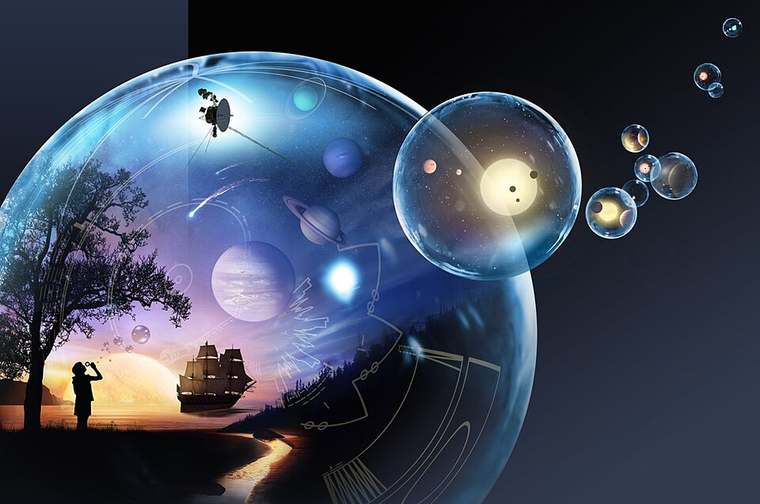 SpaceVoyager 1 is the farthest human object from EarthLaunched in 1977 the robotic probe is now travelling through interstellar spaceSpaceMercury experiences extreme surface temperature swingsWithout a thick atmosphere Mercury swings from scorching days to freezing nightsSpaceUranus rotates almost entirely on its sideAn axial tilt of 98 degrees causes extreme seasons lasting over 20 years
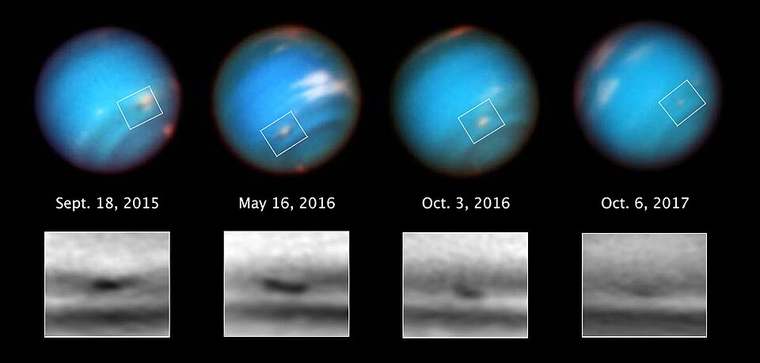 SpaceNeptune features the fastest winds in the solar systemSupersonic storms on Neptune reach speeds over two thousand kilometres per hour
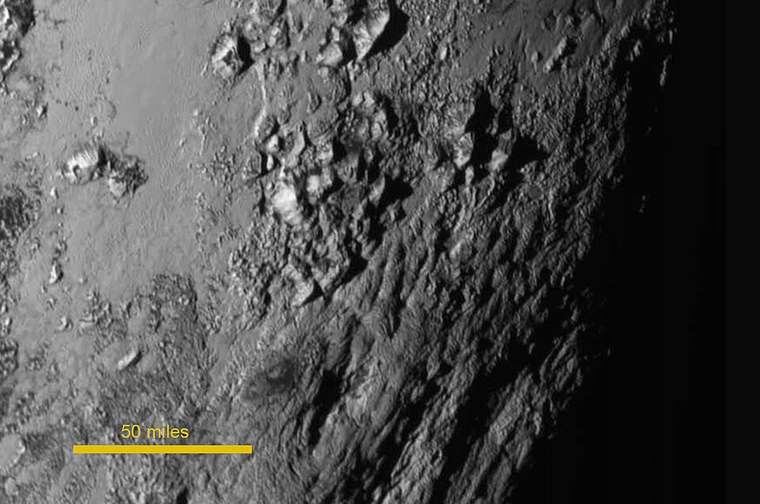 SpacePluto features a giant heart-shaped nitrogen glacierSputnik Planitia is a vast plain of frozen nitrogen ice on the dwarf planet
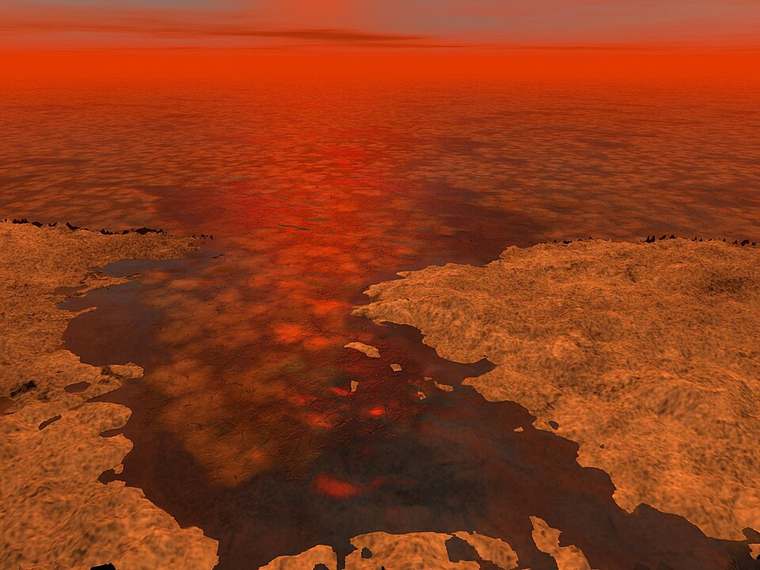 SpaceSaturn moon Titan has lakes and seas of liquid methaneTitan is the only world besides Earth known to host stable liquid on its surface
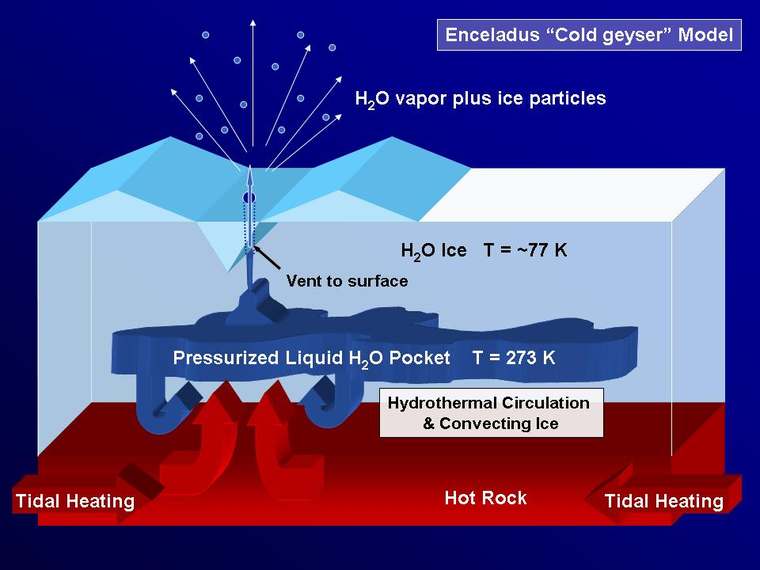 SpaceEnceladus erupts giant geysers of water ice into spaceA global subsurface ocean vents through cracks near the south pole of Saturn moon
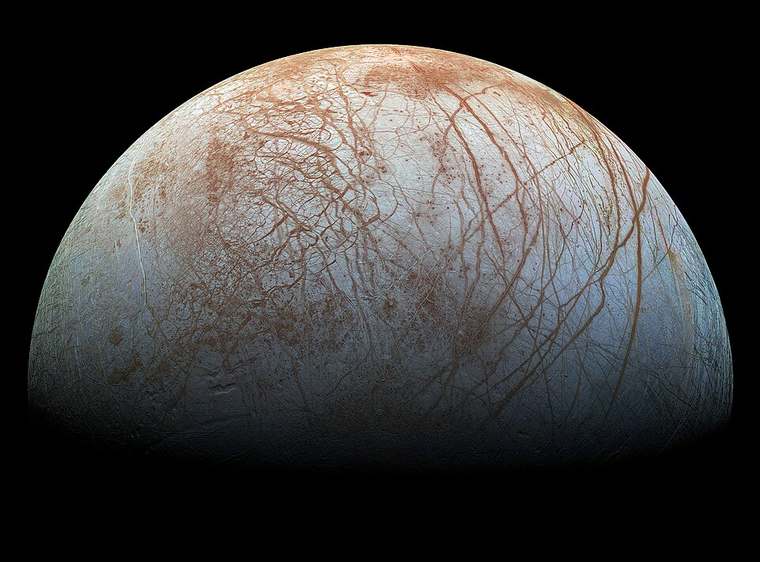 SpaceEuropa may hold twice as much water as all Earth oceans combinedA deep saltwater ocean sits concealed beneath the icy crust of Jupiter moon
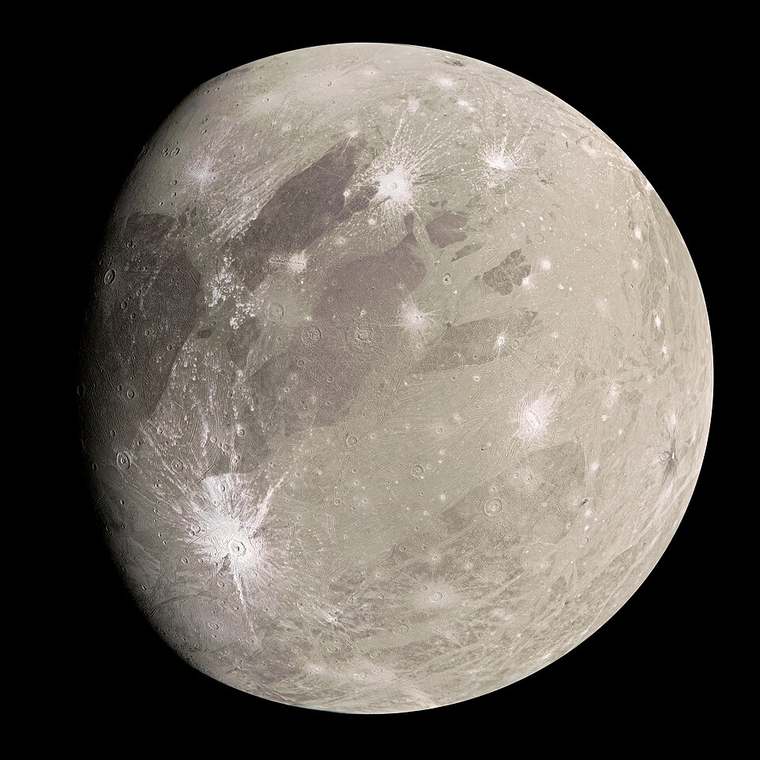 SpaceGanymede is the largest moon in the solar systemJupiter giant satellite is larger than both Mercury and PlutoSpaceIo is the most volcanically active body in the solar systemTidal forces from Jupiter squeeze Io to drive hundreds of lava eruptionsSpaceSunlight takes roughly eight minutes to reach EarthLight travels 150 million kilometres across space at 300,000 kilometres per second
 SpaceSpace is completely silent because sound needs a medium to travelWithout air or gas particles sound waves cannot propagate through the cosmic vacuum
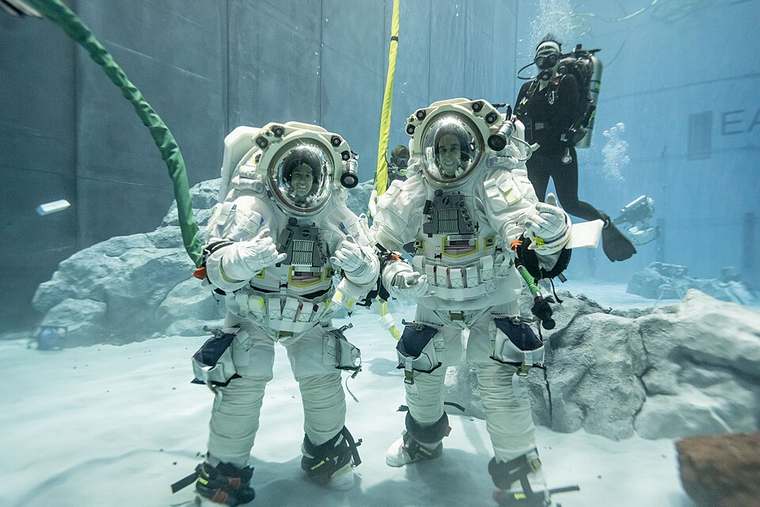 SpaceA full NASA spacesuit costs millions of dollars to produceCustom life support systems turn every spacesuit into a tiny personal spacecraft
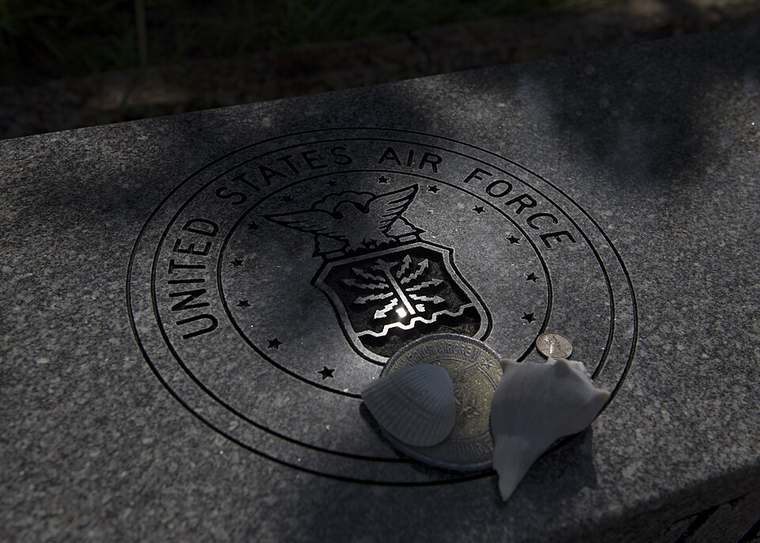 SpaceFootprints left on the Moon will last for millions of yearsWithout wind or water erosion Apollo astronaut tracks remain undisturbed
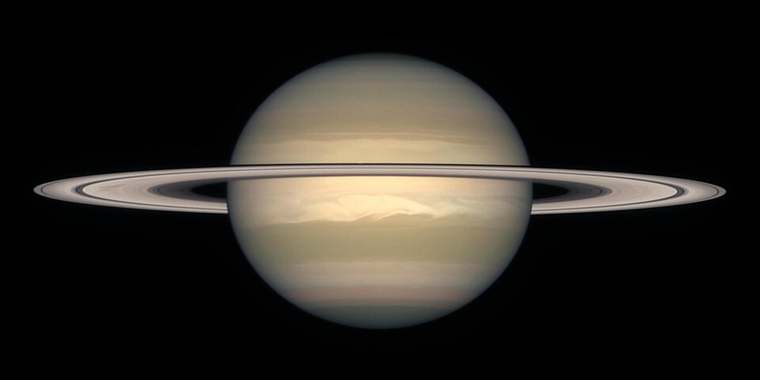 SpaceSaturn is the only solar system planet less dense than waterThe massive gas giant would float if placed in a vast oceanic basin
Facts that can change over time are reviewed and updated. Sources are named on every fact so you can check the working yourself. If something here looks wrong, Mondo would rather know than be confidently incorrect.
Questions people ask
- Where do the 2,600 facts come from?
- Every fact names its source, usually NASA, the ESA, a museum, a university or a peer-reviewed paper, and links to it. They are grouped into 13 categories including space, animals, the human body, history and science.
- How do I use the fact library?
- Search by word, filter by category, or use the surprise button for a random fact. Each fact also links onward to a quiz, game or calculator on the same subject, so one fact can become a five-minute detour.
- Can I reuse a fact or a photograph?
- The wording is ours, so quote it with a credit and a link. Photographs are licensed separately: each carries its own credit and licence, and only public-domain or Creative Commons images are used.