Mondo Knows Facts
200 History Facts, Each One Checked and Sourced
People, dates and turning points from the distant past to the last century. There are 200 history facts on this shelf, each one short enough to read in a few seconds, each with a named source you can check yourself, and each linking onward to a quiz, game or calculator on the same theme.
Showing the first 24 of 200. Search or pick a shelf to load the rest.
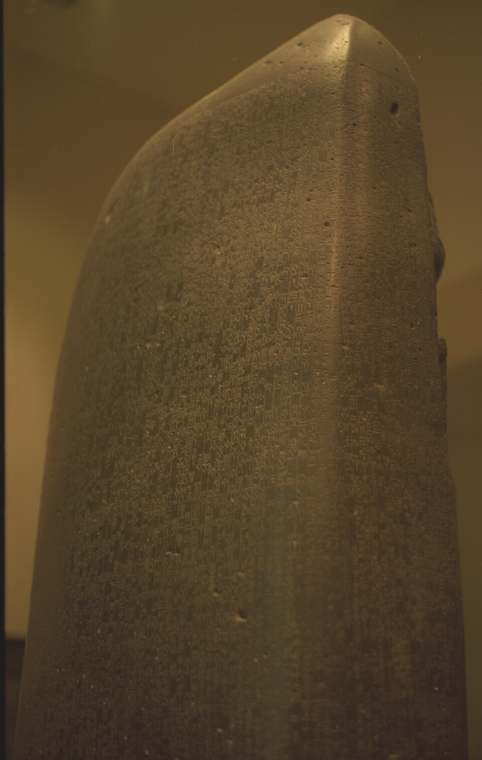 HistoryThe Code of Hammurabi established early written lawKing Hammurabi of Babylon carved nearly three hundred legal judgments onto a tall basalt stele
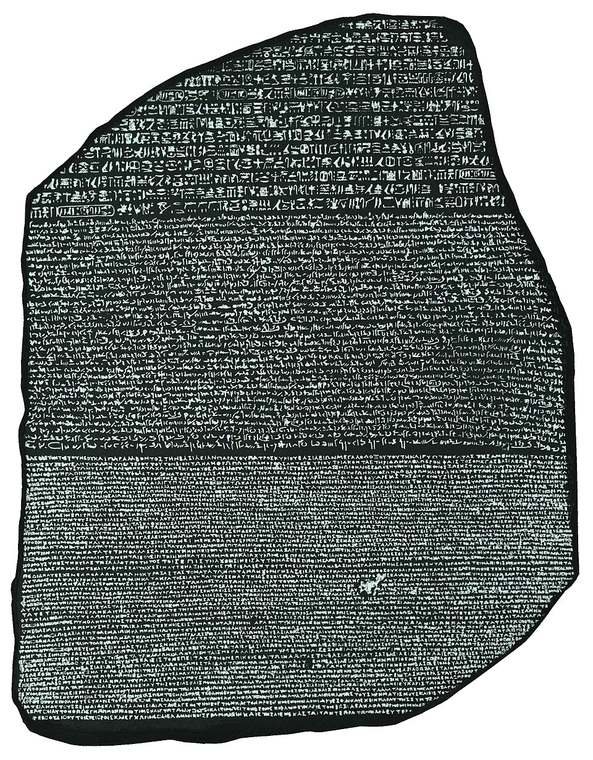 HistoryThe Rosetta Stone unlocked ancient Egyptian hieroglyphsA decree carved in three scripts enabled scholars to decipher Egyptian writing
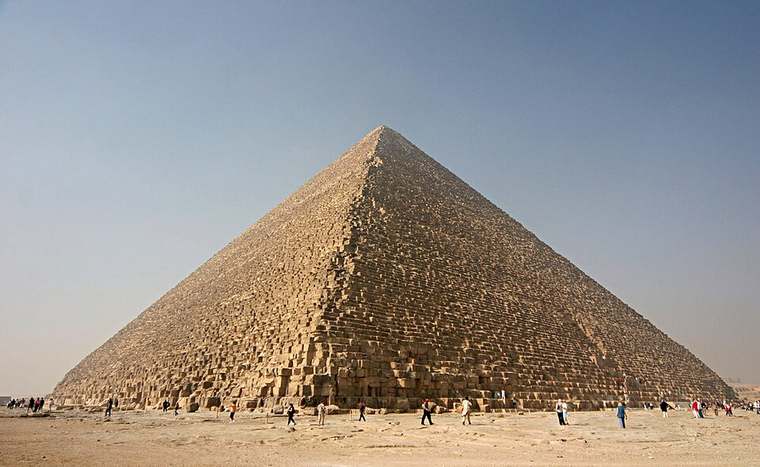 HistoryThe Great Pyramid of Giza was built for Pharaoh KhufuOver two million limestone blocks were assembled to form the tallest structure for millennia
 HistoryAthenian forces defeated Persia at the Battle of MarathonA surprise Greek victory in 490 BCE halted the first Persian invasion of Greece
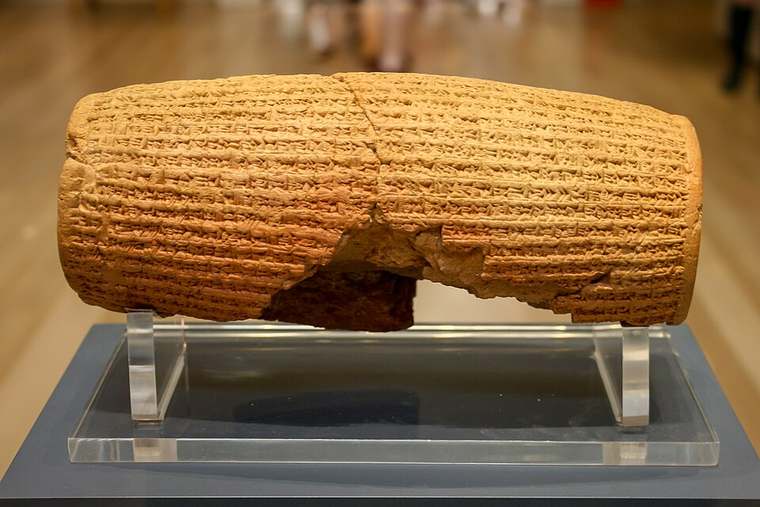 HistoryThe Cyrus Cylinder recorded ancient imperial tolerancePersian King Cyrus the Great proclaimed freedom for captive peoples after taking Babylon
 HistoryThe Library of Alexandria gathered ancient world knowledgePtolemaic rulers created a major centre of learning housing thousands of papyrus scrolls
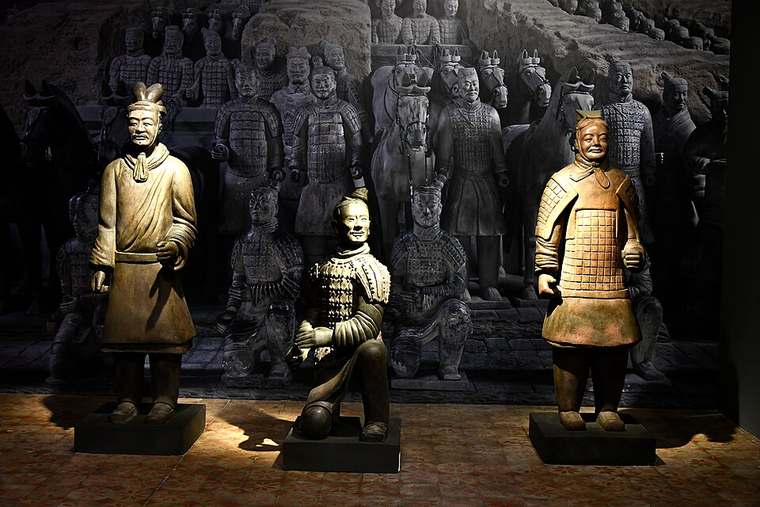 HistoryQin Shi Huang unified China and began the Great WallThe first emperor standardized currency and built the Terracotta Army for his tomb
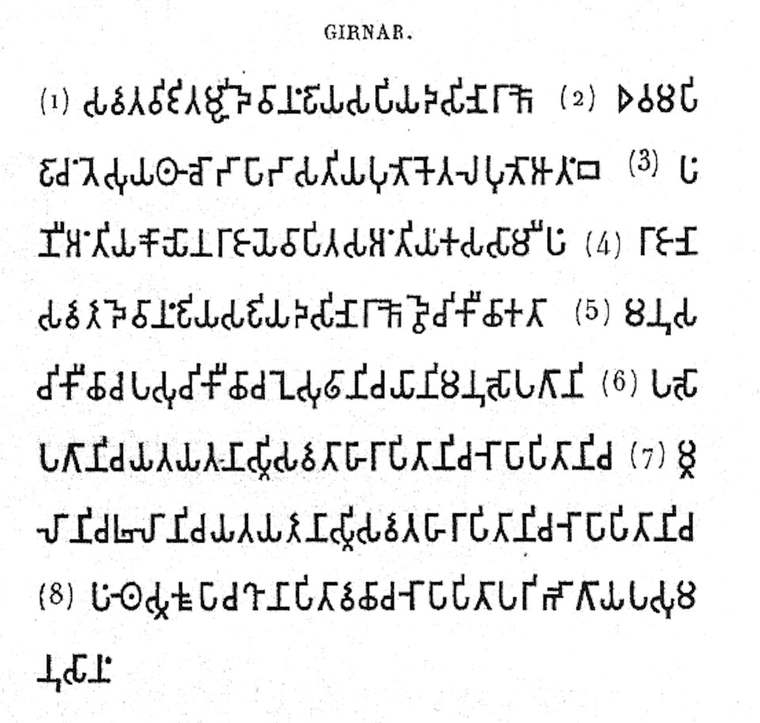 HistoryEmperor Ashoka carved Buddhist edicts across IndiaAfter the Kalinga War the Mauryan ruler embraced non-violence and ethical governance
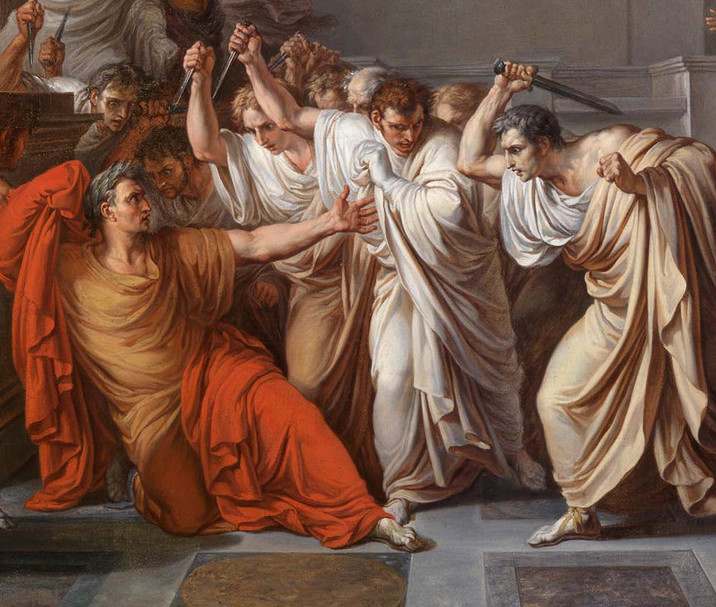 HistoryJulius Caesar was assassinated on the Ides of MarchRoman senators killed the dictator in 44 BCE in an effort to restore the Republic
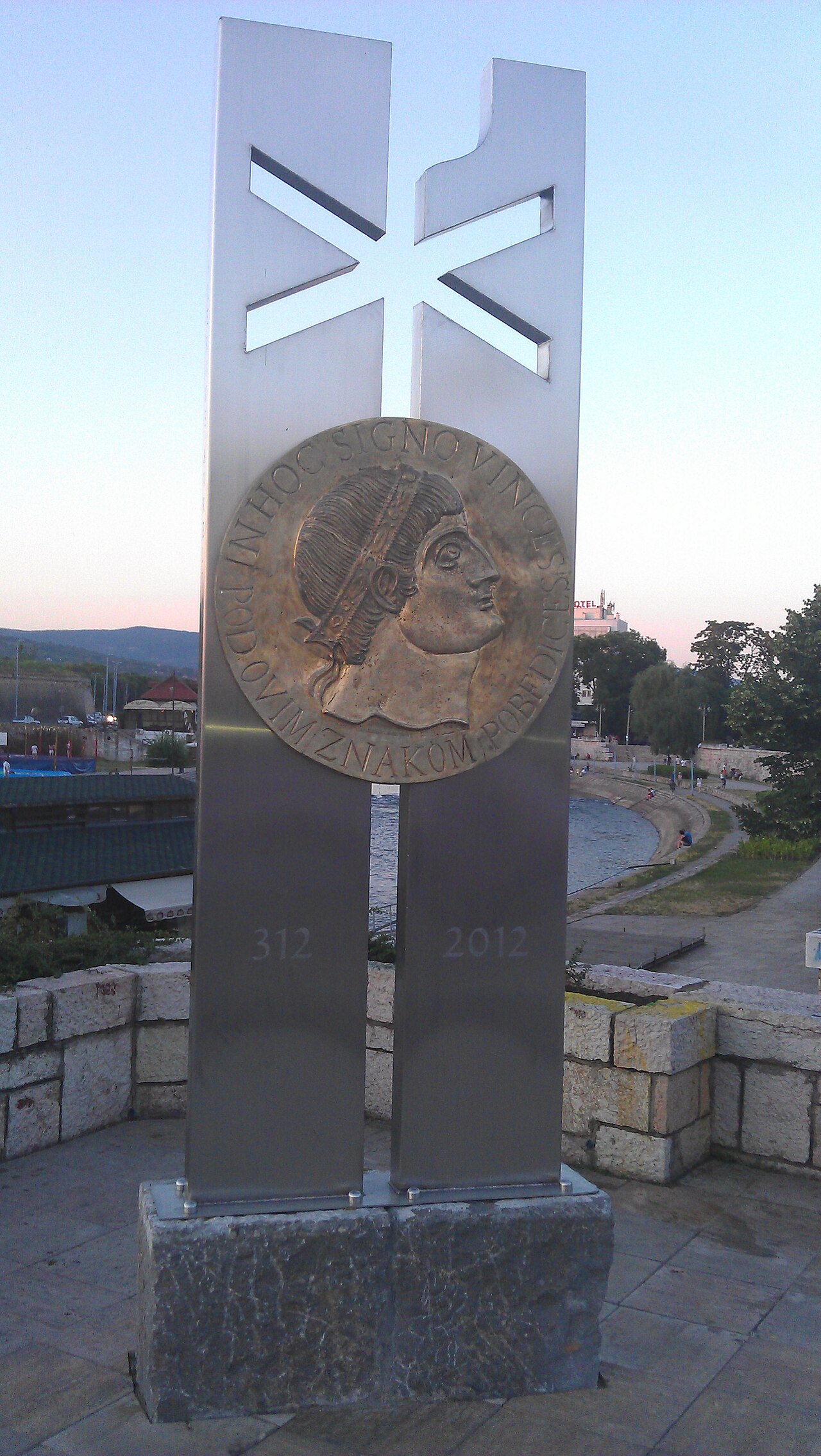 HistoryThe Edict of Milan granted religious freedom in RomeEmperors Constantine and Licinius legalized Christianity across the Roman Empire in 313 CE
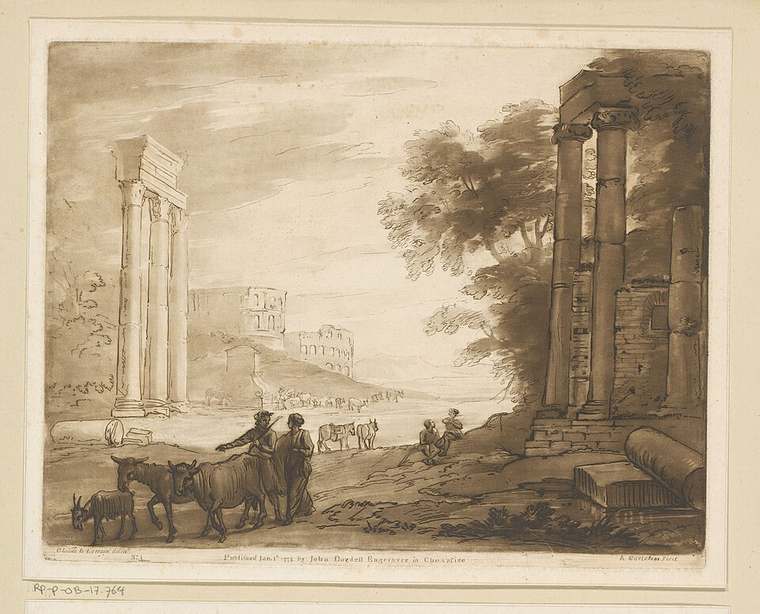 HistoryThe Roman Colosseum opened with one hundred days of gamesEmperor Titus inaugurated the massive stone amphitheatre in 80 CE for gladiatorial spectacles
 HistoryThe Pax Romana maintained stability across the MediterraneanTwo centuries of relative peace allowed trade and Roman culture to expand rapidly
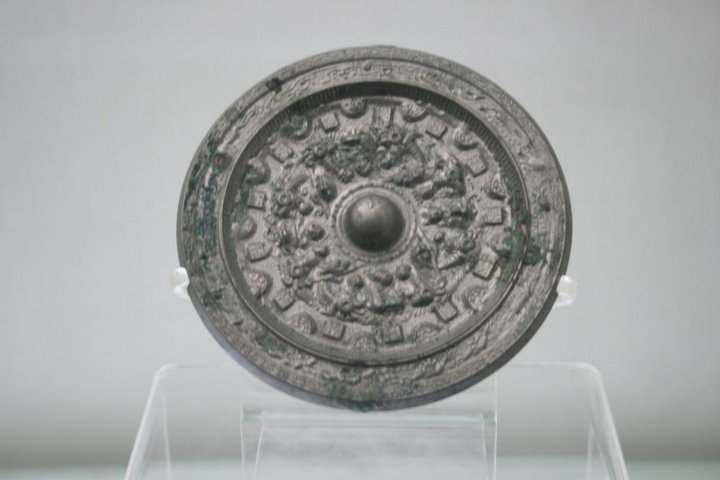 HistoryThe Han Dynasty established the Silk Road trade routeDiplomat Zhang Qian explored Central Asia to connect Chinese merchants with western markets
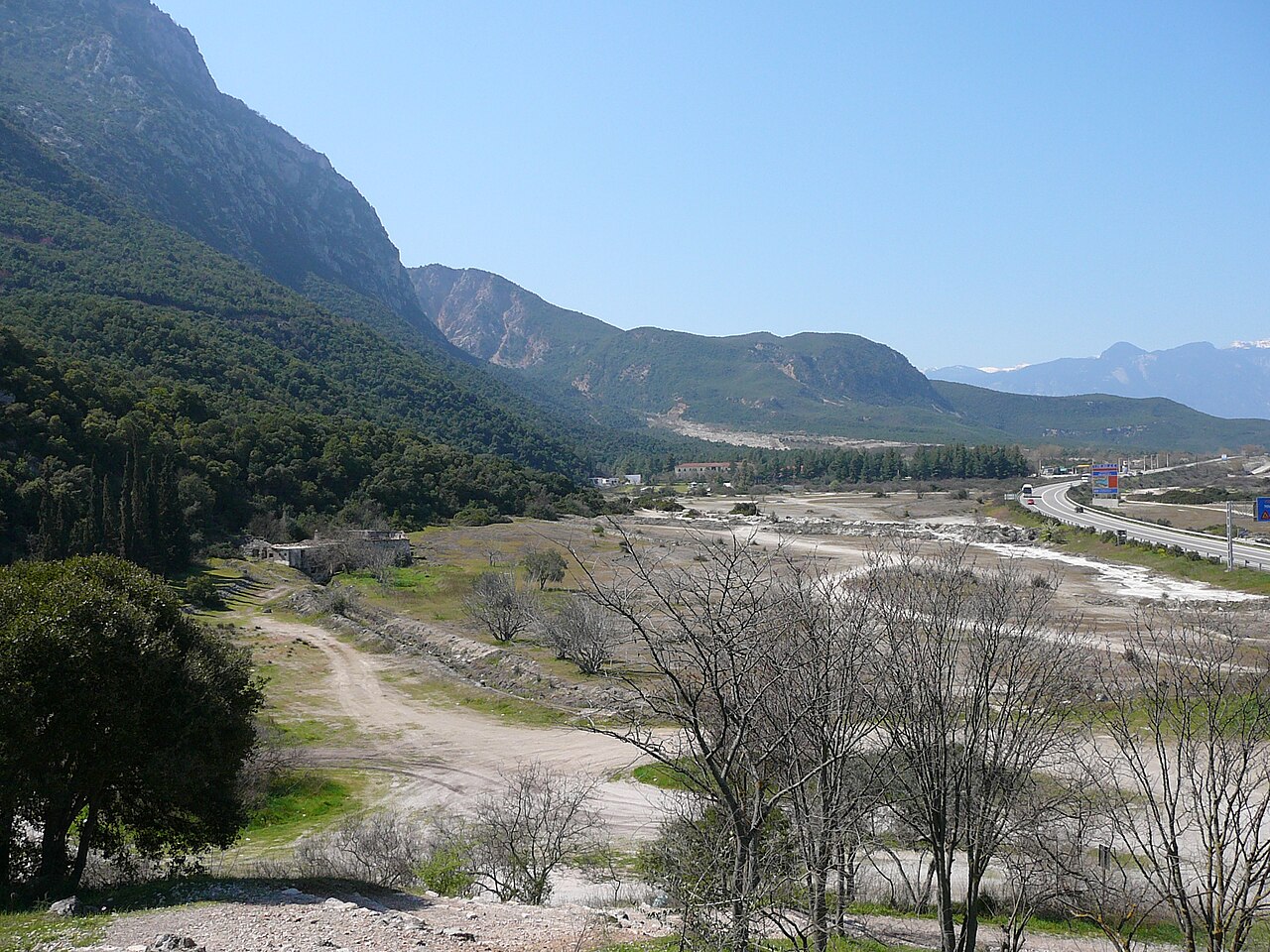 HistorySpartan troops staged a heroic stand at ThermopylaeKing Leonidas led three hundred Spartans to delay a massive Persian invasion force in 480 BCE
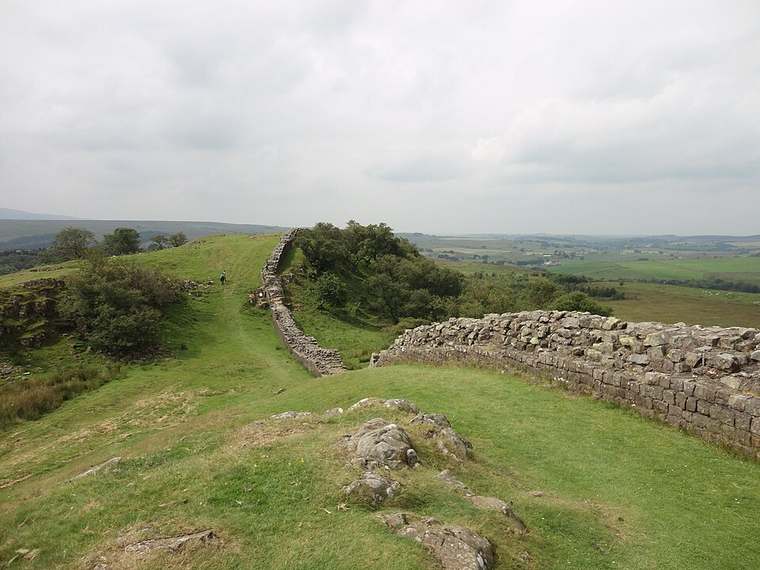 HistoryHadrian's Wall marked the northern border of Roman BritainStone fortifications stretched seventy-three miles across northern Britain from 122 CE
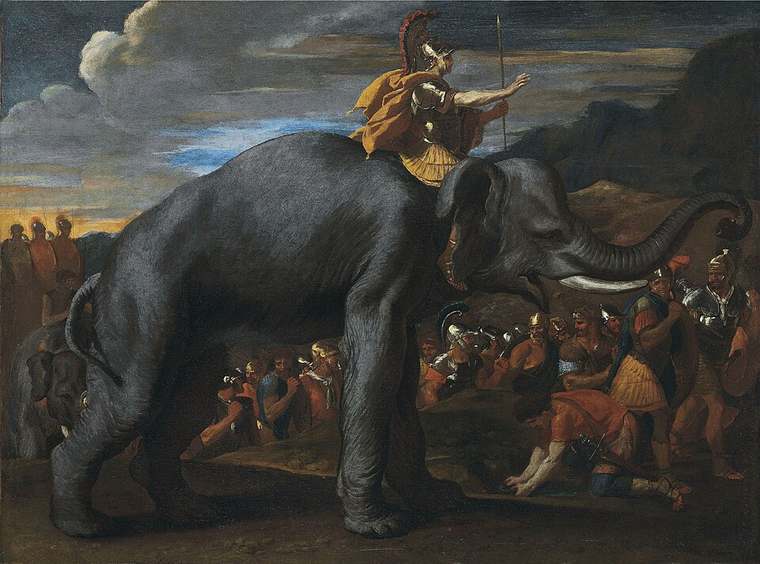 HistoryHannibal crossed the Alps with war elephants to fight RomeCarthaginian general Hannibal Barca invaded Italy by marching army and animals over mountains
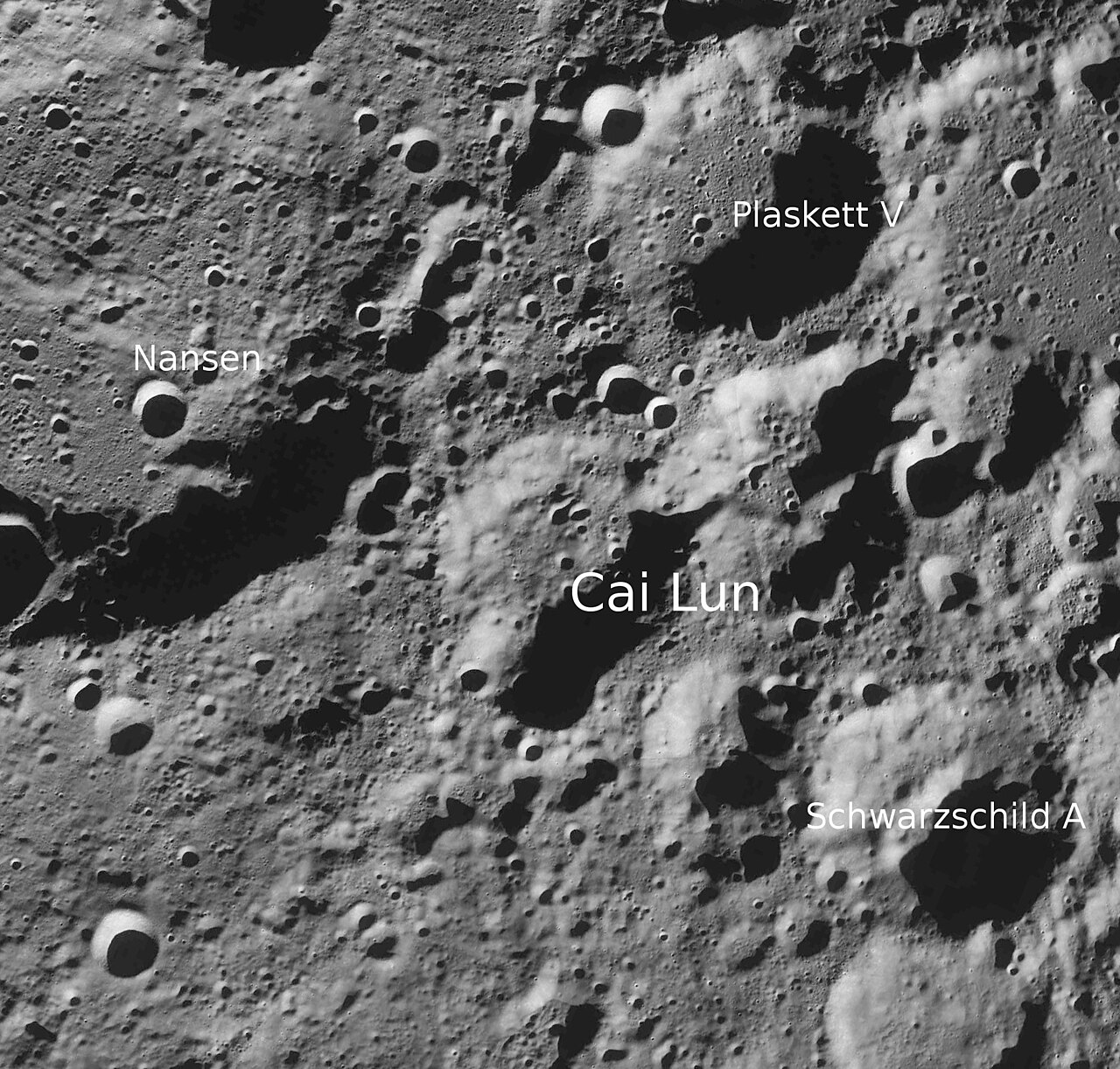 HistoryCai Lun standardized paper making in Han ChinaCourt official Cai Lun created lightweight writing material from plant fibres around 105 CE
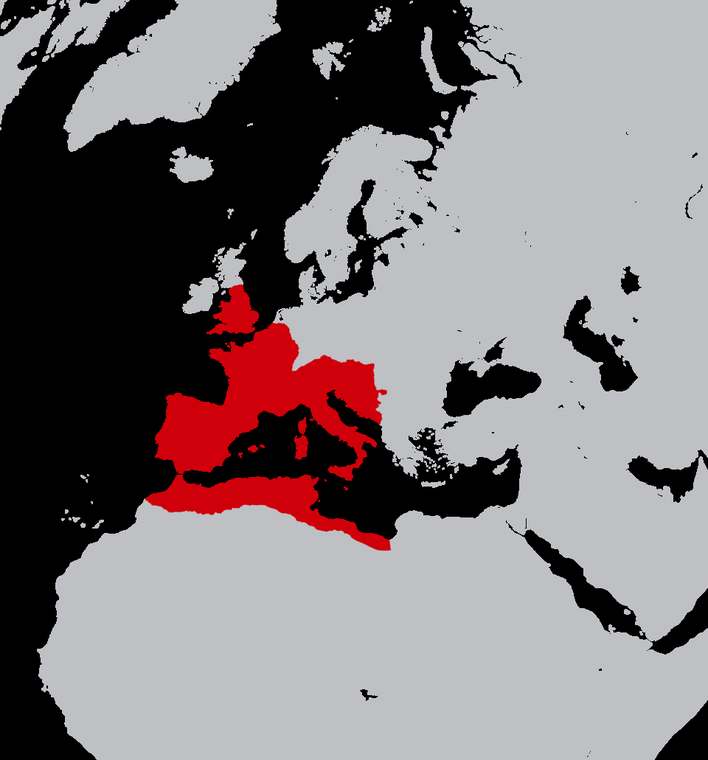 HistoryThe Western Roman Empire fell in 476 CEGermanic chieftain Odoacer deposed teenage Emperor Romulus Augustulus in Ravenna
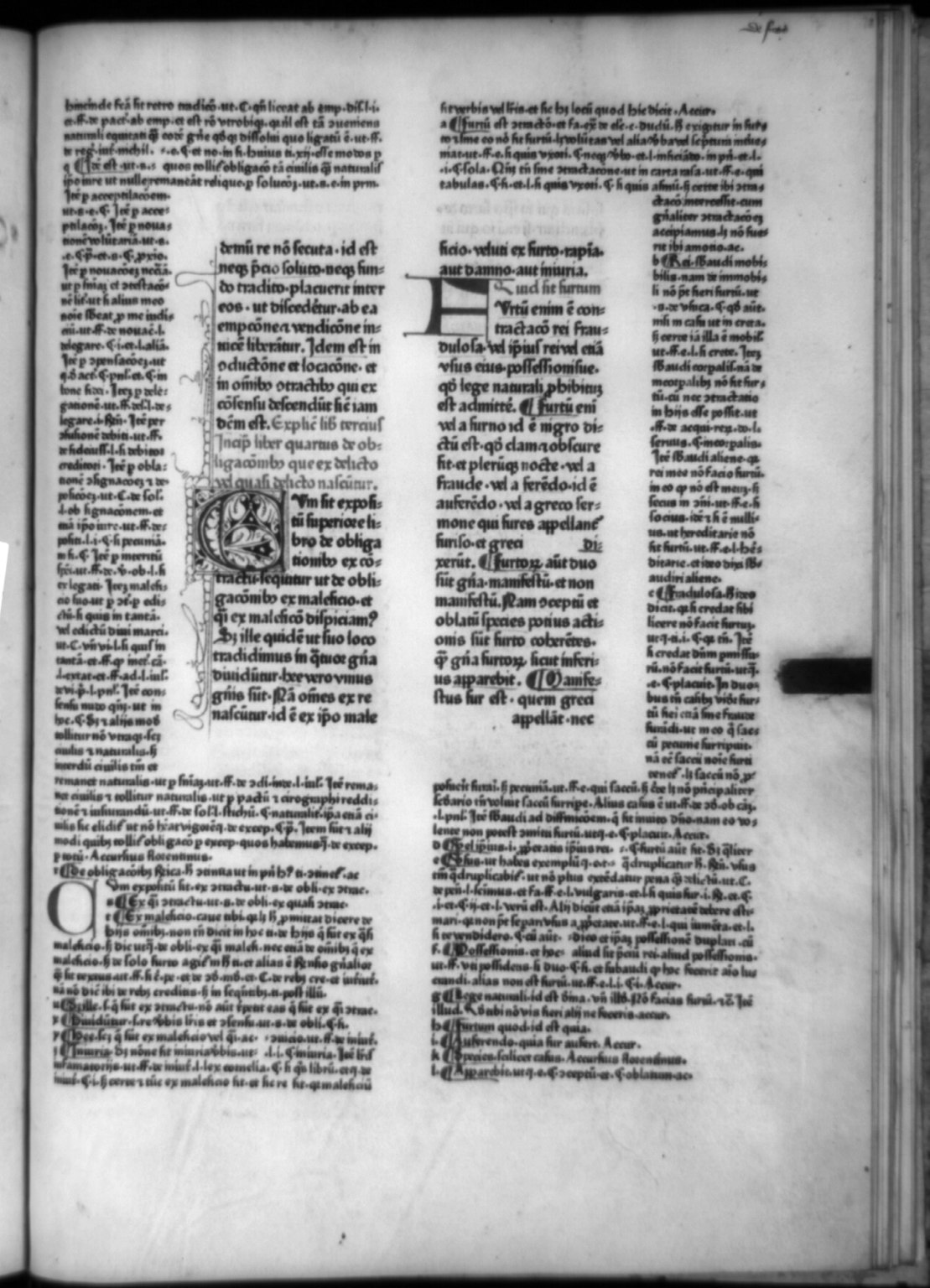 HistoryThe Code of Justinian preserved Roman legal traditionByzantine Emperor Justinian I codified centuries of Roman civil statutes into four volumes
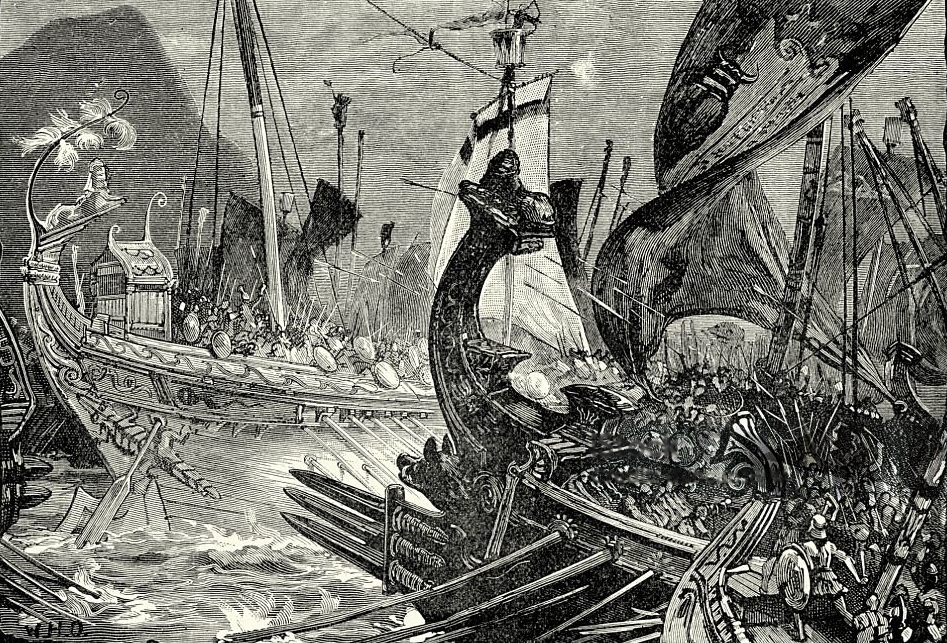 HistoryGreek warships won the decisive naval Battle of SalamisThemistocles lured the heavy Persian fleet into narrow straits in 480 BCEHistoryThe Maya created an accurate long count calendar systemClassic Maya astronomers calculated lunar and solar cycles with mathematical precisionHistoryHarappan cities featured advanced brick drainage networksIndus Valley settlements built grid-pattern streets and covered urban sewers by 2600 BCE
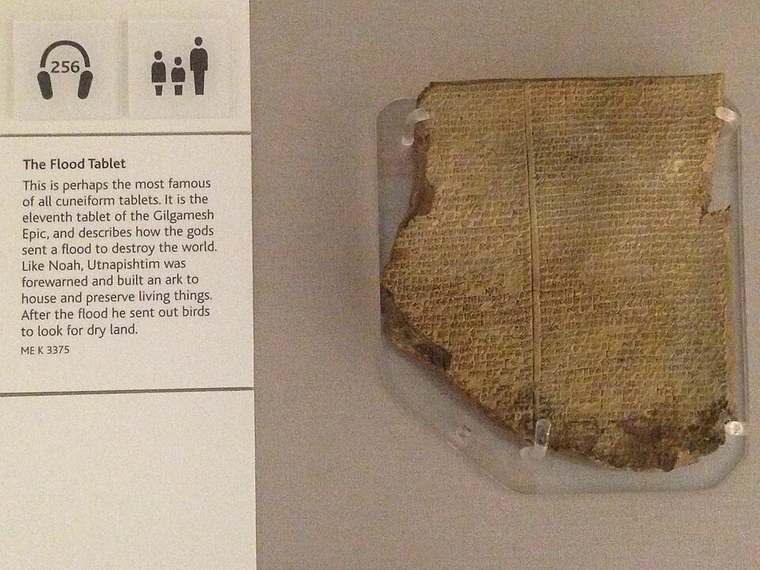 HistoryThe Epic of Gilgamesh is one of the oldest literary worksMesopotamian scribes recorded the heroic quest of King Gilgamesh on clay tabletsHistoryThe Peloponnesian War reshaped ancient Greek politicsAthens and Sparta fought a twenty-seven-year conflict for regional hegemony
All 200 History facts
- The Code of Hammurabi established early written law
- The Rosetta Stone unlocked ancient Egyptian hieroglyphs
- The Great Pyramid of Giza was built for Pharaoh Khufu
- Athenian forces defeated Persia at the Battle of Marathon
- The Cyrus Cylinder recorded ancient imperial tolerance
- The Library of Alexandria gathered ancient world knowledge
- Qin Shi Huang unified China and began the Great Wall
- Emperor Ashoka carved Buddhist edicts across India
- Julius Caesar was assassinated on the Ides of March
- The Edict of Milan granted religious freedom in Rome
- The Roman Colosseum opened with one hundred days of games
- The Pax Romana maintained stability across the Mediterranean
- The Han Dynasty established the Silk Road trade route
- Spartan troops staged a heroic stand at Thermopylae
- Hadrian's Wall marked the northern border of Roman Britain
- Hannibal crossed the Alps with war elephants to fight Rome
- Cai Lun standardized paper making in Han China
- The Western Roman Empire fell in 476 CE
- The Code of Justinian preserved Roman legal tradition
- Greek warships won the decisive naval Battle of Salamis
- The Maya created an accurate long count calendar system
- Harappan cities featured advanced brick drainage networks
- The Epic of Gilgamesh is one of the oldest literary works
- The Peloponnesian War reshaped ancient Greek politics
- Alexander the Great forged an empire from Greece to India
- The Battle of Hastings launched the Norman conquest of England
- King John sealed the Magna Carta at Runnymede in 1215
- The Black Death devastated Eurasia during the fourteenth century
- Sultan Mehmed II conquered Constantinople in 1453
- Bi Sheng invented clay movable type printing in China
- Johannes Gutenberg revolutionized printing with movable metal type
- Mansa Musa displayed immense wealth on his pilgrimage to Mecca
- The Grand Canal of China connected northern and southern rivers
- Zheng He commanded massive Ming Dynasty treasure fleets
- The Domesday Book surveyed land ownership in Norman England
- The House of Wisdom in Baghdad preserved world philosophy
- The Aztecs founded Tenochtitlan on Lake Texcoco in 1325
- Gunpowder was invented by Chinese alchemists during the Tang Dynasty
- The raid on Lindisfarne monastery launched the Viking Age
- The First Crusade ended with the capture of Jerusalem in 1099
- Genghis Khan united nomadic tribes to form the Mongol Empire
- Joan of Arc led French forces to relieve the Siege of Orleans
- The Treaty of Tordesillas divided non-European exploration zones
- Teaching began at Oxford University before the twelfth century
- English longbowmen secured victory at the Battle of Agincourt
- Charles Martel checked the Umayyad advance at the Battle of Tours
- Angkor Wat was constructed as a Hindu temple by Suryavarman II
- Machu Picchu was constructed high in the Andes for Pachacuti
- The Republic of Venice became a Mediterranean maritime powerhouse
- Marco Polo documented seventeen years at the court of Kublai Khan
- Christopher Columbus reached the Americas in October 1492
- Martin Luther sparked the Reformation with his Ninety-five Theses
- The Magellan-Elcano expedition completed the first globe circumnavigation
- The English navy defeated the Spanish Armada in 1588
- Jamestown became the first permanent English settlement in America
- The Edict of Nantes granted religious rights to French Protestants
- The Peace of Westphalia established modern state sovereignty
- The Great Fire of London destroyed the medieval city centre
- Galileo Galilei discovered the four main moons of Jupiter
- Isaac Newton published his universal laws of motion and gravity
- Peter the Great founded St Petersburg as Russia's window to Europe
- The English Bill of Rights curtailed absolute royal authority
- The Continental Congress adopted the US Declaration of Independence
- Parisian citizens stormed the Bastille fortress on 14 July 1789
- The Haitian Revolution created the first independent Black republic
- Admiral Nelson secured British naval supremacy at Trafalgar
- The Battle of Waterloo ended the reign of Napoleon Bonaparte
- Colonists dumped East India Company tea in Boston Harbour
- James Watt patented an efficient separate condenser steam engine
- The Lewis and Clark expedition explored the American West
- Tsar Alexander II emancipated millions of Russian serfs
- The Meiji Restoration transformed Japan into a modern power
- The Suez Canal opened connecting the Mediterranean to the Red Sea
- The First Opium War concluded with the Treaty of Nanking
- Abraham Lincoln delivered the Gettysburg Address in 1863
- The Thirteenth Amendment abolished slavery in the United States
- The Wright brothers achieved the first controlled motor-powered flight
- The RMS Titanic struck an iceberg and sank on its maiden voyage
- The assassination of Archduke Franz Ferdinand triggered World War I
- The October Revolution brought Lenin and Bolsheviks to power
- The Treaty of Versailles formally concluded World War I
- The Nineteenth Amendment guaranteed US women the right to vote
- The Wall Street Crash of 1929 triggered the Great Depression
- Alexander Fleming discovered penicillin in his London laboratory
- The surprise attack on Pearl Harbor drew the US into World War II
- Allied forces landed on Normandy beaches on D-Day
- Fifty nations signed the United Nations Charter in San Francisco
- The Partition of India created two independent nations in 1947
- The UN adopted the Universal Declaration of Human Rights
- The Berlin Airlift supplied West Berlin during the Soviet blockade
- East Germany constructed the Berlin Wall in August 1961
- The Cuban Missile Crisis brought super-powers to nuclear brink
- Apollo 11 landed the first humans on the Moon in July 1969
- The fall of the Berlin Wall heralded the end of the Cold War
- The Soviet Union dissolved into fifteen independent republics
- The Antarctic Treaty set aside an entire continent for peace
- The Marshall Plan financed post-war reconstruction in Europe
- Howard Carter discovered the intact tomb of Tutankhamun
- Smallpox became the first human disease officially eradicated
- The first modern Olympic Games were hosted in Athens in 1896
- Kushite kings ruled Egypt as its twenty-fifth dynasty
- Aksum minted gold coins and raised giant stelae
- Petra was built around a desert water system
- Carthage hid a war harbour behind its merchant port
- Frozen tombs in the Altai preserved Scythian textiles
- Olmec sculptors hauled basalt to carve colossal heads
- Caral is among the oldest cities in the Americas
- Ashurbanipal assembled a library of thirty thousand tablets
- Persian qanats carried water underground for miles
- Srivijaya grew rich by controlling the sea straits
- Great Zimbabwe was built without mortar
- Kadesh treaty is the earliest surviving peace agreement
- Teotihuacan was laid out on a vast planned grid
- Dilmun traded copper and pearls with Mesopotamia
- Camel caravans linked West African gold to the Mediterranean
- The Hanseatic League ran trade from Lübeck to London
- Ibn Battuta travelled for twenty-nine years
- Caravanserais were spaced about a day's travel apart
- The Champagne fairs helped invent paper credit
- Norse Greenland lived on walrus ivory exports
- The tea horse road traded brick tea for horses
- Kilwa grew wealthy on gold from the interior
- The fork reached Europe through a Byzantine bride
- Chopsticks began as cooking tools, not tableware
- Song China printed the first government paper money
- Playing cards travelled from China to Europe
- Buttons with buttonholes changed how clothes fitted
- Spectacles appeared in Italy in the late thirteenth century
- Mechanical clocks began striking in medieval towers
- Ottoman coffeehouses were called schools of wisdom
- Chocolate reached Europe through Spanish courts
- New England ice was shipped as far as Calcutta
- Roman cooks seasoned everything with fermented fish sauce
- Cádiz wrote Spain's first modern constitution
- Britain ended slavery across its empire in 1833
- Abel Tasman sighted New Zealand in 1642
- Captain Cook sailed to time the transit of Venus
- A carpenter's clock solved the longitude problem
- Mercator's projection stretched the globe to help navigators
- Ptolemy's Geography returned as a printed atlas
- Vasco da Gama opened the sea route to India
- The Great Trigonometrical Survey measured all of India
- The Ordnance Survey began by mapping southern England
- Mungo Park reached the Niger and survived captivity
- The Bridgewater Canal halved the price of coal
- Stockton and Darlington was the first public steam railway
- Bessemer process made steel cheap enough to build with
- Cromford Mill started the water powered factory system
- Coalbrookdale iron bridge was the first of its kind
- John Snow traced cholera to a single water pump
- Chadwick's sanitary report linked filth to early death
- Bazalgette built London's sewers after the Great Stink
- Semmelweis cut deaths by ordering handwashing
- Jenner used cowpox to block smallpox
- The Factory Act of 1833 limited child labour
- The Reform Act of 1832 redrew British constituencies
- The Penny Black was the first adhesive postage stamp
- Morse sent the first public telegraph message
- A submarine cable joined Europe and America in 1866
- Chappe's semaphore network spanned France
- The Linotype set whole lines of type at once
- Poggio recovered lost classical texts from monasteries
- Vindolanda tablets preserved everyday Roman army mail
- Papyri survived in an Egyptian rubbish dump
- The 1918 influenza pandemic killed more than the war
- Turkey became a republic under Mustafa Kemal
- Insulin was first given to a patient in 1922
- Ghana gained independence under Kwame Nkrumah
- The Montgomery bus boycott lasted 381 days
- Salk's polio vaccine was declared effective in 1955
- Carbon dating gave archaeology an absolute clock
- Tree rings can date timber to the exact year
- Stratigraphy reads a site one layer at a time
- Ice cores store a year by year climate record
- Pollen grains reveal vanished landscapes
- Ancient DNA revealed migrations no written record kept
- Lidar revealed whole cities under jungle canopy
- Aerial photography exposed fields nobody had noticed
- Palaeography dates documents from their handwriting
- Coins give archaeologists a firm date for a layer
- Oral history recorded voices missing from the papers
- Archives hold what clerks chose to keep
- Steam engines grew efficient by expanding steam twice
- Wood pulp made newspapers cheap enough for everyone
- Braille turned a military code into reading
- Lithography let printers work straight from drawings
- Newsreels showed cinema audiences the wider world
- The Xinhai Revolution ended two thousand years of emperors
- Nuremberg trials held individuals accountable under international law
- The WHO constitution defined health very broadly
- The Geneva Conventions set rules for armed conflict
- Six nations pooled coal and steel in 1951
- The Suez Crisis exposed the limits of empire
- New wheat varieties doubled harvests in Asia
- The Helsinki Accords tied human rights to borders
- Solidarity forced the first free Polish elections
- The Chernobyl accident changed nuclear safety law
- The World Wide Web was given away for free
- Hong Kong returned to China in 1997
- South Africa's first universal election ended apartheid
Test what you know
Turn these facts into a quiz: History trivia questions, with an explanation after every answer.
More fact shelves
Questions people ask
- How many history facts are there?
- 200, each with a named source and a link to it. People, dates and turning points from the distant past to the last century.
- Where do these facts come from?
- Mostly primary sources: NASA, the ESA, museums, universities and peer-reviewed papers. A fact is only published here once a source can be linked, and the wording is written fresh rather than copied.
- Can I read them in one sitting?
- The page lists the newest first and the search box narrows by word. Every fact links onward to a quiz, game or calculator on the same subject, so it works as a browse or as a jumping-off point.