Mondo Knows Facts
Galileo Galilei discovered the four main moons of Jupiter
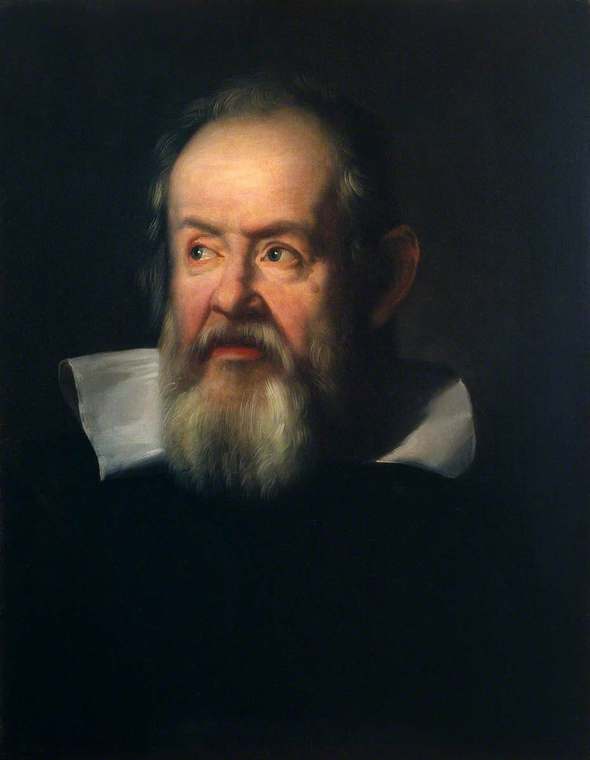
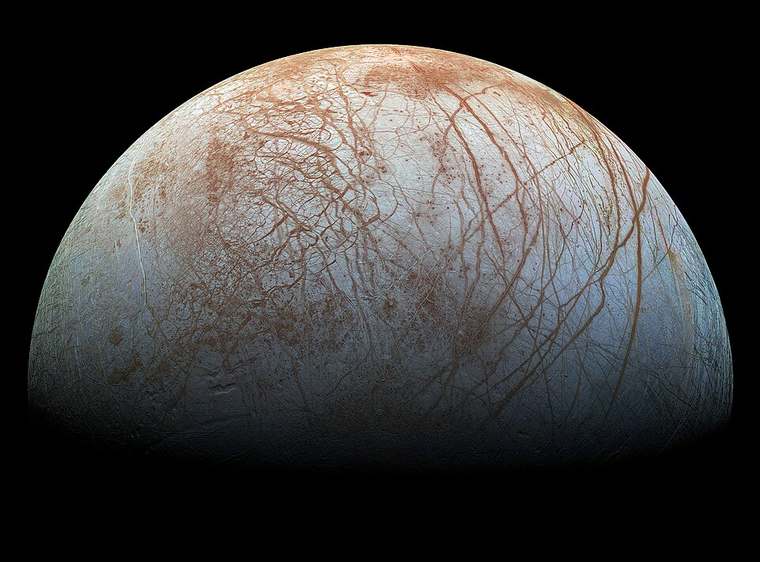
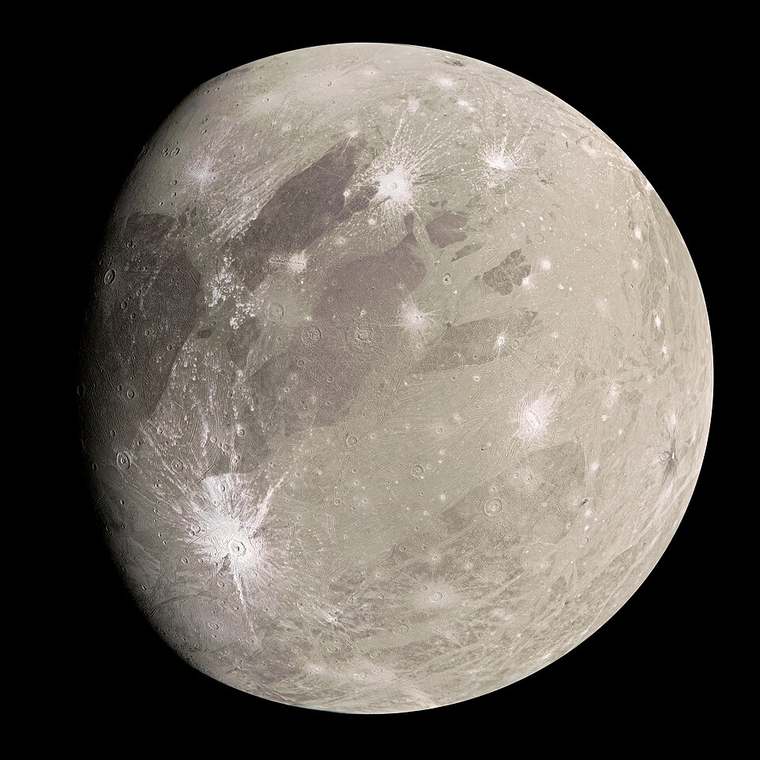
Telescopic observations in 1610 provided direct evidence against geocentrism In early 1610, Italian astronomer Galileo Galilei pointed an improved telescope toward Jupiter and identified four orbiting moons: Io, Europa, Ganymede, and Callisto. Published in his treatise Sidereus Nuncius, the discovery proved that celestial bodies could orbit planets other than Earth, challenging Aristotelian cosmology. It sits in Mondo's history collection, one of 200 facts that each trace back to the reference below.
Where this comes from
Facts that can change over time are reviewed and updated. If something here looks wrong, Mondo would rather know than be confidently incorrect.
Go further
More facts like this
TechnologyGalileo is the civilian run navigation systemThe European constellation was built for civil authorities rather than a military, and it adds a search and rescue replySpaceGalileo published his telescope drawings in 1610His Sidereus Nuncius showed mountains on the Moon and four moons of JupiterHistoryCaptain Cook sailed to time the transit of VenusThe 1769 expedition to Tahiti was astronomy first and discovery second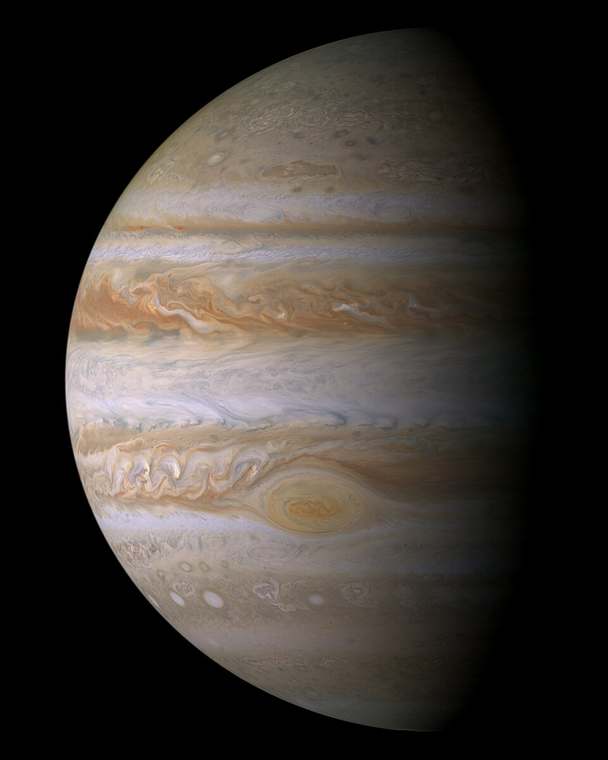 SpaceJupiter has the shortest day of any solar system planetThe gas giant completes a full rotation in under ten hours
 SpaceEuropa may hold twice as much water as all Earth oceans combinedA deep saltwater ocean sits concealed beneath the icy crust of Jupiter moon
 SpaceGanymede is the largest moon in the solar systemJupiter giant satellite is larger than both Mercury and Pluto
SpaceJupiter has the shortest day of any solar system planetThe gas giant completes a full rotation in under ten hoursSpaceEuropa may hold twice as much water as all Earth oceans combinedA deep saltwater ocean sits concealed beneath the icy crust of Jupiter moonSpaceGanymede is the largest moon in the solar systemJupiter giant satellite is larger than both Mercury and Pluto🏛️ Historyfact 59 of 200
← → to keep reading, or swipe
Tags: galileo, jupiter, astronomy
Galileo Galilei discovered the four main moons of Jupiter: the short answers
- Where does this come from, and can I check it?
- Telescopic observations in 1610 provided direct evidence against geocentrism. The figure is taken from Encyclopaedia Britannica, which is linked in full on this page. Every fact on Mondo Knows names its source rather than repeating an unsourced claim.
- Is this really a history fact?
- Yes. It sits on the History shelf, one of 2,600 sourced facts grouped into space, animals, the human body, history, science and more. Category pages collect every fact in the same field.
- What else can I read about it?
- The links under the fact point to a quiz, game, puzzle or calculator on the same subject, and the shelf below shows related facts. The wording here is original, and quoted phrases are marked as quotations.