Mondo Knows Facts
200 Human Body Facts, Each One Checked and Sourced
How the body works, from bones to brain. There are 200 human body facts on this shelf, each one short enough to read in a few seconds, each with a named source you can check yourself, and each linking onward to a quiz, game or calculator on the same theme.
Showing the first 24 of 200. Search or pick a shelf to load the rest.
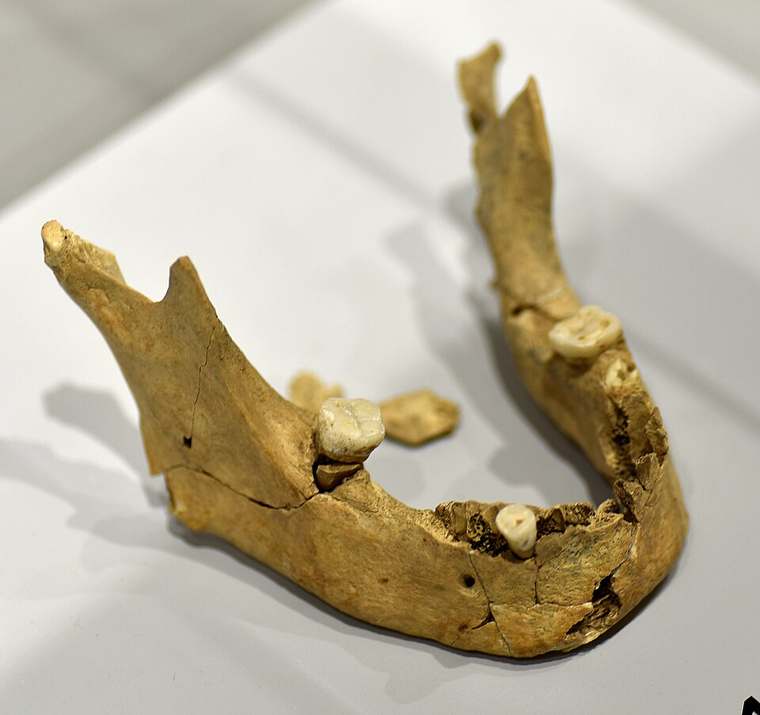 Human BodyAn adult human skeleton consists of 206 bonesInfants are born with around 270 bones which fuse together over childhood
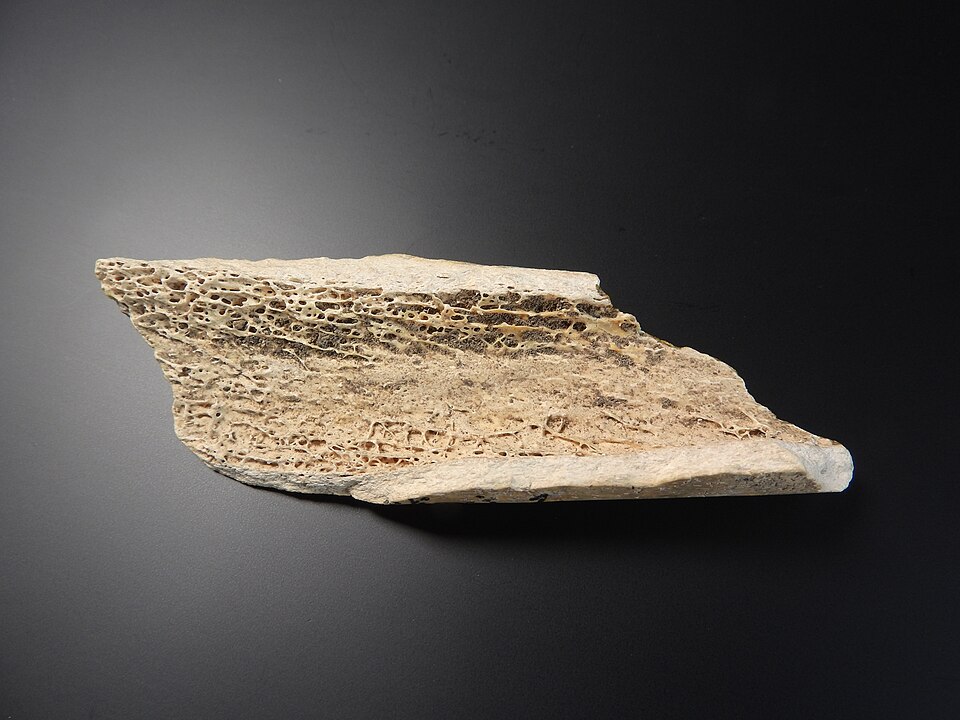 Human BodyThe smallest bone in the human body is inside the earMeasuring just three millimetres long the stapes bone helps transmit sound vibrationsHuman BodyThe femur is the longest and strongest bone in the bodyExtending from the hip to the knee the thigh bone supports most body weightHuman BodyThe hyoid bone does not connect directly to any other boneAnchored only by muscles and ligaments the U-shaped hyoid sits in the neckHuman BodyThe human skeleton replaces its bone tissue every decadeSpecialised cells constantly break down and rebuild bone matrix across the body
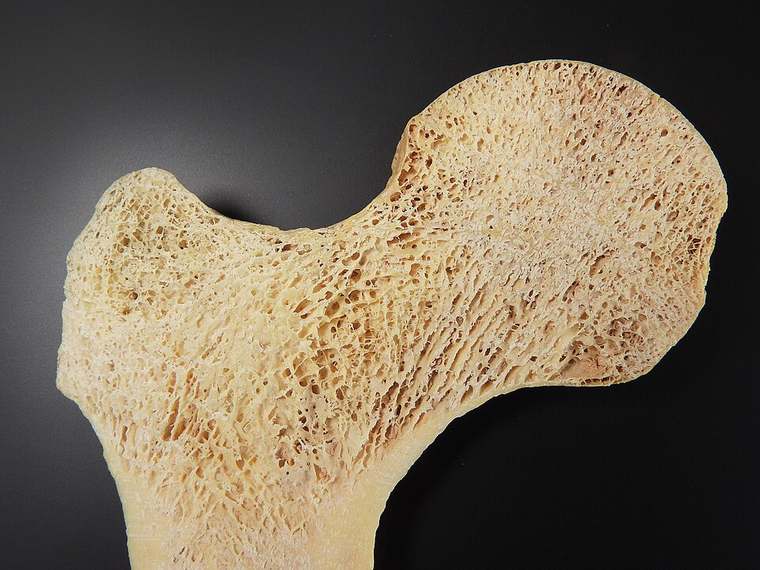 Human BodyOunce for ounce human bone is stronger than steelDense composite structure gives bone extraordinary resistance to compression forces
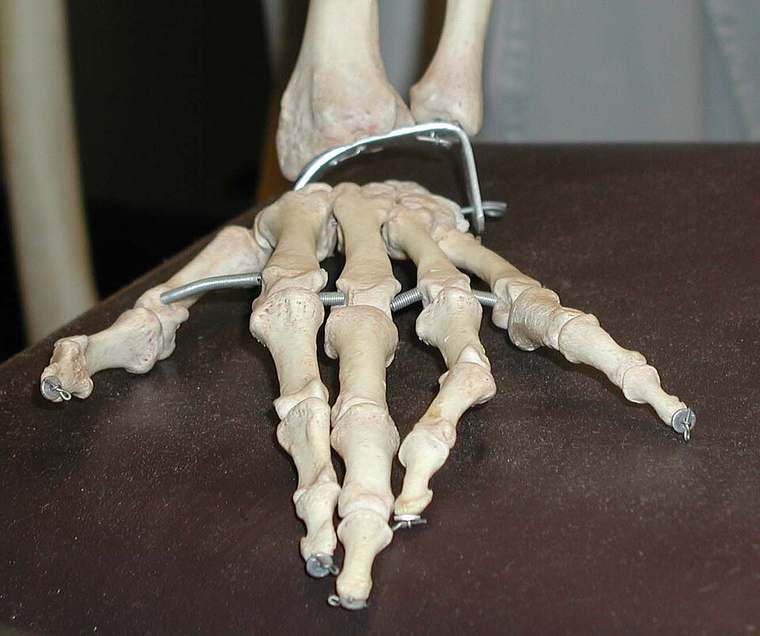 Human BodyMore than half of all human bones are in the hands and feetEach hand contains 27 bones and each foot holds 26 bones for intricate movementHuman BodyThe human rib cage contains twelve pairs of ribsMost ribs join at the sternum while the bottom two pairs float freelyHuman BodyThe gluteus maximus is the largest muscle in the human bodyThis massive hip muscle helps maintain upright posture and powers walkingHuman BodyThe stapedius is the smallest muscle in the human bodyMeasuring barely over one millimetre this tiny muscle protects inner ear hearing
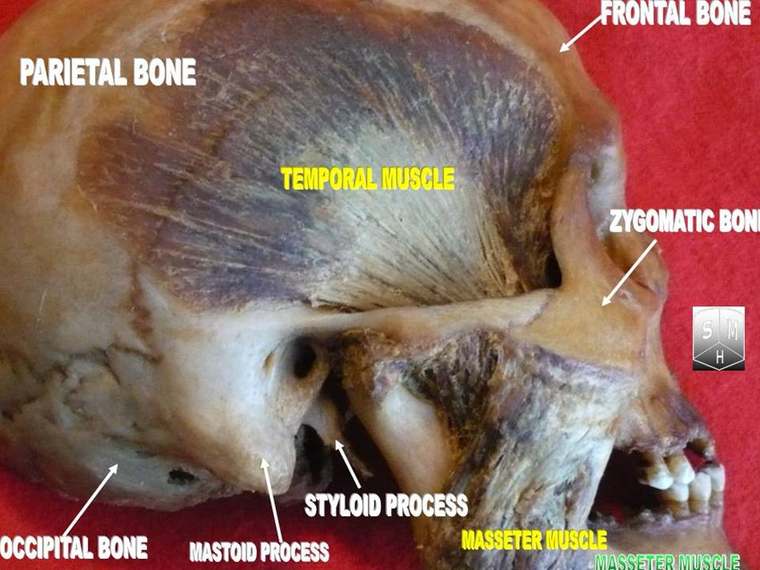 Human BodyThe masseter is the strongest muscle relative to its weightJaw muscles can exert enormous biting forces to crush tough food items
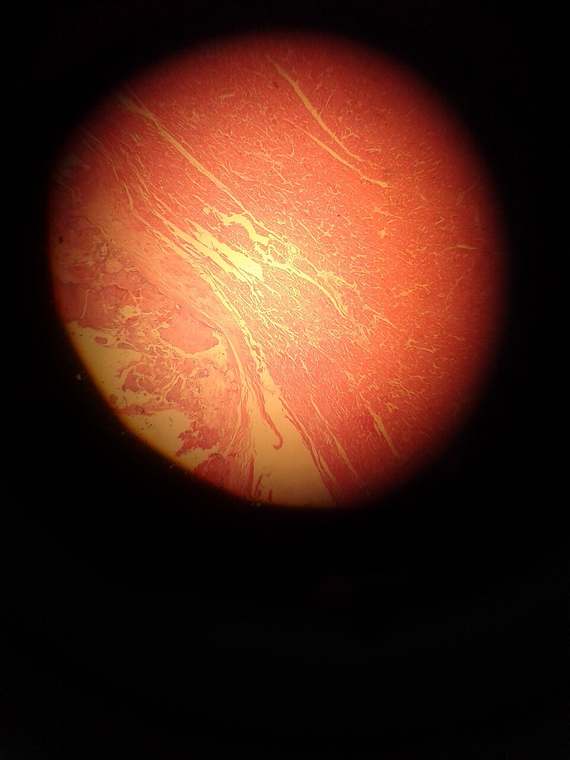 Human BodyHeart cardiac muscle works continuously without fatigueSpecialised myocardial fibres generate rhythmic contractions throughout lifeHuman BodyEye muscles are the most active muscles in the human bodySix delicate muscles move each eye over one hundred thousand times dailyHuman BodyGoosebumps are caused by tiny hair follicle muscles contractingArrector pili muscles pull skin hairs upright in response to cold or emotionHuman BodyThe human tongue is a complex muscular hydrostatEight interwoven muscles allow the tongue to move freely without bony supportHuman BodyShivering generates internal heat through rapid muscle twitchesInvoluntary muscle contractions burn energy to maintain stable body temperature
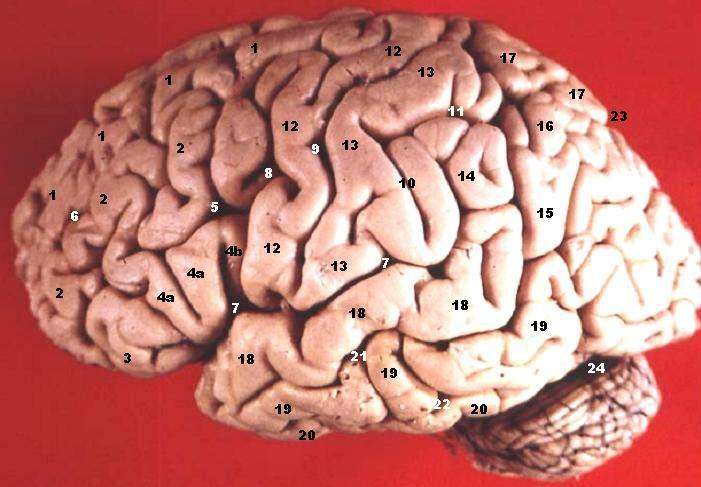 Human BodyThe human brain contains about 86 billion neuronsVast neural networks communicate across trillions of individual synaptic connectionsHuman BodyThe brain consumes twenty percent of the body energyDespite comprising two percent of body weight the brain uses massive metabolic fuelHuman BodyNerve signals can travel up to 120 metres per secondMyelinated nerve fibres transmit electrical signals across the body in millisecondsHuman BodyThe human brain reorganises its structure through neuroplasticityNeural pathways constantly form and strengthen based on learning and experienceHuman BodyBrain tissue itself cannot feel any painSurgeons can perform brain procedures on conscious patients without cerebral discomfortHuman BodyWrinkles in the brain dramatically increase its surface areaFolds called gyri and grooves called sulci fit a large cortex inside the skullHuman BodyThe cerebellum houses over half of the brain neuronsLocated at the base of the skull this dense structure coordinates balanceHuman BodySpinal reflexes act before signals reach the conscious brainNeural pathways in the spinal cord trigger swift protective muscle reactions
All 200 Human Body facts
- An adult human skeleton consists of 206 bones
- The smallest bone in the human body is inside the ear
- The femur is the longest and strongest bone in the body
- The hyoid bone does not connect directly to any other bone
- The human skeleton replaces its bone tissue every decade
- Ounce for ounce human bone is stronger than steel
- More than half of all human bones are in the hands and feet
- The human rib cage contains twelve pairs of ribs
- The gluteus maximus is the largest muscle in the human body
- The stapedius is the smallest muscle in the human body
- The masseter is the strongest muscle relative to its weight
- Heart cardiac muscle works continuously without fatigue
- Eye muscles are the most active muscles in the human body
- Goosebumps are caused by tiny hair follicle muscles contracting
- The human tongue is a complex muscular hydrostat
- Shivering generates internal heat through rapid muscle twitches
- The human brain contains about 86 billion neurons
- The brain consumes twenty percent of the body energy
- Nerve signals can travel up to 120 metres per second
- The human brain reorganises its structure through neuroplasticity
- Brain tissue itself cannot feel any pain
- Wrinkles in the brain dramatically increase its surface area
- The cerebellum houses over half of the brain neurons
- Spinal reflexes act before signals reach the conscious brain
- The pineal gland regulates daily sleep rhythms with melatonin
- Human blood vessels could circle the Earth two and a half times
- The body produces millions of red blood cells every second
- The human heart beats over one hundred thousand times daily
- An average adult body contains about five litres of blood
- The cornea is one of the few body parts without blood vessels
- White blood cells defend the body against infectious pathogens
- Platelets initiate blood clotting to seal broken blood vessels
- Capillary walls are only one single cell layer thick
- Blood plasma is composed of over ninety percent water
- Human lungs have a surface area roughly equal to a tennis court
- The right lung is larger than the left lung
- The diaphragm is the primary muscle responsible for breathing
- An adult breathes in over eleven thousand litres of air daily
- Sneezing expels mucosal particles at high velocity
- Coughing protects lower respiratory airways from blockages
- Yawning helps cool the brain and increase mental alertness
- Nostrils alternate main airflow in a natural cycle
- Stomach acid is strong enough to dissolve soft metals
- The stomach regenerates its mucous lining every few days
- The small intestine measures roughly six metres in length
- The large intestine absorbs water and houses trillions of microbes
- Food travels down the oesophagus using muscular waves
- The human liver can regenerate from a quarter of its original size
- The liver performs over five hundred essential body functions
- The gallbladder stores and concentrates liver-produced bile
- The pancreas produces digestive enzymes and regulatory hormones
- The human body produces over one litre of saliva every day
- Taste buds replace their sensory receptor cells every two weeks
- Skin is the body largest organ by area and weight
- The skin sheds tens of thousands of dead cells every minute
- Fingerprints develop before birth and remain unique for life
- Human scalp hair grows at about one centimetre per month
- Hair and fingernails are composed of the protein keratin
- Melanin determines skin hair and eye colouration
- Fingernails grow almost four times faster than toenails
- The human body contains up to four million sweat glands
- The human retina contains over one hundred million light receptors
- Ciliary muscles alter lens shape instantaneously to focus
- Minor corneal scratches can heal within forty-eight hours
- The human nose can distinguish thousands of distinct scents
- Earwax cleans lubricates and protects the auditory canal
- Cochlear hair cells convert mechanical sound waves to nerve signals
- Proprioception gives the brain awareness of body position in space
- Specialised thermoreceptors detect temperature changes in skin
- The human body is composed of roughly thirty-seven trillion cells
- Billions of body cells die and are replaced every day
- Stretched DNA from a single cell measures about two metres long
- All human DNA combined would reach across the solar system
- Lymph nodes filter interstitial fluid to combat infections
- The spleen recycles old red blood cells and stores platelets
- The thymus gland trains T-cells during early childhood
- Trillions of microbes live symbiotically on and in human bodies
- Adrenaline prepares the body for sudden emergency action
- The thyroid gland regulates overall cellular metabolism rate
- The hypothalamus links the nervous system to the endocrine system
- Oxytocin promotes social bonding trust and maternal attachment
- Cortisol hormone levels peak in the morning to promote waking
- The brain paralyzes major muscles during REM dream sleep
- The brain flushes metabolic waste products while you sleep
- The suprachiasmatic nucleus controls internal body clock rhythms
- Core body temperature drops naturally during night sleep
- Tooth enamel is the hardest substance in the human body
- An adult human set of permanent teeth numbers thirty-two
- Digestion of carbohydrates begins inside the mouth
- Human kidneys filter roughly one hundred eighty litres of blood daily
- Each human kidney contains roughly one million microscopic nephrons
- The human bladder can expand to hold up to half a litre of urine
- Vocal folds vibrate hundreds of times per second to create sound
- Human thermoregulation maintains a core temperature near thirty-seven degrees
- Humans blink up to twenty times every minute to lubricate eyes
- Humans are slightly taller in the morning than at night
- Microscopic dust mites feed on shed human skin flakes
- The liver stores excess blood glucose as glycogen for energy
- The lymphatic system absorbs dietary fats from the digestive tract
- Thick alkaline mucus shields the stomach from self-digestion
- Immunity works through two cooperating defence systems
- Fever comes from a raised internal thermostat setting
- Antibodies are Y-shaped proteins built from four chains
- A second exposure triggers a much faster immune response
- Mast cells release histamine during allergic reactions
- Bone marrow is the factory for every blood cell
- Skin surface is slightly acidic and hostile to microbes
- Tears carry an enzyme that breaks bacterial cell walls
- Most of the immune tissue sits along the gut
- Colon bacteria turn fibre into short-chain fatty acids
- The vagus nerve carries gut signals to the brain
- Pacemaker cells set the rhythm of stomach churning
- Tiny folds give the intestine an enormous surface
- Gut bacteria make a form of vitamin K
- The body recycles most bile acids every day
- Sleep runs in cycles of roughly ninety minutes
- Deep sleep triggers the day's largest growth hormone pulse
- Adenosine builds up in the brain while awake
- Morning light shifts the body clock earlier
- A sudden twitch can strike just as sleep begins
- Two forward-facing eyes create three-dimensional sight
- Each eye has a blind spot where nerves exit
- Light in one eye makes both pupils shrink
- Colour vision depends on three types of cone
- The brain locates sounds by microsecond timing differences
- Three fluid-filled loops report head rotation
- Taste resolves into five basic categories
- Most of what we call flavour comes from smell
- Layered capsules in the skin sense high-frequency vibration
- Internal pain can be felt on the body surface
- Blood groups depend on sugars on red cells
- The rhesus factor is one protein on red cells
- One haemoglobin molecule carries four oxygen molecules
- Blood pressure records two phases of the heartbeat
- Stretch sensors in the neck steady blood pressure
- Valves and calf muscles push blood uphill
- The heart feeds itself through coronary arteries
- The kidneys release a hormone when oxygen runs low
- Most carbon dioxide travels as bicarbonate
- Brain capillaries are sealed by tight junctions
- The hypothalamus signals the pituitary by private blood route
- Clusters of cells in the pancreas control blood sugar
- Hormone levels are held steady by feedback loops
- Four tiny neck glands regulate blood calcium
- Aldosterone tells the kidney to hold on to sodium
- The stomach releases a hormone that builds hunger
- Fat tissue signals the brain through leptin
- Each adrenal gland is two glands in one
- Steroid hormones slip through cell membranes
- Thyroid hormones are built around iodine atoms
- Joints glide on a film of slippery fluid
- Cartilage has no blood vessels or nerves
- The spine starts with thirty-three separate bones
- Each spinal disc has a soft gel centre
- A baby's skull has soft gaps between the plates
- Muscles mix slow and fast twitch fibres
- One nerve cell commands a bundle of muscle fibres
- Muscles shorten as two protein filaments slide
- Spindles inside muscle report sudden stretching
- Sensors in tendons measure how hard a muscle pulls
- Skin makes vitamin D when sunlight strikes it
- A blister is fluid trapped under dead skin
- Repeated friction thickens the outer skin layer
- Each spinal nerve owns a strip of skin
- The kidneys take a quarter of every heartbeat
- The kidney concentrates urine with a salt gradient
- The liver turns nitrogen waste into urea
- A liver protein keeps fluid inside blood vessels
- Broken haemoglobin becomes the pigment bilirubin
- Nerve signals jump between gaps in myelin
- Nerve cells talk across a twenty nanometre gap
- The autonomic system has accelerator and brake branches
- The hippocampus replays the day to build memories
- The amygdala reacts to threats before the cortex
- Nearly all sensory signals pass through the thalamus
- A thick bundle of fibres links the two hemispheres
- Two cortical regions handle speech and comprehension
- The frontal lobe holds plans and restrains impulses
- Working memory holds just a handful of items
- Smell reaches the cortex without a thalamic stop
- The neural tube seals during the fourth week
- A fetal heart starts beating around five weeks
- Fine fetal hair called lanugo is shed before birth
- A soapy film keeps newborn air sacs open
- Placental villi create a vast exchange surface
- Skin loses collagen and elasticity with age
- The lens stiffens with age and loses close focus
- Bone mass peaks in the late twenties
- Hair turns grey as pigment cells dwindle
- Muscle mass falls steadily from middle age
- Sweat cools the body only as it evaporates
- Heat acclimatisation changes how you sweat
- Cold narrows the vessels in fingers and toes
- Brown fat generates heat without shivering
- Tiny sensors in the neck detect falling oxygen
- Living high raises the blood's oxygen carrying capacity
- Rapid pressure change can liberate gas in the blood
- Oxygen use stays high after exercise ends
- Muscle soreness peaks a day or two after effort
- Running low on muscle glycogen brings sudden fatigue
Test what you know
Turn these facts into a quiz: Science trivia questions, with an explanation after every answer.
More fact shelves
Questions people ask
- How many human Body facts are there?
- 200, each with a named source and a link to it. How the body works, from bones to brain.
- Where do these facts come from?
- Mostly primary sources: NASA, the ESA, museums, universities and peer-reviewed papers. A fact is only published here once a source can be linked, and the wording is written fresh rather than copied.
- Can I read them in one sitting?
- The page lists the newest first and the search box narrows by word. Every fact links onward to a quiz, game or calculator on the same subject, so it works as a browse or as a jumping-off point.