Mondo Knows Facts
Bone mass peaks in the late twenties
Skeletal mineral content climbs through youth and then slowly declines in both sexes Bone building outpaces bone removal during growth, with the skeleton adding density until roughly age 25 to 30. After that the balance tips slightly toward removal, and the loss speeds up after menopause because oestrogen supports bone maintenance. Peak mass reached in youth sets the starting point. It sits in Mondo's human body collection, one of 200 facts that each trace back to the reference below.
Where this comes from
Facts that can change over time are reviewed and updated. If something here looks wrong, Mondo would rather know than be confidently incorrect.
Go further
More facts like this
Human BodyHair turns grey as pigment cells dwindleMelanocyte stem cells in the follicle run down, so new hair grows unpigmentedHuman BodyMuscle mass falls steadily from middle ageAfter about thirty, adults lose a small percentage of muscle each decadeHuman BodySkin loses collagen and elasticity with ageCollagen production in the dermis falls while existing fibres become fragmentedHuman BodyThe lens stiffens with age and loses close focusHardening lens proteins make it harder to bend light sharply for nearby objects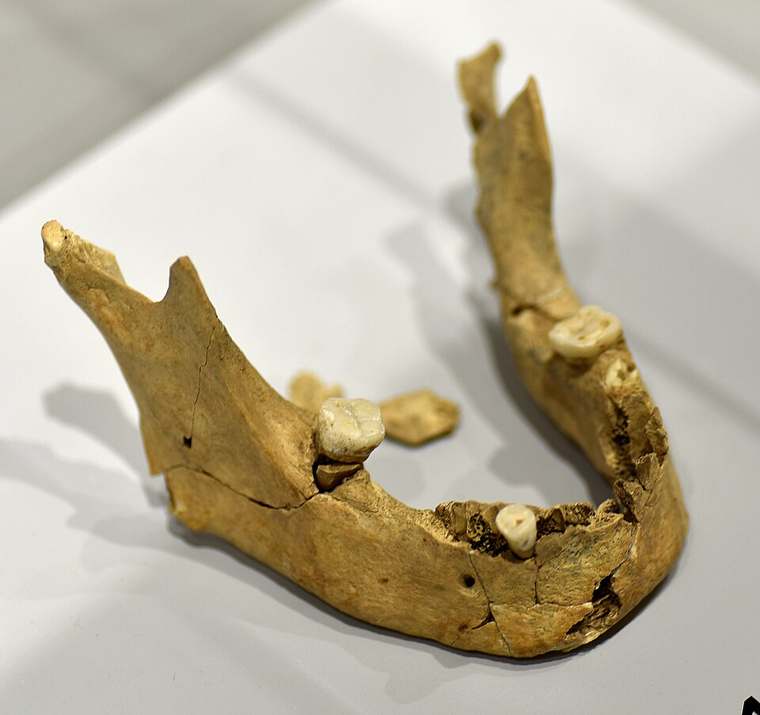 Human BodyAn adult human skeleton consists of 206 bonesInfants are born with around 270 bones which fuse together over childhood
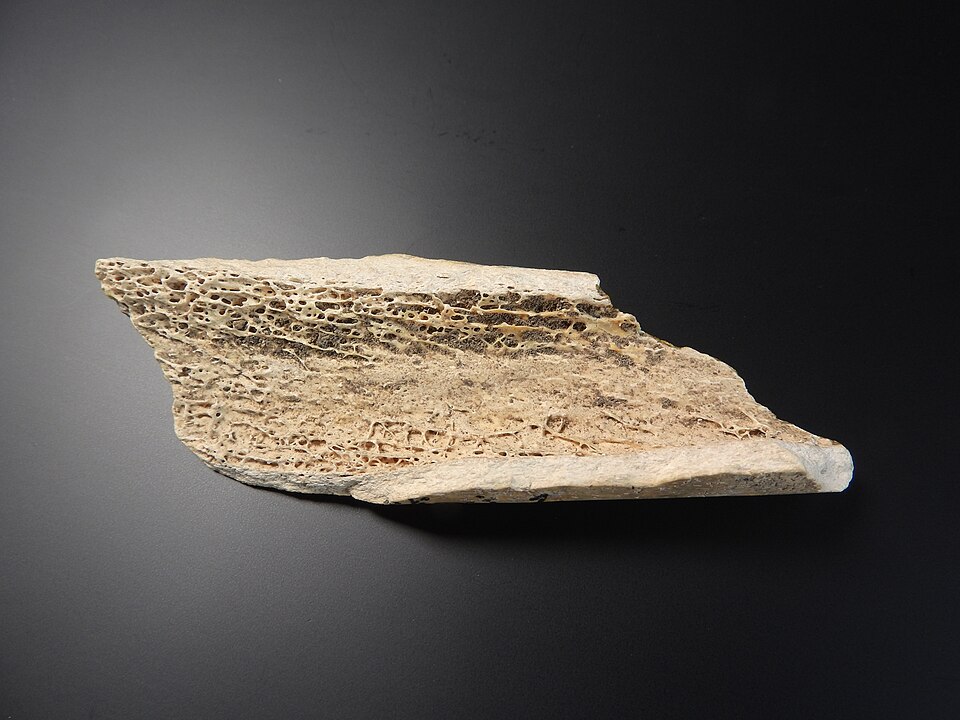 Human BodyThe smallest bone in the human body is inside the earMeasuring just three millimetres long the stapes bone helps transmit sound vibrations
Human BodyAn adult human skeleton consists of 206 bonesInfants are born with around 270 bones which fuse together over childhoodHuman BodyThe smallest bone in the human body is inside the earMeasuring just three millimetres long the stapes bone helps transmit sound vibrations🫀 Human Bodyfact 188 of 200
← → to keep reading, or swipe
Tags: bones, ageing, density
Bone mass peaks in the late twenties: the short answers
- Where does this come from, and can I check it?
- Skeletal mineral content climbs through youth and then slowly declines in both sexes. The figure is taken from NIH, which is linked in full on this page. Every fact on Mondo Knows names its source rather than repeating an unsourced claim.
- Is this really a human body fact?
- Yes. It sits on the Human Body shelf, one of 2,600 sourced facts grouped into space, animals, the human body, history, science and more. Category pages collect every fact in the same field.
- What else can I read about it?
- The links under the fact point to a quiz, game, puzzle or calculator on the same subject, and the shelf below shows related facts. The wording here is original, and quoted phrases are marked as quotations.