Mondo Knows Facts
Hair and fingernails are composed of the protein keratin
Tough structural proteins form non-living outer protective structures Both hair strands and fingernails consist primarily of keratin, a tough fibrous protein also found in outer skin layers. The visible parts of hair and nails are made of non-living dead cells packed with keratin, which explains why cutting them causes no physical pain. It sits in Mondo's human body collection, one of 200 facts that each trace back to the reference below.
Where this comes from
Facts that can change over time are reviewed and updated. If something here looks wrong, Mondo would rather know than be confidently incorrect.
Go further
More facts like this
Human BodyFingernails grow almost four times faster than toenailsGreater blood supply and physical use stimulate faster nail plate growthHuman BodyRepeated friction thickens the outer skin layerPressure prompts extra keratin production, building a tougher surface over timeHuman BodyFine fetal hair called lanugo is shed before birthA downy coat covers the fetus from about twenty weeks and mostly disappears by termHuman BodyHair turns grey as pigment cells dwindleMelanocyte stem cells in the follicle run down, so new hair grows unpigmented Human BodyHuman scalp hair grows at about one centimetre per monthHair follicles cycle through growth rest and shedding phases continuously
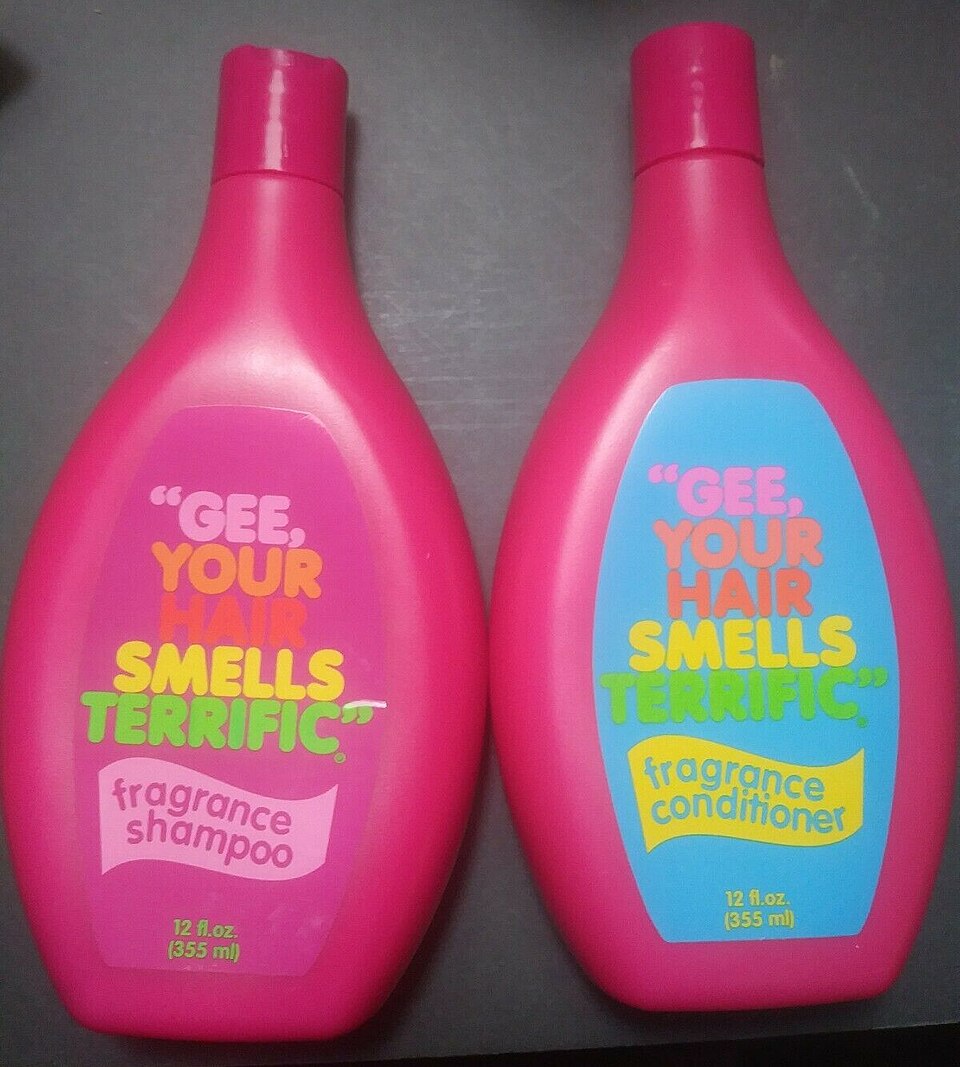 Everyday LifeHair shampoos are formulated slightly acidic to match scalp chemistrySlightly acidic wash formulas protect the scalp's natural protective barrier
Human BodyHuman scalp hair grows at about one centimetre per monthHair follicles cycle through growth rest and shedding phases continuouslyEveryday LifeHair shampoos are formulated slightly acidic to match scalp chemistrySlightly acidic wash formulas protect the scalp's natural protective barrier🫀 Human Bodyfact 58 of 200
← → to keep reading, or swipe
Tags: keratin, hair, nails
Hair and fingernails are composed of the protein keratin: the short answers
- Where does this come from, and can I check it?
- Tough structural proteins form non-living outer protective structures. The figure is taken from Encyclopaedia Britannica, which is linked in full on this page. Every fact on Mondo Knows names its source rather than repeating an unsourced claim.
- Is this really a human body fact?
- Yes. It sits on the Human Body shelf, one of 2,600 sourced facts grouped into space, animals, the human body, history, science and more. Category pages collect every fact in the same field.
- What else can I read about it?
- The links under the fact point to a quiz, game, puzzle or calculator on the same subject, and the shelf below shows related facts. The wording here is original, and quoted phrases are marked as quotations.