Mondo Knows Facts
Braille turned a military code into reading
Louis Braille adapted a raised dot system invented for night battlefield messages Charles Barbier devised raised dots so soldiers could read messages in darkness, but his code was complicated to touch. Louis Braille, blind from childhood, reworked it into six dot cells representing letters, numbers and music, published in 1829. The system spread slowly through schools but is still the standard tactile script. It sits in Mondo's history collection, one of 200 facts that each trace back to the reference below.
Where this comes from
National Federation of the Blind
Facts that can change over time are reviewed and updated. If something here looks wrong, Mondo would rather know than be confidently incorrect.
Go further
More facts like this
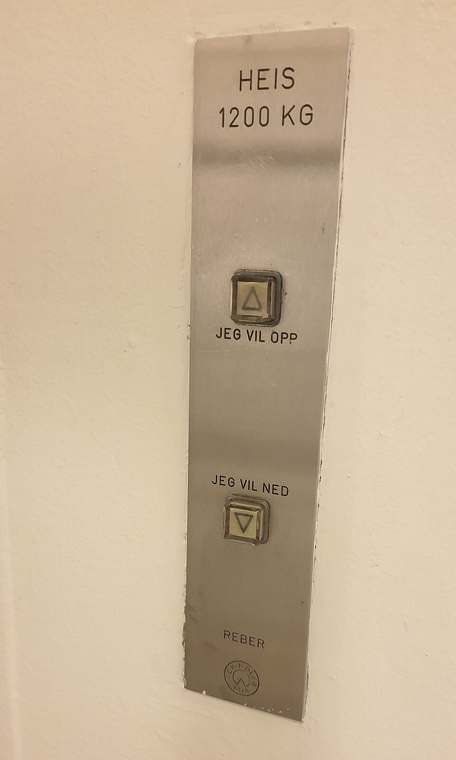 Everyday LifeElevator buttons feature raised tactile numbers and Braille textTactile markings and audio signals assist visually impaired lift passengers
 Everyday LifePedestrian crossing boxes feature spinning tactile cones underneathRotating underside cones notify deaf-blind pedestrians when crossing signals turn greenEveryday LifeBlister dots on paving warn of an edge aheadRaised domes underfoot signal a kerb, platform edge or crossing pointMovies & TVCeefax carried the first regular TV subtitlesThe BBC slipped subtitle pages into spare lines of the broadcast signal from 1979Movies & TVClosed captions rode in an invisible lineAmerican captions were coded into line 21 of the vertical blanking intervalMovies & TVSDH captions also describe the soundsLabels in brackets tell a deaf viewer about music, laughter or a door slamming
← → to keep reading, or swipe
Tags: braille, literacy, accessibility
Braille turned a military code into reading: the short answers
- Where does this come from, and can I check it?
- Louis Braille adapted a raised dot system invented for night battlefield messages. The figure is taken from National Federation of the Blind, which is linked in full on this page. Every fact on Mondo Knows names its source rather than repeating an unsourced claim.
- Is this really a history fact?
- Yes. It sits on the History shelf, one of 2,600 sourced facts grouped into space, animals, the human body, history, science and more. Category pages collect every fact in the same field.
- What else can I read about it?
- The links under the fact point to a quiz, game, puzzle or calculator on the same subject, and the shelf below shows related facts. The wording here is original, and quoted phrases are marked as quotations.