Mondo Knows Facts
Lithography let printers work straight from drawings
Alois Senefelder's grease on limestone process spread art to cheap posters Alois Senefelder invented lithography around 1796 after experimenting with limestone and greasy ink. Because the image sits on the surface rather than being carved, artists could draw directly and printers could reproduce the marks faithfully. Commercial colour lithography later produced posters, packaging and mass market prints. It sits in Mondo's history collection, one of 200 facts that each trace back to the reference below.
Where this comes from
The Metropolitan Museum of Art
Facts that can change over time are reviewed and updated. If something here looks wrong, Mondo would rather know than be confidently incorrect.
Go further
More facts like this
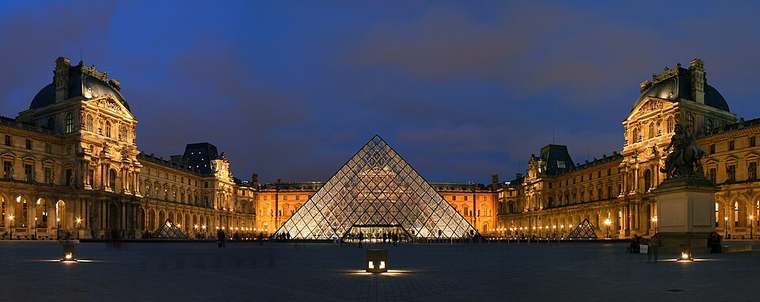 Records & ExtremesThe Louvre is the most visited museum in the worldIt received close to nine million visitors in a typical recent yearHistoryBi Sheng invented clay movable type printing in ChinaSong Dynasty artisan Bi Sheng crafted individual ceramic character tiles around 1040 CEHistoryThe Linotype set whole lines of type at onceOttmar Mergenthaler's machine cast slug by slug and replaced hand compositorsHistoryWood pulp made newspapers cheap enough for everyoneGround timber replaced rag paper in the 1840s with Friedrich Keller's grinding process
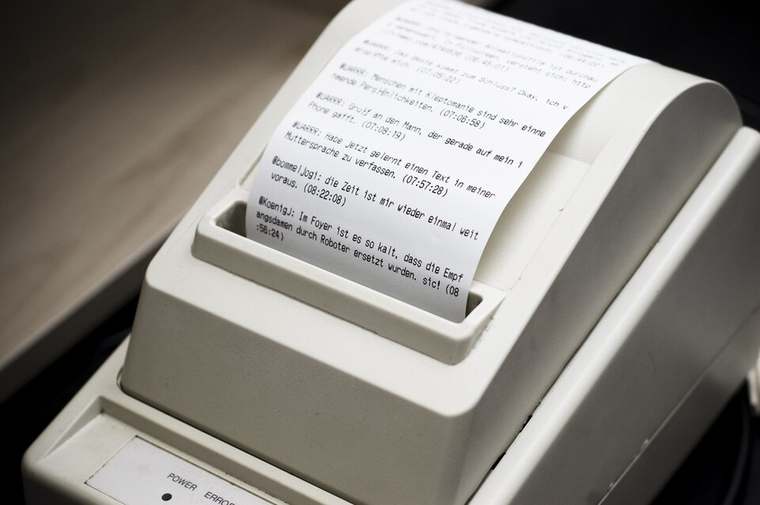 Everyday LifeReceipt printers use heat-sensitive paper coated with leuco dyeTargeted thermal pulses turn chemical paper coatings black to print receipt text
← → to keep reading, or swipe
Tags: lithography, printing, art
Lithography let printers work straight from drawings: the short answers
- Where does this come from, and can I check it?
- Alois Senefelder's grease on limestone process spread art to cheap posters. The figure is taken from The Metropolitan Museum of Art, which is linked in full on this page. Every fact on Mondo Knows names its source rather than repeating an unsourced claim.
- Is this really a history fact?
- Yes. It sits on the History shelf, one of 2,600 sourced facts grouped into space, animals, the human body, history, science and more. Category pages collect every fact in the same field.
- What else can I read about it?
- The links under the fact point to a quiz, game, puzzle or calculator on the same subject, and the shelf below shows related facts. The wording here is original, and quoted phrases are marked as quotations.