Mondo Knows Facts
Buttons with buttonholes changed how clothes fitted
Fasteners that actually closed a garment appeared in thirteenth century Germany Buttons existed in antiquity mainly as ornaments, sewn on but never passed through a slit. Around the thirteenth century, German tailors began cutting buttonholes, which allowed garments to be snug and adjustable. The innovation spread with fitted sleeves and doublets, and it made tailored clothing practical across Europe. It sits in Mondo's history collection, one of 200 facts that each trace back to the reference below.
Where this comes from
The Metropolitan Museum of Art
Facts that can change over time are reviewed and updated. If something here looks wrong, Mondo would rather know than be confidently incorrect.
Go further
More facts like this
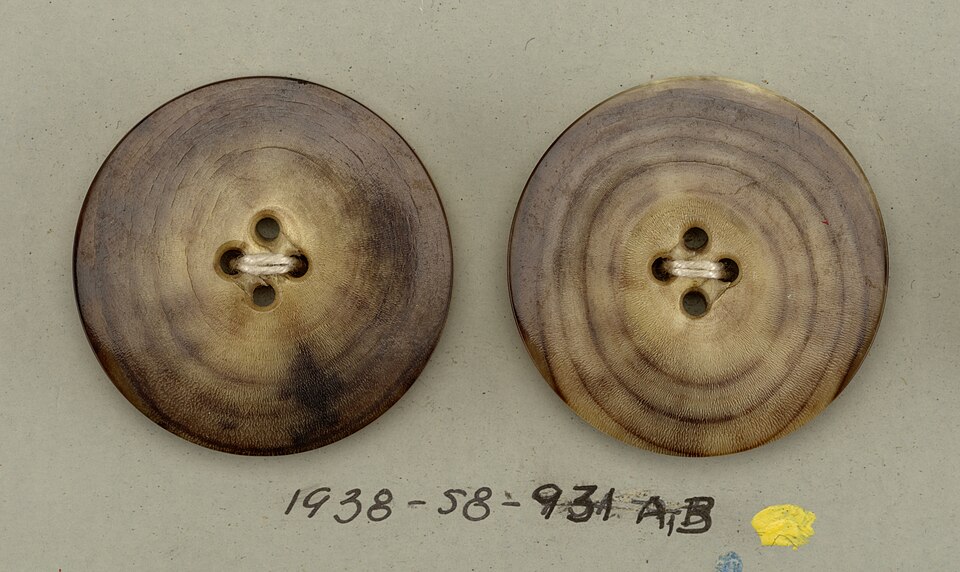 Everyday LifeFour hole buttons let you choose the stitch patternThe extra holes allow a cross or parallel thread that spreads the loadHistoryMechanical clocks began striking in medieval towersAn escapement regulated falling weights and let towns keep time through the nightRecords & ExtremesSalisbury Cathedral has the oldest working clockThe iron mechanism inside the cathedral has struck hours since about 1386MusicThe five line staff is a medieval inventionGuido d'Arezzo's teaching methods led to the notation still in useMusicPlainchant is built from a set of modesEach mode fixes a pattern of steps and a characteristic tone of emphasis
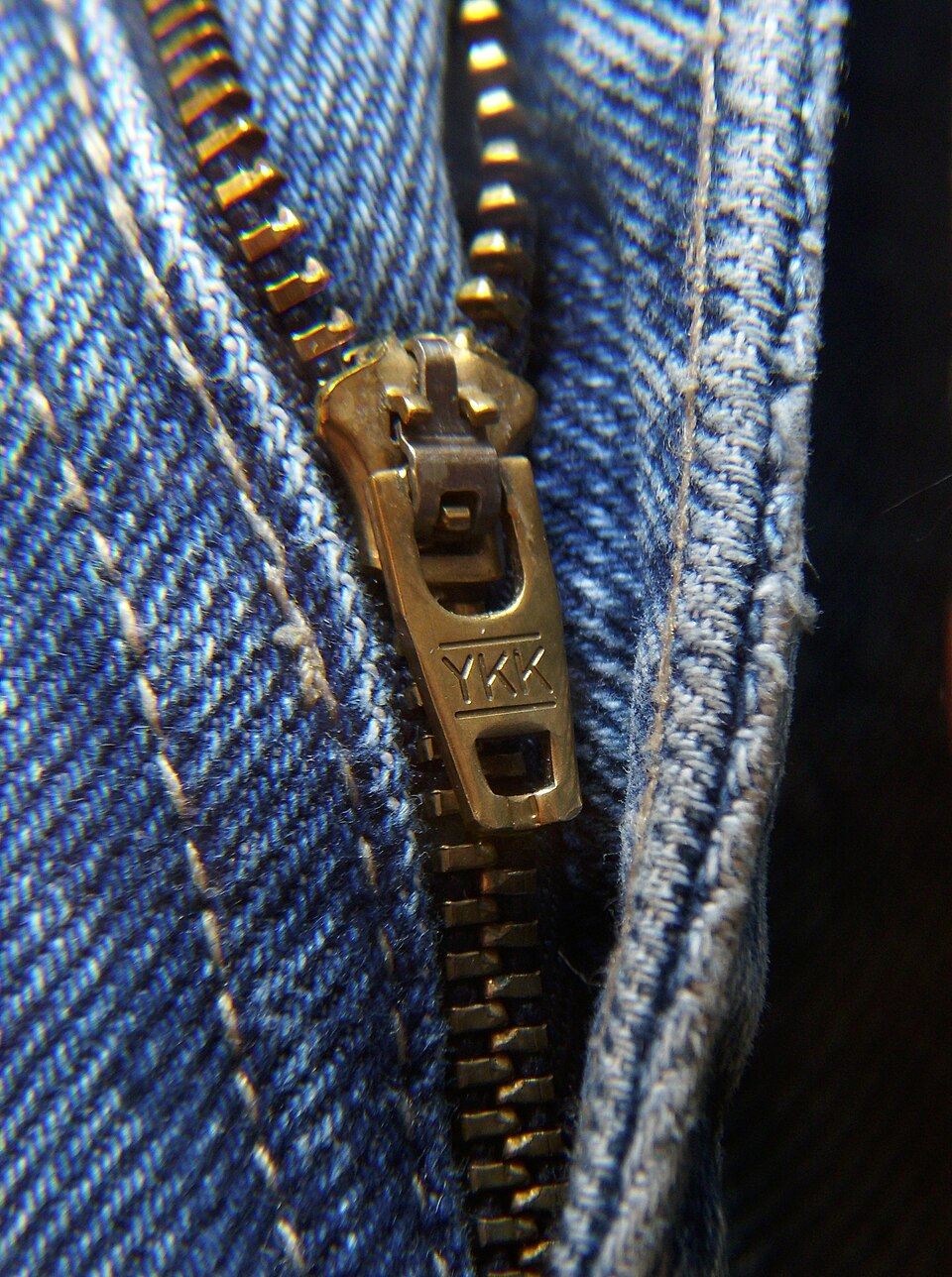 Everyday LifeYKK on zippers stands for a Japanese manufacturing companyThe world's largest zipper maker uses the initials of its founder's business
← → to keep reading, or swipe
Tags: buttons, clothing, medieval
Buttons with buttonholes changed how clothes fitted: the short answers
- Where does this come from, and can I check it?
- Fasteners that actually closed a garment appeared in thirteenth century Germany. The figure is taken from The Metropolitan Museum of Art, which is linked in full on this page. Every fact on Mondo Knows names its source rather than repeating an unsourced claim.
- Is this really a history fact?
- Yes. It sits on the History shelf, one of 2,600 sourced facts grouped into space, animals, the human body, history, science and more. Category pages collect every fact in the same field.
- What else can I read about it?
- The links under the fact point to a quiz, game, puzzle or calculator on the same subject, and the shelf below shows related facts. The wording here is original, and quoted phrases are marked as quotations.