Mondo Knows Facts
Pit vipers see thermal infrared radiation in pitch darkness
Sensitive pit organs between eyes and nostrils detect heat differences. Rattlesnakes and other pit vipers feature specialized loreal pits containing thin membranes lined with temperature-sensitive nerve endings. These pit organs detect thermal radiation differences as tiny as 0.003 degrees Celsius, creating an accurate infrared map of warm-blooded prey. It sits in Mondo's animals collection, one of 200 facts that each trace back to the reference below.

Where this comes from
Facts that can change over time are reviewed and updated. If something here looks wrong, Mondo would rather know than be confidently incorrect.
Go further
More facts like this
 AnimalsGalapagos marine iguanas sneeze out excess ocean saltSpecial cranial glands filter salt swallowed during underwater grazing.
 AnimalsPythons swallow prey whole by flexing independent jaw bonesFlexible quadrate bones and elastic ligaments let python jaws stretch wide.
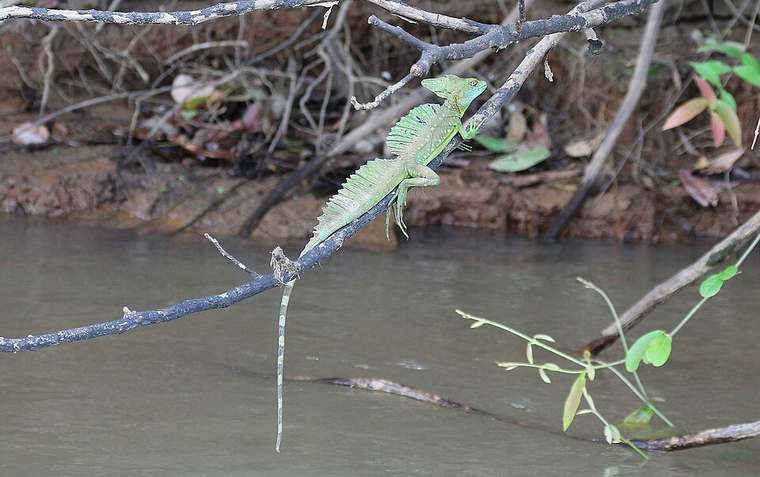 AnimalsThe common basilisk lizard can sprint across water surfacesFringed toes and rapid strides allow the lizard to run on water.
 AnimalsDraco lizards glide through rainforest canopy using elongated ribsUnfolding wing-like membranes let Draco lizards glide eighty metres.
 AnimalsA chameleon's tongue fires like a catapultIt reaches prey in about a twentieth of a second
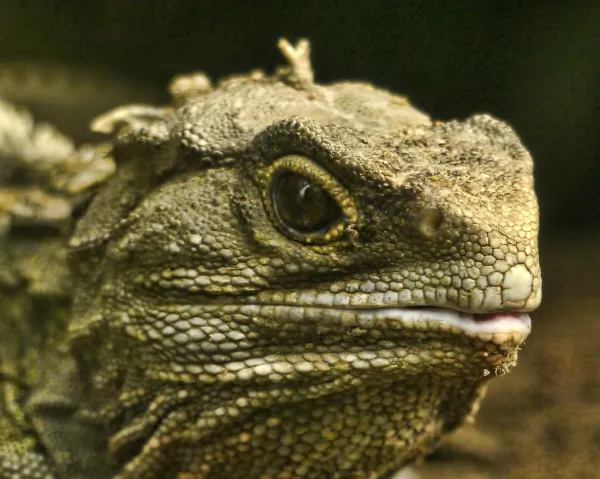 AnimalsThe tuatara has a third eye on its headThe parietal eye has a lens and retina but only senses light levels
🐾 Animalsfact 54 of 200
← → to keep reading, or swipe
Tags: viper, reptiles, infrared
Pit vipers see thermal infrared radiation in pitch darkness: the short answers
- Where does this come from, and can I check it?
- Sensitive pit organs between eyes and nostrils detect heat differences. The figure is taken from Encyclopædia Britannica, which is linked in full on this page. Every fact on Mondo Knows names its source rather than repeating an unsourced claim.
- Is this really a animals fact?
- Yes. It sits on the Animals shelf, one of 2,600 sourced facts grouped into space, animals, the human body, history, science and more. Category pages collect every fact in the same field.
- What else can I read about it?
- The links under the fact point to a quiz, game, puzzle or calculator on the same subject, and the shelf below shows related facts. The wording here is original, and quoted phrases are marked as quotations.