Mondo Knows Facts
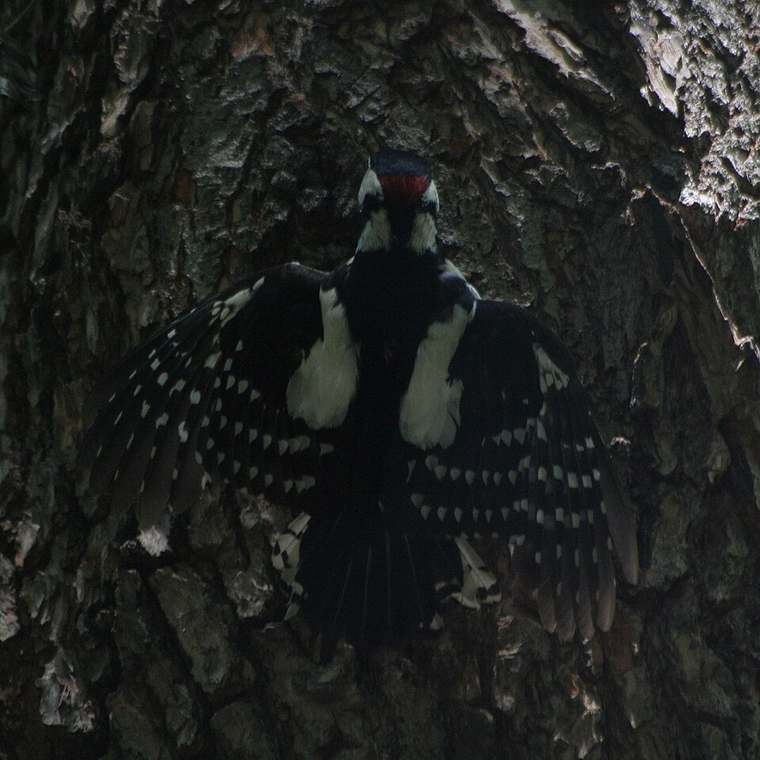
A woodpecker tongue wraps around its skull to protect its brain
An elongated hyoid bone acts as a safety belt during high-speed pecking. Woodpeckers slam their beaks into tree trunks at accelerations exceeding 1,000 g-forces. To prevent brain injury, the long hyoid bone supporting the tongue splits into two bands that loop all the way around the back of the skull and insert into the right nostril, absorbing impact shocks. It sits in Mondo's animals collection, one of 200 facts that each trace back to the reference below.
Where this comes from
Facts that can change over time are reviewed and updated. If something here looks wrong, Mondo would rather know than be confidently incorrect.
Go further
More facts like this
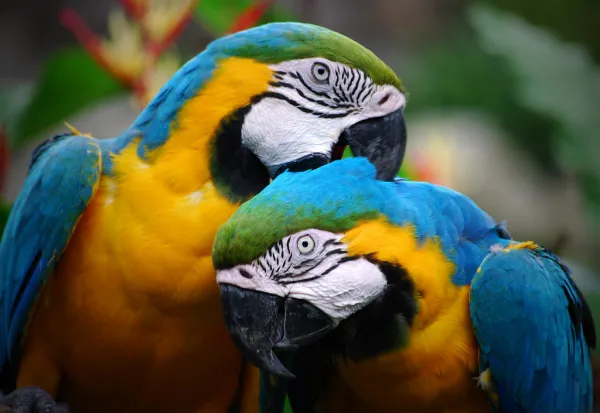 AnimalsParrots possess specialized brain shells for vocal learningUnique forebrain structures enable parrots to learn human speech sounds.
 AnimalsCommon swifts can stay airborne for ten months continuouslySwifts feed, mate, and sleep in mid-air without landing on ground.
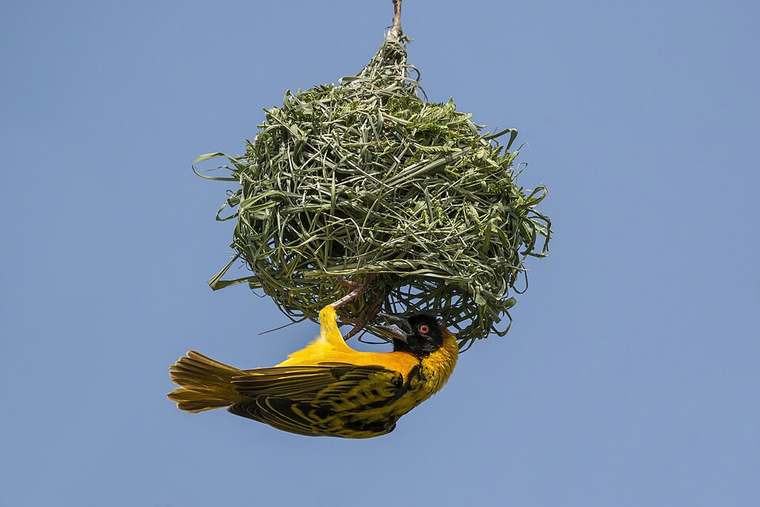 AnimalsMale weaver birds tie intricate knots to build woven nestsWeaver birds use strips of grass to loop and tie hanging spherical nests.
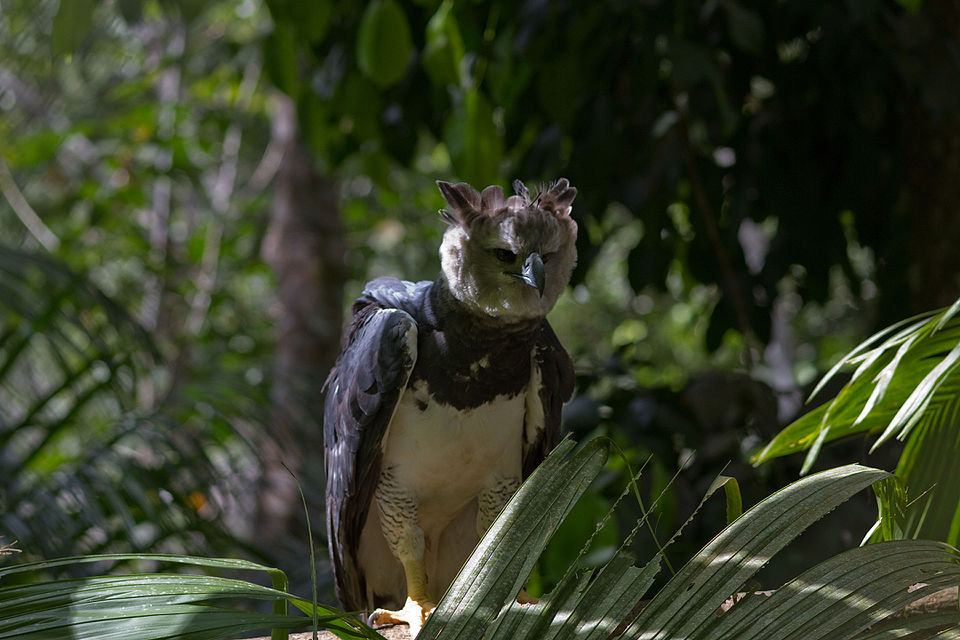 AnimalsHarpy eagle talons are longer than grizzly bear clawsCurved thirteen-centimetre talons exert hundreds of pounds of pressure.
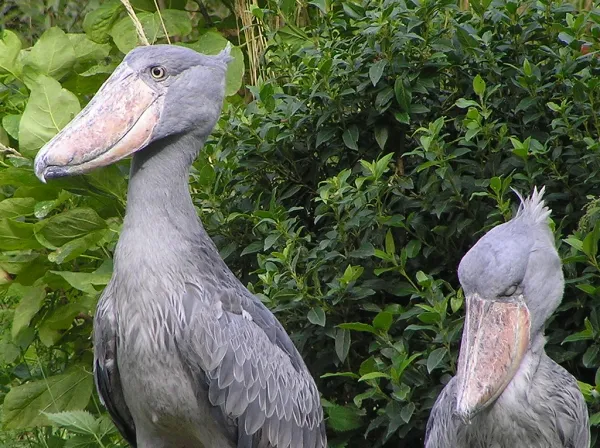 AnimalsShoebill storks produce machine-gun clattering sounds with their beaksAdult shoebills clatter massive shoe-shaped bills during nest greetings.
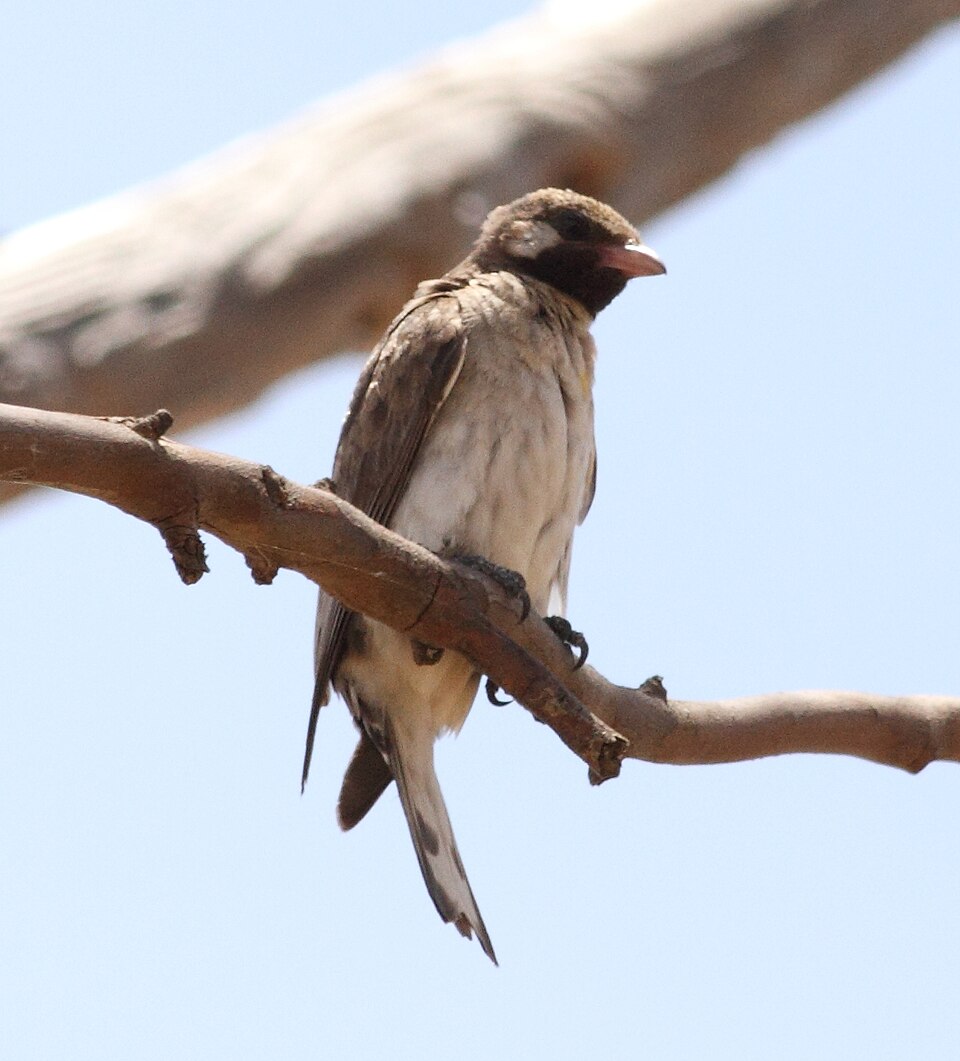 AnimalsGreater honeyguides lead humans to wild beehivesThe bird calls humans to trees and eats leftover beeswax.
🐾 Animalsfact 42 of 200
← → to keep reading, or swipe
Tags: woodpecker, birds, brain
A woodpecker tongue wraps around its skull to protect its brain: the short answers
- Where does this come from, and can I check it?
- An elongated hyoid bone acts as a safety belt during high-speed pecking. The figure is taken from Natural History Museum, which is linked in full on this page. Every fact on Mondo Knows names its source rather than repeating an unsourced claim.
- Is this really a animals fact?
- Yes. It sits on the Animals shelf, one of 2,600 sourced facts grouped into space, animals, the human body, history, science and more. Category pages collect every fact in the same field.
- What else can I read about it?
- The links under the fact point to a quiz, game, puzzle or calculator on the same subject, and the shelf below shows related facts. The wording here is original, and quoted phrases are marked as quotations.