Mondo Knows Facts
The piano was invented in Florence around 1700
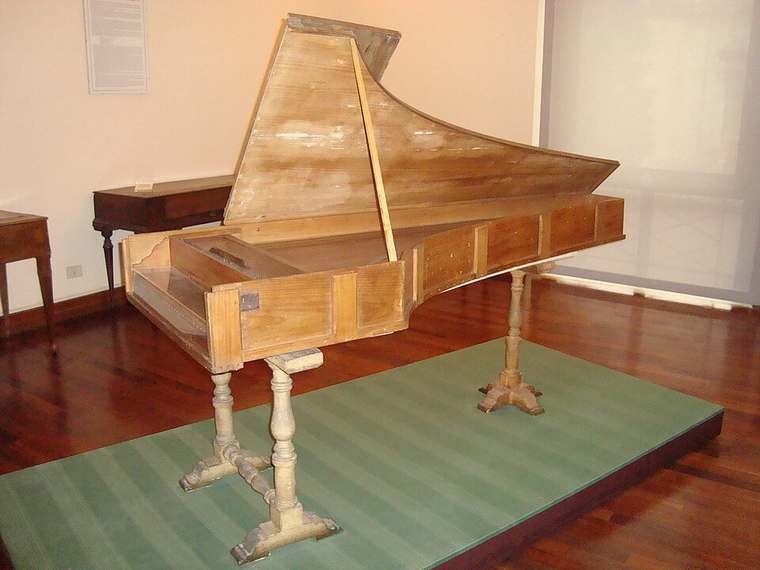
Bartolomeo Cristofori built the first one for the Medici court Bartolomeo Cristofori, an instrument maker at the Medici court in Florence, built the first piano around 1700. He called it a gravicembalo col piano e forte, meaning a harpsichord that plays soft and loud. Unlike a harpsichord, its hammers let the player vary volume by touch. It sits in Mondo's music collection, one of 200 facts that each trace back to the reference below.
Where this comes from
The Metropolitan Museum of Art
Facts that can change over time are reviewed and updated. If something here looks wrong, Mondo would rather know than be confidently incorrect.
Go further
More facts like this
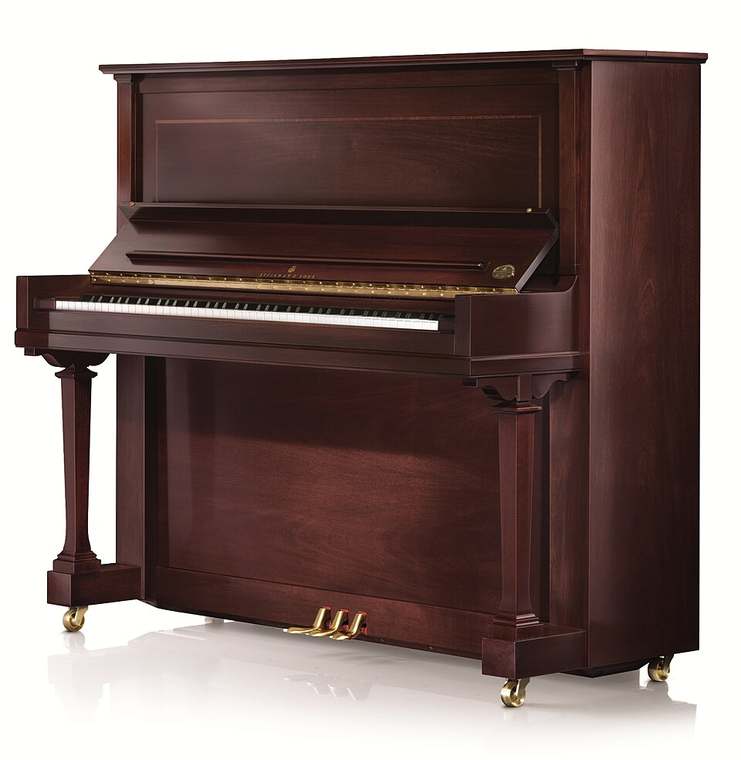 MusicA piano has about 230 stringsIts 88 keys span just over seven octavesMusicA grand piano carries around 20 tonnes of string tensionA cast iron plate holds the load so the case does not foldMusicA piano hammer strikes and drops away instantlyThe escapement lets the felt head fall back so the string can ring freelyMusicA modern piano has 88 keysThat range developed in the nineteenth century as composers asked for more
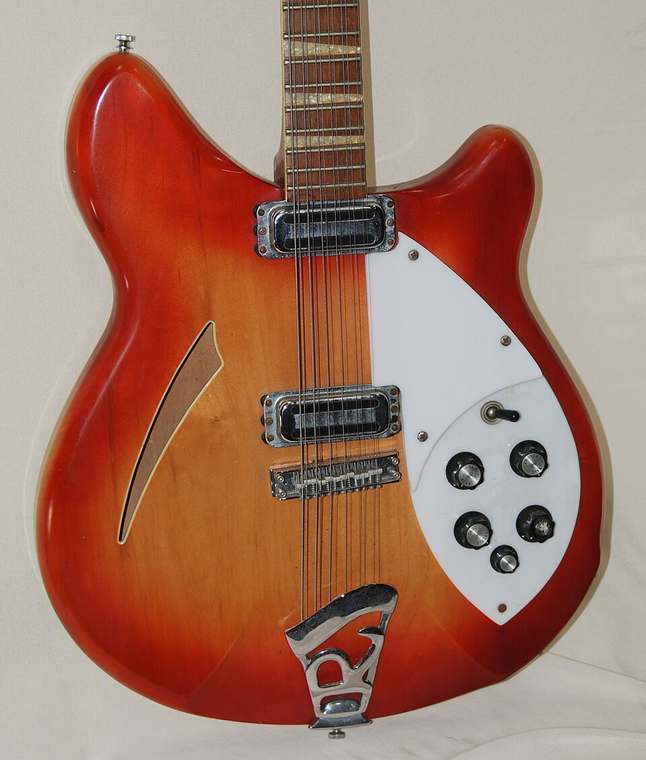 MusicOne of the first electric guitars was nicknamed the Frying PanRickenbacker began selling it in 1932
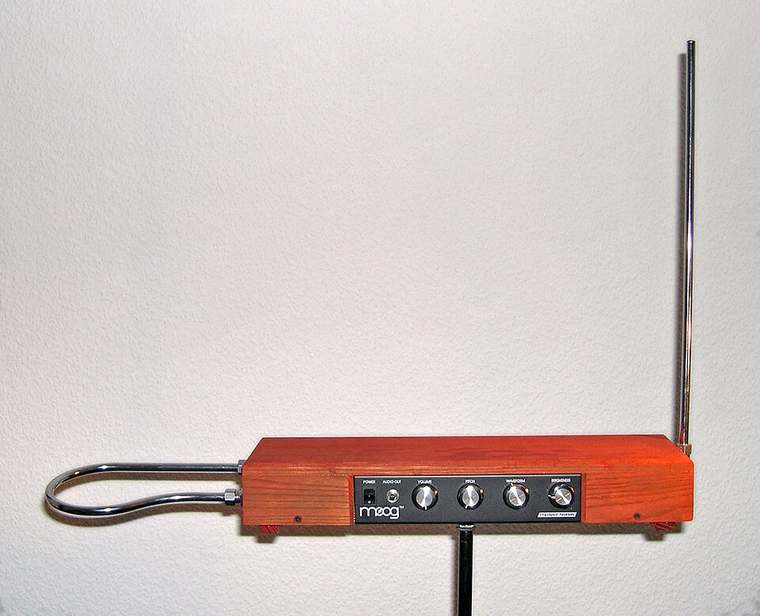 MusicThe theremin is played without being touchedLeon Theremin invented it in Russia in 1920
🎵 Musicfact 3 of 200
← → to keep reading, or swipe
Tags: piano, invention, florence
The piano was invented in Florence around 1700: the short answers
- Where does this come from, and can I check it?
- Bartolomeo Cristofori built the first one for the Medici court. The figure is taken from The Metropolitan Museum of Art, which is linked in full on this page. Every fact on Mondo Knows names its source rather than repeating an unsourced claim.
- Is this really a music fact?
- Yes. It sits on the Music shelf, one of 2,600 sourced facts grouped into space, animals, the human body, history, science and more. Category pages collect every fact in the same field.
- What else can I read about it?
- The links under the fact point to a quiz, game, puzzle or calculator on the same subject, and the shelf below shows related facts. The wording here is original, and quoted phrases are marked as quotations.