Mondo Knows Facts
The pH scale measures hydrogen ion concentration logarithmically
Each single unit change on the pH scale represents a tenfold shift in acidity The pH scale quantifies how acidic or basic an aqueous solution is based on the negative logarithm of hydrogen ion concentration. A solution with a pH of 4 contains ten times more hydrogen ions than a neutral solution of pH 5 and one hundred times more than pH 6. Pure water sits at neutral pH 7, while values below 7 indicate acidic conditions. It sits in Mondo's science collection, one of 200 facts that each trace back to the reference below.
Where this comes from
Facts that can change over time are reviewed and updated. If something here looks wrong, Mondo would rather know than be confidently incorrect.
Go further
More facts like this
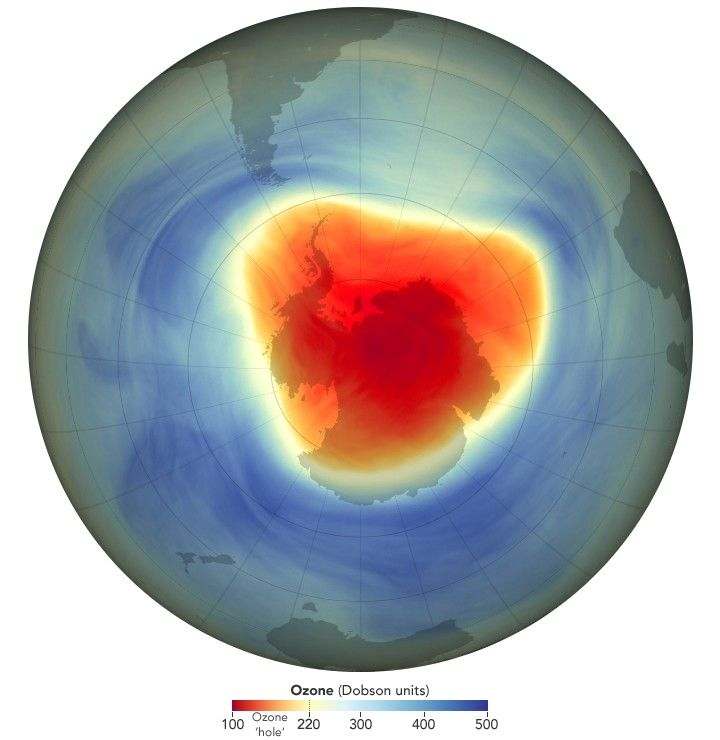 ScienceUltraviolet light creates ozone in the upper atmosphereHigh energy solar radiation splits oxygen gas into reactive free atomic oxygen
 ScienceHydrogen makes up three quarters of all cosmic massAs the simplest chemical element hydrogen dominates stellar composition across space
← → to keep reading, or swipe
Tags: chemistry, ph, acids
The pH scale measures hydrogen ion concentration logarithmically: the short answers
- Where does this come from, and can I check it?
- Each single unit change on the pH scale represents a tenfold shift in acidity. The figure is taken from USGS, which is linked in full on this page. Every fact on Mondo Knows names its source rather than repeating an unsourced claim.
- Is this really a science fact?
- Yes. It sits on the Science shelf, one of 2,600 sourced facts grouped into space, animals, the human body, history, science and more. Category pages collect every fact in the same field.
- What else can I read about it?
- The links under the fact point to a quiz, game, puzzle or calculator on the same subject, and the shelf below shows related facts. The wording here is original, and quoted phrases are marked as quotations.