Mondo Knows Facts
CRISPR originated as a bacterial defense against viral infections
Bacteria store fragments of viral DNA to recognise and slice invading viruses CRISPR sequences were first discovered in bacteria as an adaptive immune mechanism designed to defeat bacteriophage viruses. Bacteria capture snippets of invading viral DNA and store them within their own genome to guide Cas nucleases to cut matching viral sequences during future attacks. Molecular biologists adapted this system into a revolutionary genome editing tool. It sits in Mondo's science collection, one of 200 facts that each trace back to the reference below.
Where this comes from
Facts that can change over time are reviewed and updated. If something here looks wrong, Mondo would rather know than be confidently incorrect.
Go further
More facts like this
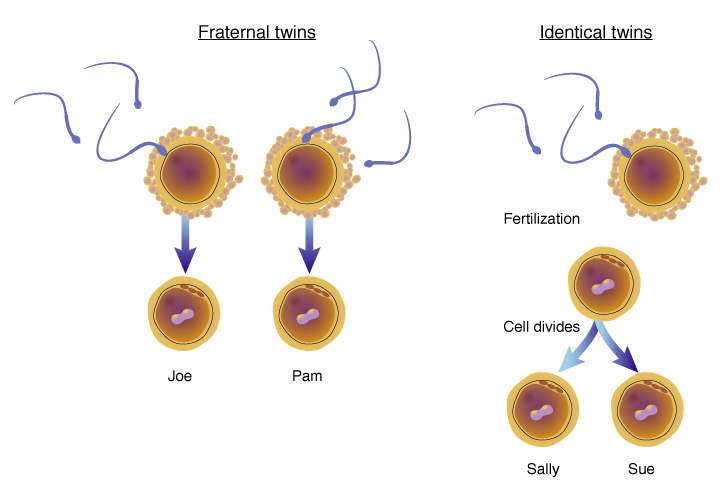 ScienceEpigenetics alters gene activity without changing DNA codeChemical tags on DNA control whether specific genes are switched on or off
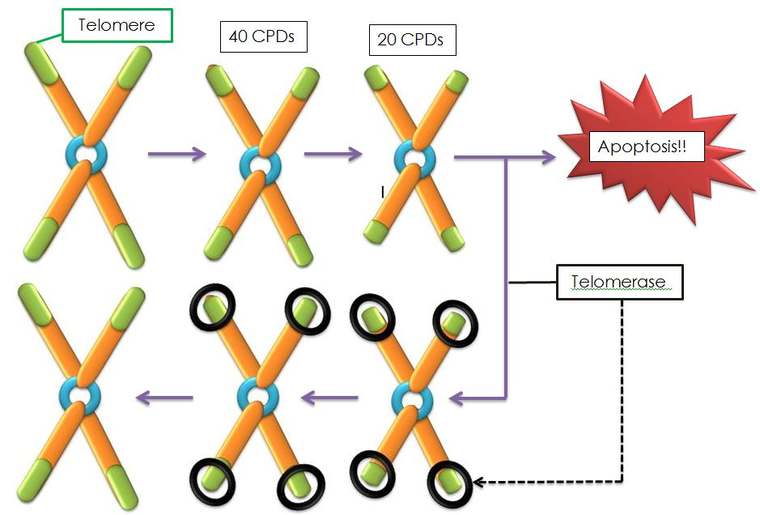 ScienceTelomeres cap chromosome ends and shorten as cells divideRepetitive nucleotide sequences protect genetic data during cell replication cycles
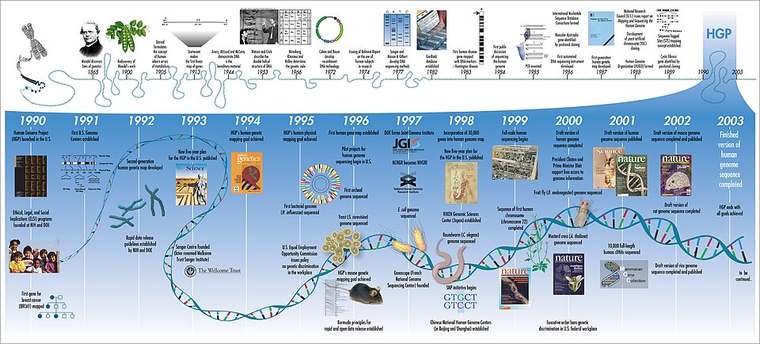 ScienceThe human genome contains over three billion base pairsGenetic code packaged across 23 chromosome pairs directs human biological development
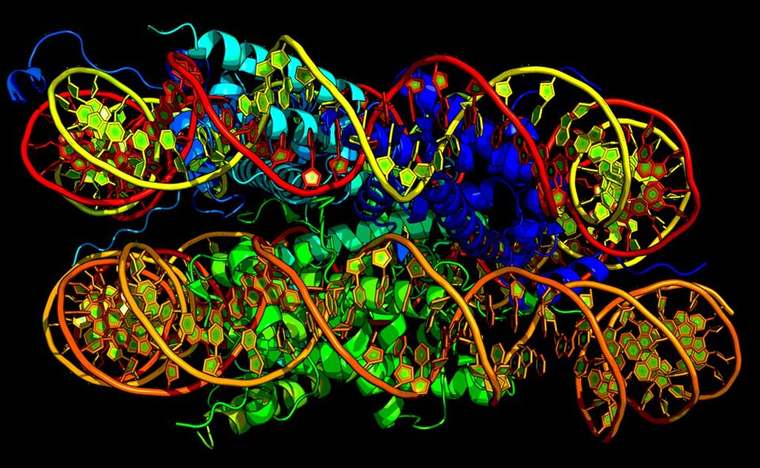 ScienceDNA stores genetic instruction in a double helix structureFour nitrogenous base pairs form the chemical alphabet of living organismsScienceMendel's peas revealed how traits inheritCrosses produced a consistent three to one ratio in the second generationScienceMutations supply new genetic variationCopying errors and damage create the alleles that selection can act on
← → to keep reading, or swipe
Tags: biology, crispr, genetics
CRISPR originated as a bacterial defense against viral infections: the short answers
- Where does this come from, and can I check it?
- Bacteria store fragments of viral DNA to recognise and slice invading viruses. The figure is taken from Nobel Prize, which is linked in full on this page. Every fact on Mondo Knows names its source rather than repeating an unsourced claim.
- Is this really a science fact?
- Yes. It sits on the Science shelf, one of 2,600 sourced facts grouped into space, animals, the human body, history, science and more. Category pages collect every fact in the same field.
- What else can I read about it?
- The links under the fact point to a quiz, game, puzzle or calculator on the same subject, and the shelf below shows related facts. The wording here is original, and quoted phrases are marked as quotations.