Mondo Knows Facts
Nitrogen and oxygen make up ninety-nine percent of dry air
Dry atmospheric air consists of 78 percent nitrogen and 21 percent oxygen by volume Earth's atmosphere is composed primarily of diatomic nitrogen gas, which accounts for roughly 78 percent of dry air volume, and diatomic oxygen, which accounts for 21 percent. Argon makes up most of the remaining 1 percent, with trace gases like carbon dioxide and water vapour filling the rest. This unique balance supports life while suppressing uncontrolled combustion. It sits in Mondo's science collection, one of 200 facts that each trace back to the reference below.
Where this comes from
Facts that can change over time are reviewed and updated. If something here looks wrong, Mondo would rather know than be confidently incorrect.
Go further
More facts like this
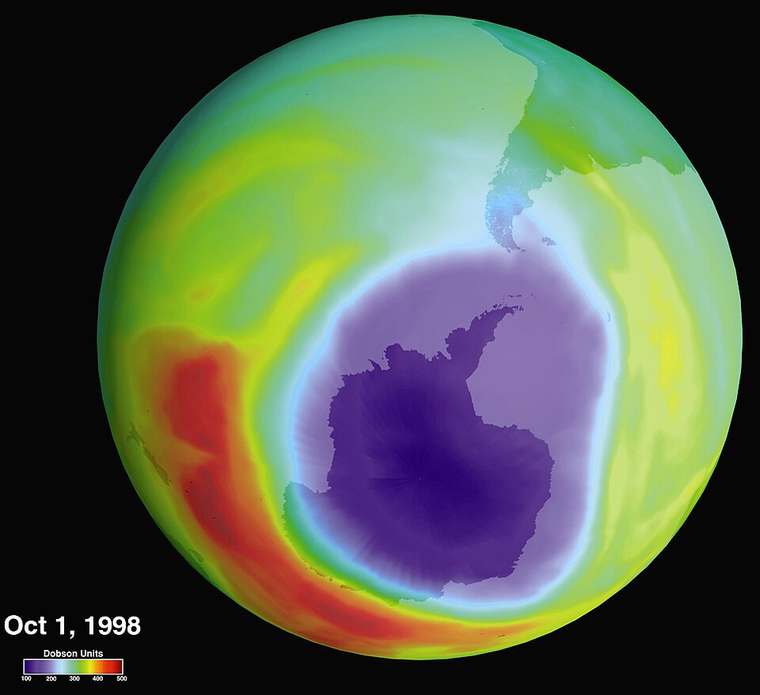 ScienceThe stratospheric ozone layer screens out harmful UV solar raysOzone gas concentrated fifteen to thirty kilometres up absorbs carcinogenic UV radiation
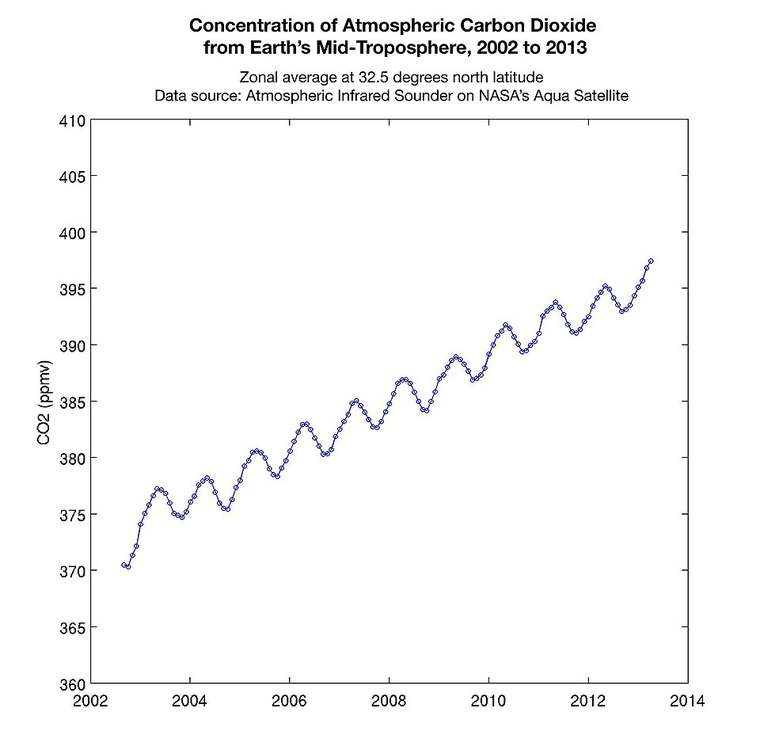 ScienceThe troposphere contains three quarters of all atmospheric massEarth lowest atmospheric layer holds almost all atmospheric water vapour and weather
 FoodIce cream is half air by volume in some tubsOverrun measures how much air is whipped into the mixHuman BodyAn adult breathes in over eleven thousand litres of air dailyHumans take roughly twenty thousand breaths per day under resting conditionsScienceRayleigh scattering makes the daytime sky blueAir molecules scatter short blue wavelengths far more strongly than long red onesScienceIce cores hold bubbles of ancient airFalling snow seals atmosphere in layers, giving a direct record of past gases
← → to keep reading, or swipe
Tags: earth science, atmosphere, air
Nitrogen and oxygen make up ninety-nine percent of dry air: the short answers
- Where does this come from, and can I check it?
- Dry atmospheric air consists of 78 percent nitrogen and 21 percent oxygen by volume. The figure is taken from NOAA, which is linked in full on this page. Every fact on Mondo Knows names its source rather than repeating an unsourced claim.
- Is this really a science fact?
- Yes. It sits on the Science shelf, one of 2,600 sourced facts grouped into space, animals, the human body, history, science and more. Category pages collect every fact in the same field.
- What else can I read about it?
- The links under the fact point to a quiz, game, puzzle or calculator on the same subject, and the shelf below shows related facts. The wording here is original, and quoted phrases are marked as quotations.