Mondo Knows Facts
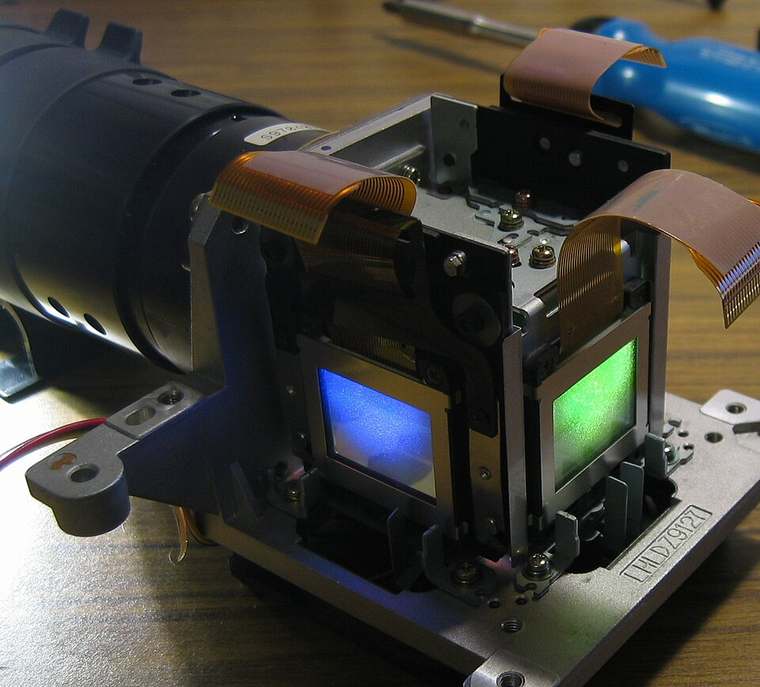
LCD displays control light passage using liquid crystals and polarizing filters
Voltage applied to liquid crystals rotates light polarization to create pixels Liquid crystal displays do not emit light directly, but instead manipulate light from an LED backlight. Applying electrical voltage across liquid crystal molecules alters their orientation, twisting the polarization angle of light passing through glass polarizers. Sub-pixels with red, green, and blue colour filters combine to generate full-colour digital images. It sits in Mondo's technology collection, one of 200 facts that each trace back to the reference below.
Where this comes from
Facts that can change over time are reviewed and updated. If something here looks wrong, Mondo would rather know than be confidently incorrect.
Go further
More facts like this
 TechnologyCapacitive touchscreens detect touch using electrostatic chargeHuman body conductivity alters the electrostatic field on a glass-coated sensor arrayMovies & TVAn LCD picture is made by blocking lightLiquid crystals twist to gate a lamp behind the glass rather than glowing
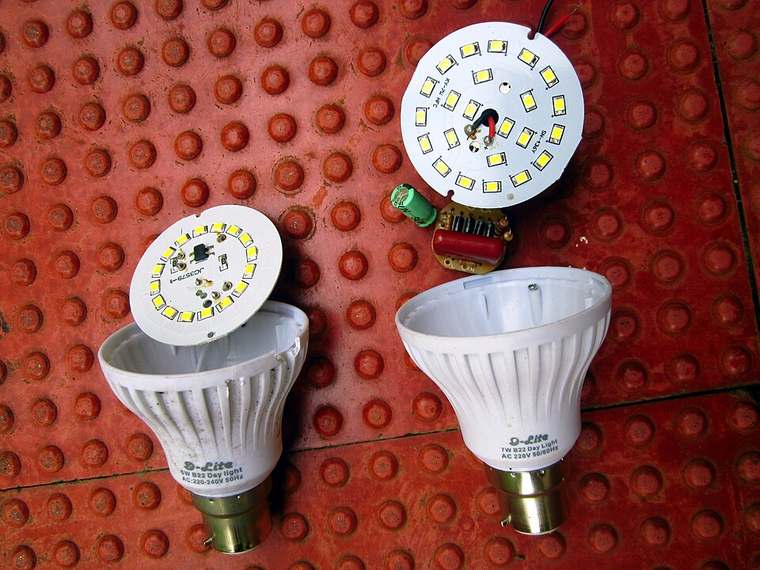 TechnologyThe blue LED enabled high-efficiency white LED illuminationIsamu Akasaki, Hiroshi Amano, and Shuji Nakamura won the Nobel Prize for inventing blue LEDs
 Everyday LifeHigh-visibility waistcoats reflect headlight beams and absorb UV lightFluorescent dyes convert ultraviolet rays into bright visible light for workers
 Everyday LifeHighway road markings contain glass beads to reflect headlight beamsMicroscopic glass spheres in road paint redirect light beams back to drivers
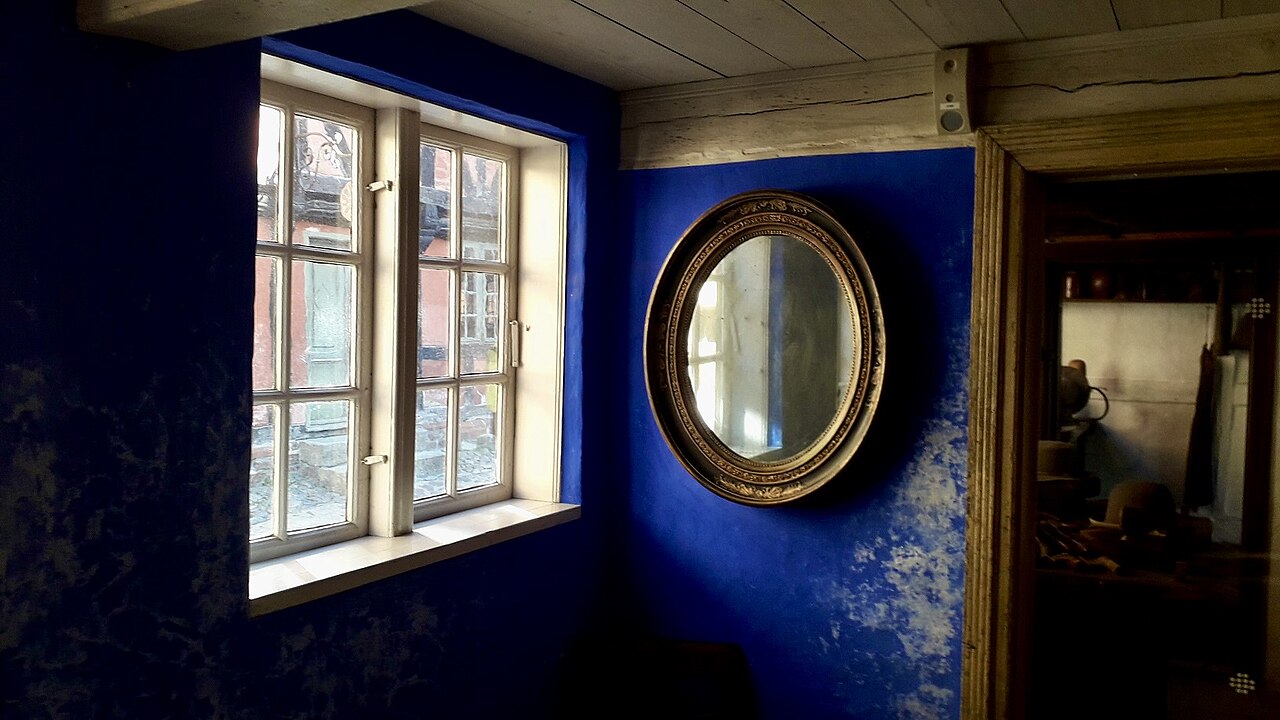 Everyday LifeModern mirrors rely on microscopic silver layers behind float glassSpraying chemical silver film onto glass produces clear specular light reflection
← → to keep reading, or swipe
Tags: lcd, display, optics
LCD displays control light passage using liquid crystals and polarizing filters: the short answers
- Where does this come from, and can I check it?
- Voltage applied to liquid crystals rotates light polarization to create pixels. The figure is taken from IEEE History Center, which is linked in full on this page. Every fact on Mondo Knows names its source rather than repeating an unsourced claim.
- Is this really a technology fact?
- Yes. It sits on the Technology shelf, one of 2,600 sourced facts grouped into space, animals, the human body, history, science and more. Category pages collect every fact in the same field.
- What else can I read about it?
- The links under the fact point to a quiz, game, puzzle or calculator on the same subject, and the shelf below shows related facts. The wording here is original, and quoted phrases are marked as quotations.