Mondo Knows Facts
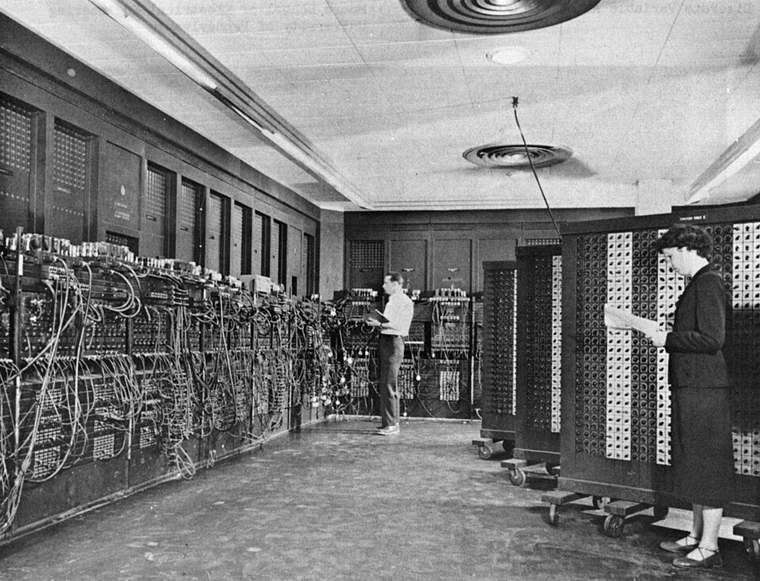
ENIAC was the first general-purpose electronic computer
Completed in 1945, ENIAC used thousands of vacuum tubes to calculate artillery firing tables Built at the University of Pennsylvania, ENIAC contained nearly 18,000 vacuum tubes and consumed over 150 kilowatts of electric power. It was designed to calculate artillery firing trajectories for the United States Army. Programmers had to manually reconfigure cables and switches to set up different calculations. It sits in Mondo's technology collection, one of 200 facts that each trace back to the reference below.
Where this comes from
Facts that can change over time are reviewed and updated. If something here looks wrong, Mondo would rather know than be confidently incorrect.
Go further
More facts like this
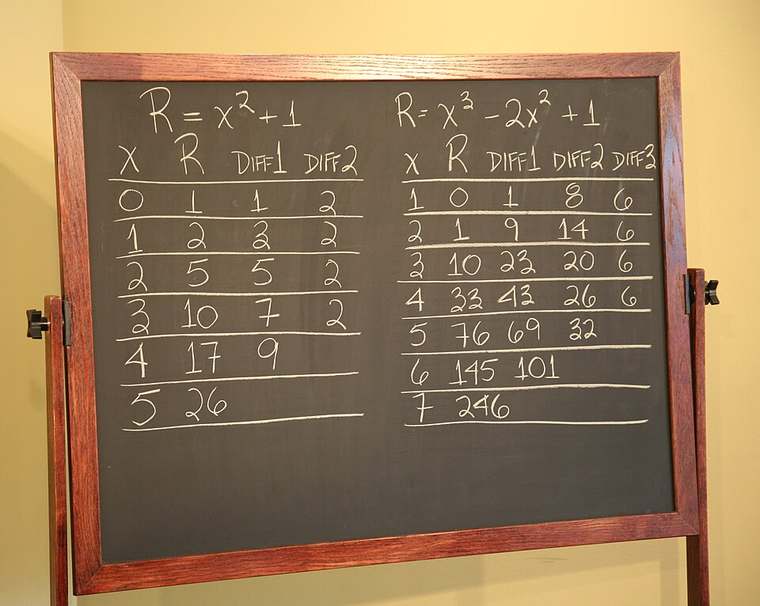 TechnologyCharles Babbage designed the Difference Engine to calculate mathematical tablesThe mechanical calculator used gear wheels and cog positions to compute polynomial functionsTechnologyAda Lovelace wrote the world's first published computer algorithm in 1843Her notes on Babbage's Analytical Engine included an algorithm to calculate Bernoulli numbers
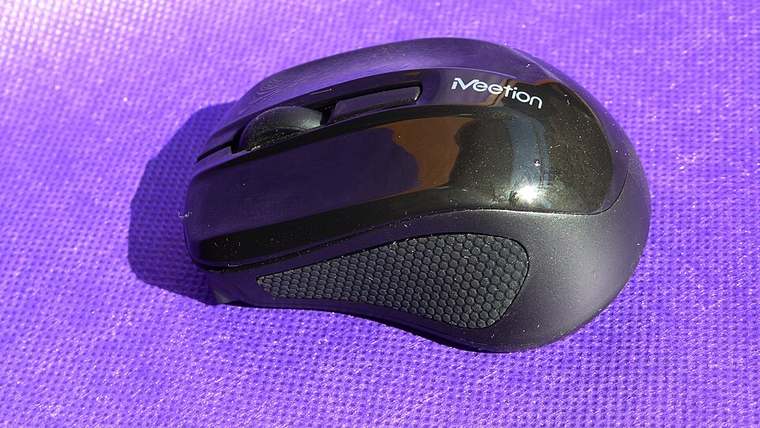 Everyday LifeOptical computer mice capture thousands of surface images per secondDigital signal processors track microscopic surface patterns beneath the mouse
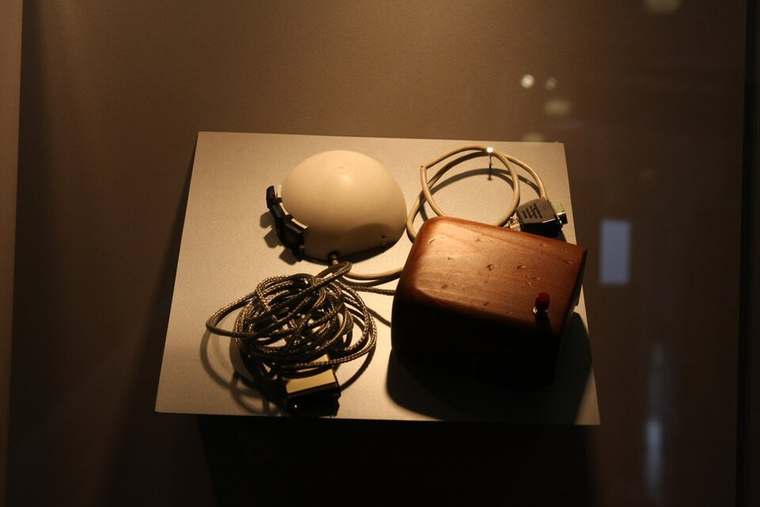 TechnologyThe first computer mouse was made of woodDouglas Engelbart invented the computer mouse in 1964 using a wooden shell and internal metal wheels
← → to keep reading, or swipe
Tags: eniac, computing, vacuum-tubes
ENIAC was the first general-purpose electronic computer: the short answers
- Where does this come from, and can I check it?
- Completed in 1945, ENIAC used thousands of vacuum tubes to calculate artillery firing tables. The figure is taken from Computer History Museum, which is linked in full on this page. Every fact on Mondo Knows names its source rather than repeating an unsourced claim.
- Is this really a technology fact?
- Yes. It sits on the Technology shelf, one of 2,600 sourced facts grouped into space, animals, the human body, history, science and more. Category pages collect every fact in the same field.
- What else can I read about it?
- The links under the fact point to a quiz, game, puzzle or calculator on the same subject, and the shelf below shows related facts. The wording here is original, and quoted phrases are marked as quotations.