Mondo Knows Facts
No internet link can beat the speed of light
Light in glass runs at about two thirds of its vacuum speed, setting a floor on any message crossing an ocean In a vacuum light covers 300 kilometres per millisecond; inside silica fibre the refractive index slows it to roughly 200 kilometres per millisecond. A message from London to New York, some 5,600 kilometres apart, therefore needs at least 28 milliseconds each way before any electronics are counted. Trading firms pay for unusually straight cable routes because every extra kilometre adds delay. It sits in Mondo's technology collection, one of 200 facts that each trace back to the reference below.
Where this comes from
Facts that can change over time are reviewed and updated. If something here looks wrong, Mondo would rather know than be confidently incorrect.
Go further
More facts like this
 TechnologyFibre optic cables transmit data using pulses of laser lightTotal internal reflection inside glass strands carries gigabits of internet data per secondTechnologyUndersea cables carry almost all intercontinental trafficAround 99 percent of international data crosses oceans on glass fibre lying on the seabed, not by satellite
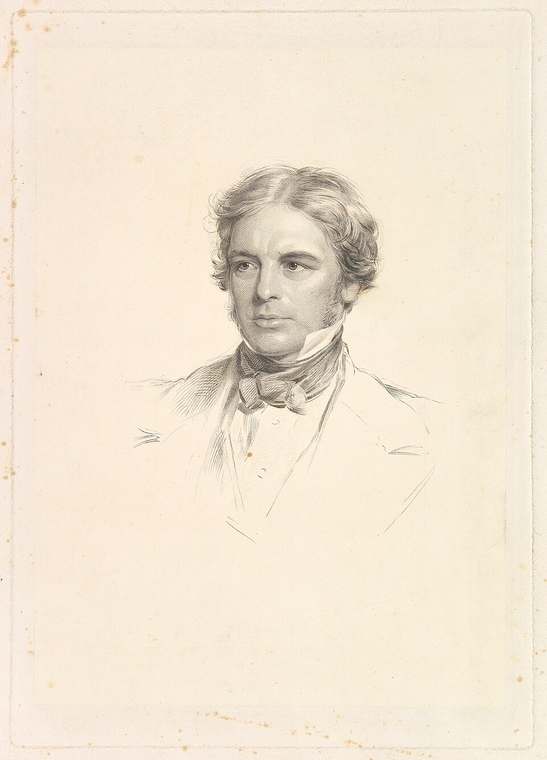 TechnologyMichael Faraday built the first primitive electric motor in 1821A current-carrying wire rotating around a magnet demonstrated electromagnetic propulsion
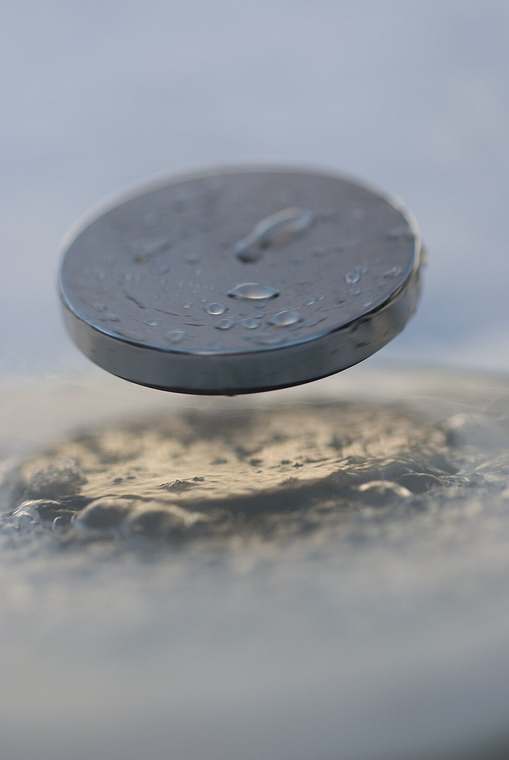 TechnologySuperconductivity allows electrical current to flow with zero resistanceHeike Kamerlingh Onnes discovered zero electrical resistance in liquid-helium cooled mercury in 1911
 TechnologySonic booms occur when aircraft travel faster than the speed of soundAir pressure waves compressed at Mach one coalesce into continuous shock wavesTechnologyA TCP connection opens with three short messagesBoth ends exchange synchronise and acknowledge packets before any data moves, agreeing on starting sequence numbers
← → to keep reading, or swipe
Tags: latency, fibre-optics, physics
No internet link can beat the speed of light: the short answers
- Where does this come from, and can I check it?
- Light in glass runs at about two thirds of its vacuum speed, setting a floor on any message crossing an ocean. The figure is taken from Britannica, which is linked in full on this page. Every fact on Mondo Knows names its source rather than repeating an unsourced claim.
- Is this really a technology fact?
- Yes. It sits on the Technology shelf, one of 2,600 sourced facts grouped into space, animals, the human body, history, science and more. Category pages collect every fact in the same field.
- What else can I read about it?
- The links under the fact point to a quiz, game, puzzle or calculator on the same subject, and the shelf below shows related facts. The wording here is original, and quoted phrases are marked as quotations.