Mondo Knows Facts
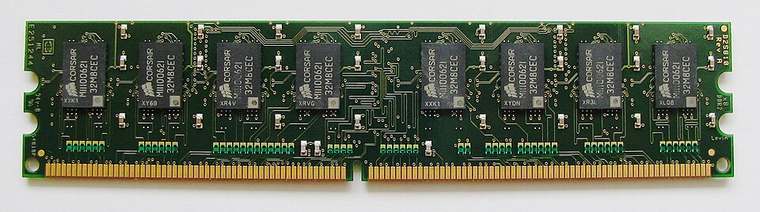
Dynamic RAM DRAM was invented by Robert Dennard at IBM in 1966
DRAM uses a single transistor and capacitor per memory bit to store digital data IBM researcher Robert Dennard patented Dynamic Random-Access Memory in 1966. By storing each binary bit of data as an electric charge in a single capacitor controlled by one transistor, DRAM permitted far higher memory density than multi-transistor static RAM. Because charge leaks over time, DRAM requires periodic electronic refresh cycles. It sits in Mondo's technology collection, one of 200 facts that each trace back to the reference below.
Where this comes from
Facts that can change over time are reviewed and updated. If something here looks wrong, Mondo would rather know than be confidently incorrect.
Go further
More facts like this
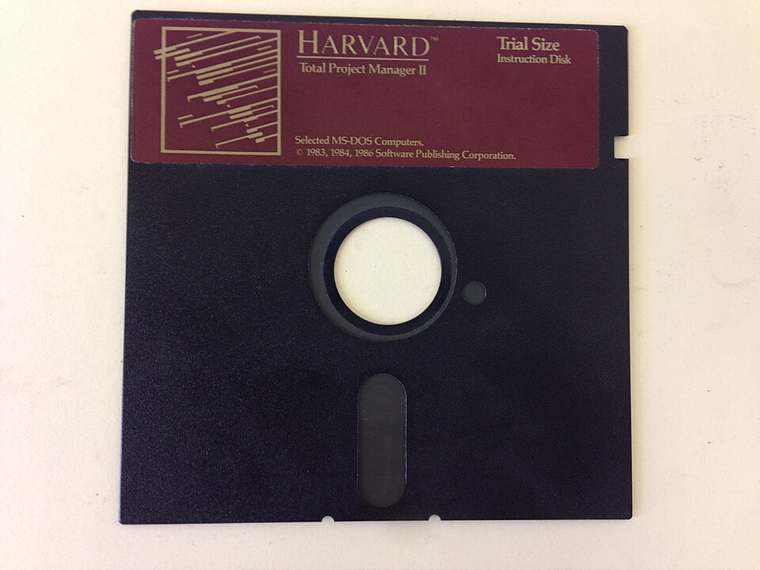 TechnologyThe floppy disk was created by IBM engineers led by Alan Shugart in 1967Flexible magnetic vinyl disks enclosed in plastic sleeves provided portable computer storageTechnologyIBM's System 360 was a family of compatible machinesLaunched in 1964, it let customers move a program from a small computer to a large one without rewriting itTechnologyDeep Blue beat Garry Kasparov by brute forceIBM's 1997 machine examined up to 200 million chess positions a second to outsearch the reigning champion
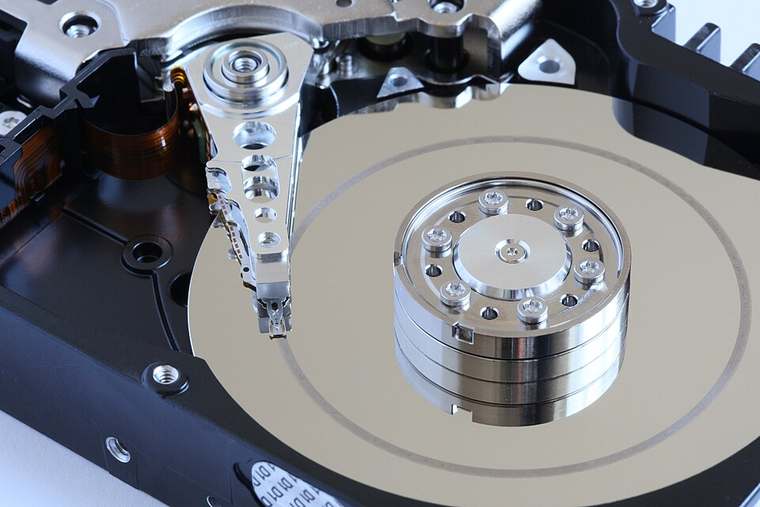 TechnologyThe first commercial hard disk stored five megabytes of dataThe IBM 350 disk storage unit used fifty magnetic platters each measuring twenty inches acrossTechnologyFORTRAN was the first widely used high-level programming languageJohn Backus and IBM introduced Fortran in 1957 to simplify mathematical computing
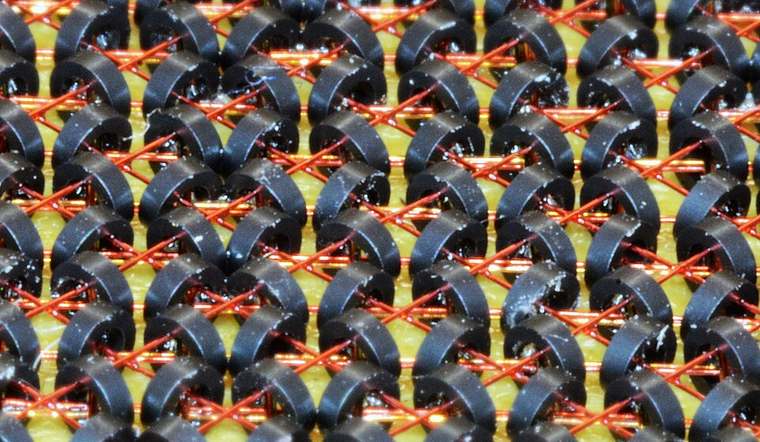 TechnologyMagnetic core memory served as main RAM for computers from the 1950s to 1970sTiny ferrite rings threaded on wire grids stored magnetic bits non-volatilesly
← → to keep reading, or swipe
Tags: dram, memory, ibm
Dynamic RAM DRAM was invented by Robert Dennard at IBM in 1966: the short answers
- Where does this come from, and can I check it?
- DRAM uses a single transistor and capacitor per memory bit to store digital data. The figure is taken from IBM Research, which is linked in full on this page. Every fact on Mondo Knows names its source rather than repeating an unsourced claim.
- Is this really a technology fact?
- Yes. It sits on the Technology shelf, one of 2,600 sourced facts grouped into space, animals, the human body, history, science and more. Category pages collect every fact in the same field.
- What else can I read about it?
- The links under the fact point to a quiz, game, puzzle or calculator on the same subject, and the shelf below shows related facts. The wording here is original, and quoted phrases are marked as quotations.