Mondo Knows Facts
Arthur C. Clarke conceptualized geostationary communications satellites in 1945
Orbiting 35,786 kilometres above the equator allows satellites to match Earth's rotational speed Science fiction writer and inventor Arthur C. Clarke published a paper in Wireless World in 1945 proposing telecommunication relays in geostationary orbit. At an altitude of 35,786 kilometres above Earth's equator, a satellite's orbital period exactly matches planetary rotation. Ground antennas can remain pointed at a fixed position in the sky. It sits in Mondo's technology collection, one of 200 facts that each trace back to the reference below.
Where this comes from
Facts that can change over time are reviewed and updated. If something here looks wrong, Mondo would rather know than be confidently incorrect.
Go further
More facts like this
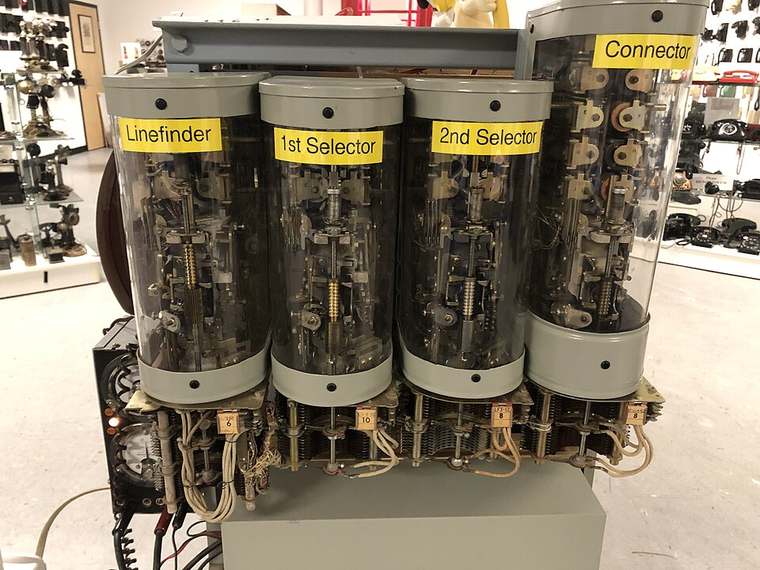 TechnologyAlmon Strowger patented the first automatic telephone exchange switch in 1891Electromechanical rotary stepping switches allowed callers to dial numbers without human operators
 TechnologyReginald Fessenden made the first wireless radio voice transmission in 1906Continuous high-frequency radio waves transmitted voice and music on Christmas Eve
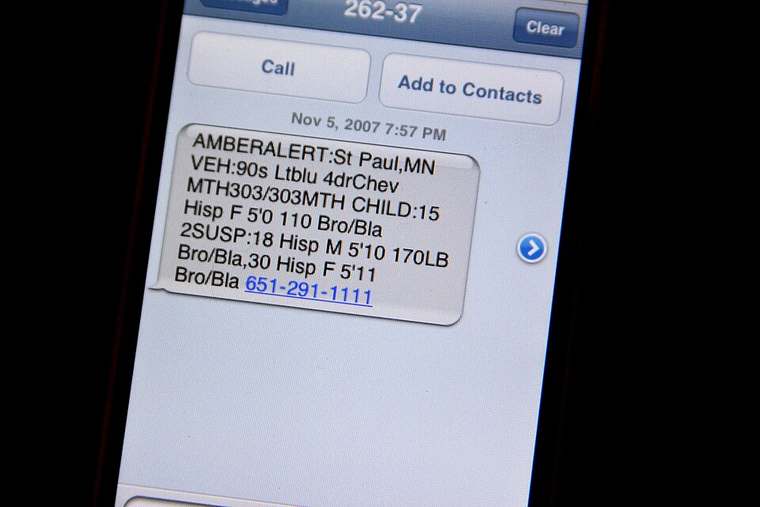 TechnologyThe first SMS text message sent in 1992 wished Merry ChristmasEngineer Neil Papworth sent the text message from a personal computer to an Orbitel mobile phoneTechnologySamuel Morse sent the first long-distance telegraph message in 1844The message What hath God wrought travelled over wires between Washington and Baltimore
← → to keep reading, or swipe
Tags: satellites, telecoms, orbit
Arthur C. Clarke conceptualized geostationary communications satellites in 1945: the short answers
- Where does this come from, and can I check it?
- Orbiting 35,786 kilometres above the equator allows satellites to match Earth's rotational speed. The figure is taken from NASA History, which is linked in full on this page. Every fact on Mondo Knows names its source rather than repeating an unsourced claim.
- Is this really a technology fact?
- Yes. It sits on the Technology shelf, one of 2,600 sourced facts grouped into space, animals, the human body, history, science and more. Category pages collect every fact in the same field.
- What else can I read about it?
- The links under the fact point to a quiz, game, puzzle or calculator on the same subject, and the shelf below shows related facts. The wording here is original, and quoted phrases are marked as quotations.