Mondo Knows Facts
The first commercial DC power link opened in 1954
A 100 kilovolt cable carried power between the Swedish mainland and Gotland using mercury arc valves Direct current loses less energy over long distances than alternating current and needs no synchronisation between the two ends. The Gotland link proved the idea with mercury arc valves, later replaced by thyristors and then by transistor converters. Modern links run at 800 kilovolts or more and move several gigawatts between countries and across seas. It sits in Mondo's technology collection, one of 200 facts that each trace back to the reference below.
Where this comes from
Facts that can change over time are reviewed and updated. If something here looks wrong, Mondo would rather know than be confidently incorrect.
Go further
More facts like this
 TechnologyNuclear energy first generated usable electricity in Idaho in 1951The EBR-I experimental breeder reactor lit four incandescent light bulbs using nuclear fission power
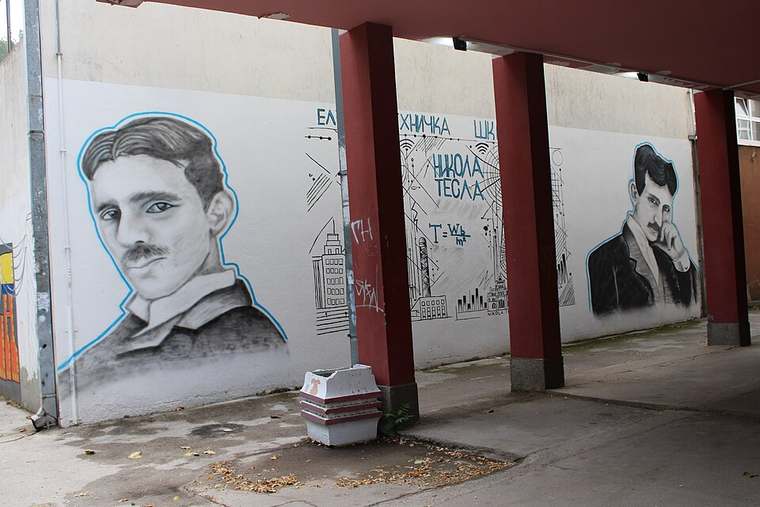 TechnologyThe War of the Currents decided the global standard for power gridsNikola Tesla and George Westinghouse's AC system won over Thomas Edison's DC power system
 TechnologyElectrical transformers change AC voltage levels using electromagnetic inductionWilliam Stanley Jr and the Ganz Works developed practical high-voltage power transformers
 TechnologyNational power grids synchronize electrical generator frequency across countriesNorth America operates at sixty hertz while Europe and Asia use fifty hertz AC frequency
← → to keep reading, or swipe
Tags: hvdc, transmission, electricity
The first commercial DC power link opened in 1954: the short answers
- Where does this come from, and can I check it?
- A 100 kilovolt cable carried power between the Swedish mainland and Gotland using mercury arc valves. The figure is taken from CIGRE, which is linked in full on this page. Every fact on Mondo Knows names its source rather than repeating an unsourced claim.
- Is this really a technology fact?
- Yes. It sits on the Technology shelf, one of 2,600 sourced facts grouped into space, animals, the human body, history, science and more. Category pages collect every fact in the same field.
- What else can I read about it?
- The links under the fact point to a quiz, game, puzzle or calculator on the same subject, and the shelf below shows related facts. The wording here is original, and quoted phrases are marked as quotations.