Mondo Knows Facts
A vacuum flask blocks all three routes for heat
The gap removes conduction and convection while a silver coat reflects radiation A steel flask has two walls with the air pumped out between them, which stops heat moving by conduction and convection across the gap. The facing surfaces are silvered or coated to reflect radiant heat back, and a screw stopper limits loss through the neck. James Dewar built the design in 1892 for laboratory work. It sits in Mondo's everyday life collection, one of 200 facts that each trace back to the reference below.
Where this comes from
Facts that can change over time are reviewed and updated. If something here looks wrong, Mondo would rather know than be confidently incorrect.
Go further
More facts like this
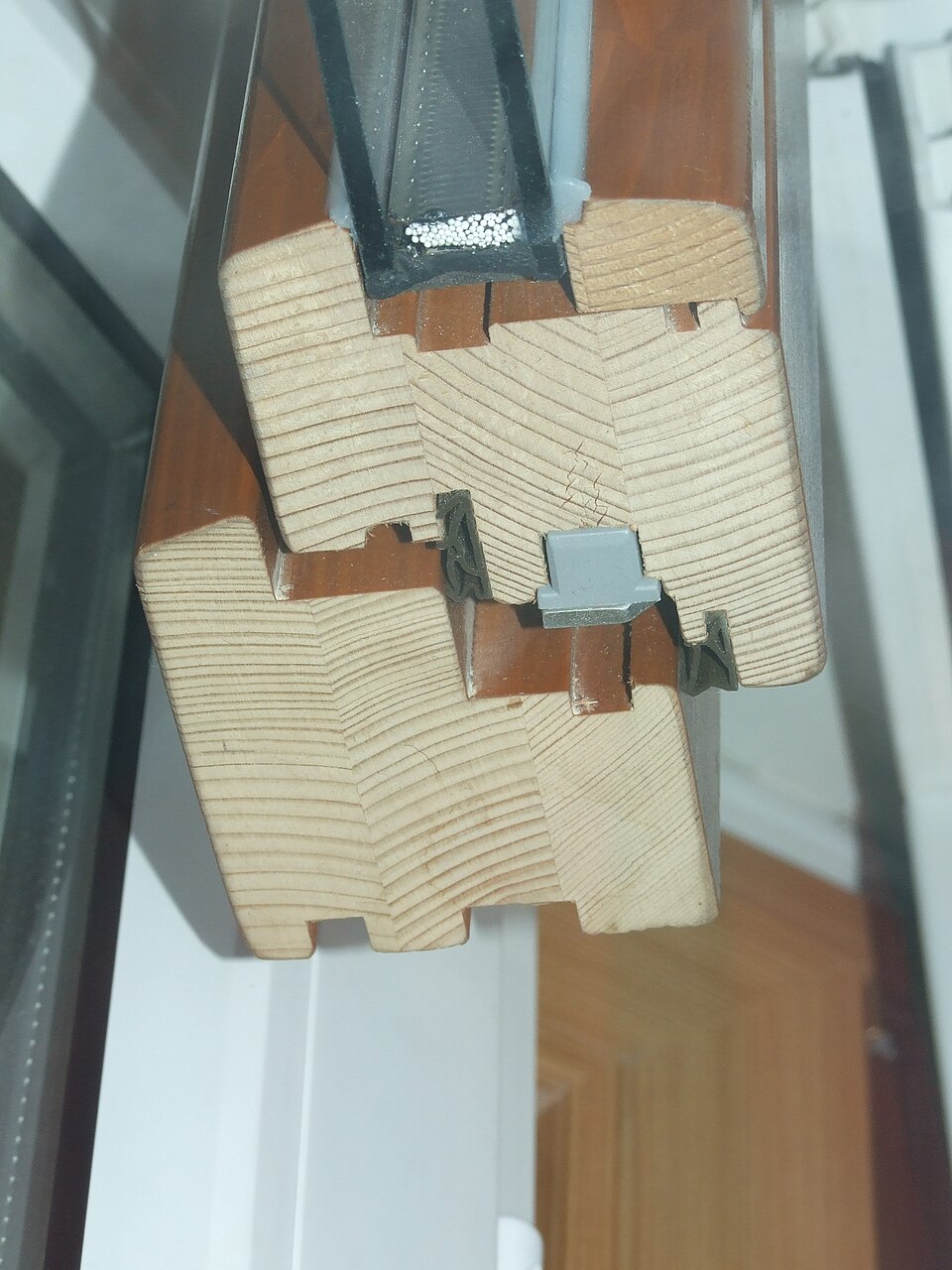 Everyday LifeDouble glazing traps argon between two panesThe heavy gas conducts less heat than air and the sealed gap stays dry
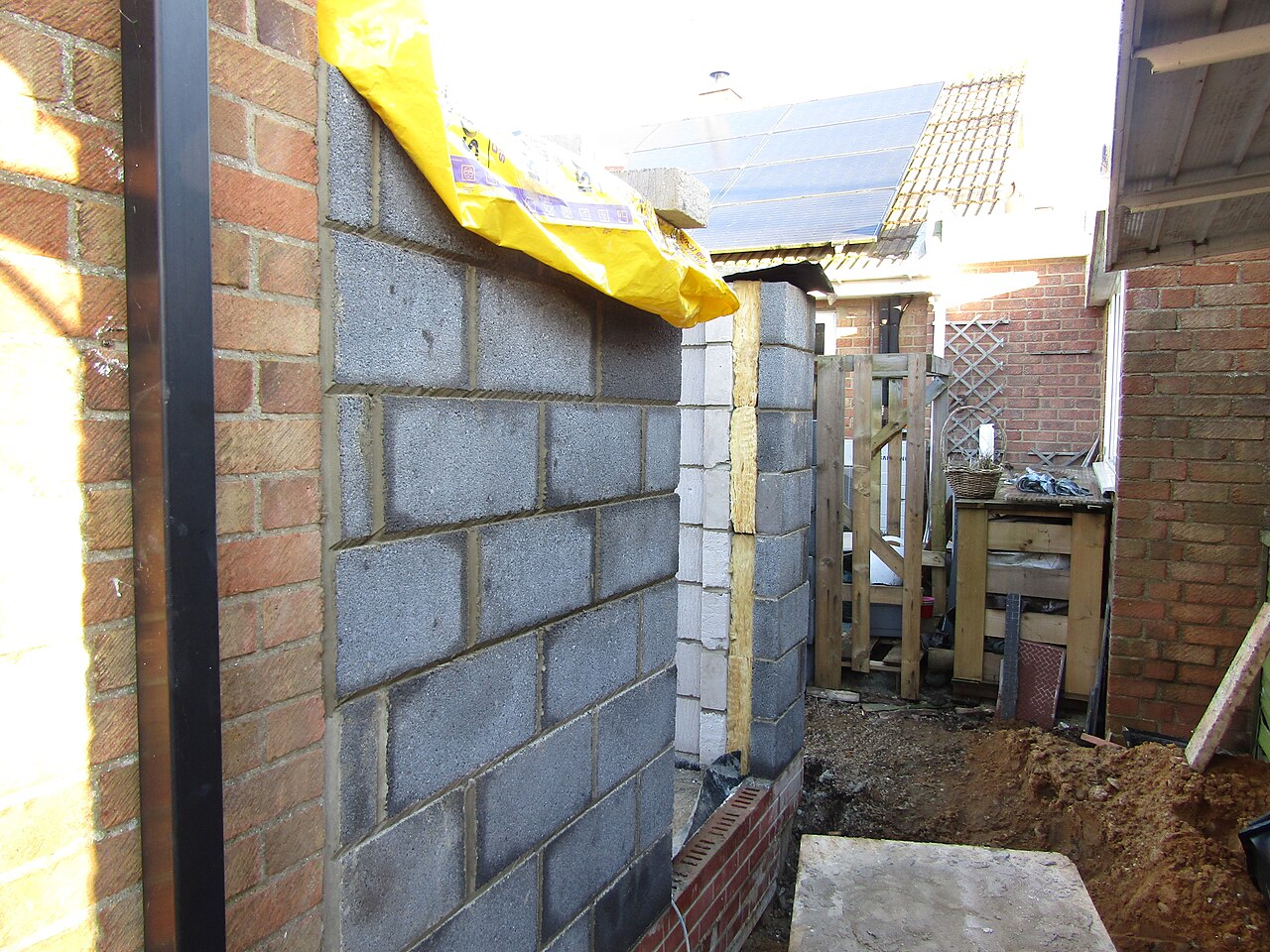 Everyday LifeCavity walls are pinned together with metal tiesStainless steel ties stop the outer leaf leaning away from the inner oneRecords & ExtremesFurnace Creek holds the highest reliably recorded air temperatureThermometers reached 56.7 degrees Celsius in Death Valley in 1913Records & ExtremesDallol recorded the highest average year-round temperatureThe geothermal region maintained an annual average of 34.4 degrees CelsiusRecords & ExtremesThe Lut Desert holds the hottest land surfaceSatellites measured 70.7 degrees Celsius on its dark sand in 2005
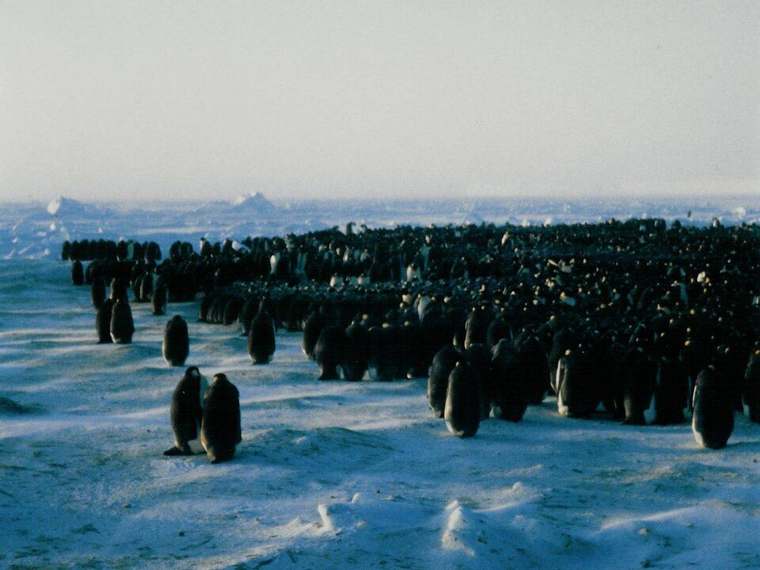 AnimalsEmperor penguins huddle in rotating groups to survive Antarctic winterDense huddles conserve body heat during minus forty degree blizzards.
🧭 Everyday Lifefact 146 of 200
← → to keep reading, or swipe
Tags: insulation, heat, drinkware
A vacuum flask blocks all three routes for heat: the short answers
- Where does this come from, and can I check it?
- The gap removes conduction and convection while a silver coat reflects radiation. The figure is taken from Encyclopaedia Britannica, which is linked in full on this page. Every fact on Mondo Knows names its source rather than repeating an unsourced claim.
- Is this really a everyday life fact?
- Yes. It sits on the Everyday Life shelf, one of 2,600 sourced facts grouped into space, animals, the human body, history, science and more. Category pages collect every fact in the same field.
- What else can I read about it?
- The links under the fact point to a quiz, game, puzzle or calculator on the same subject, and the shelf below shows related facts. The wording here is original, and quoted phrases are marked as quotations.