Mondo Knows Facts
Double glazing traps argon between two panes
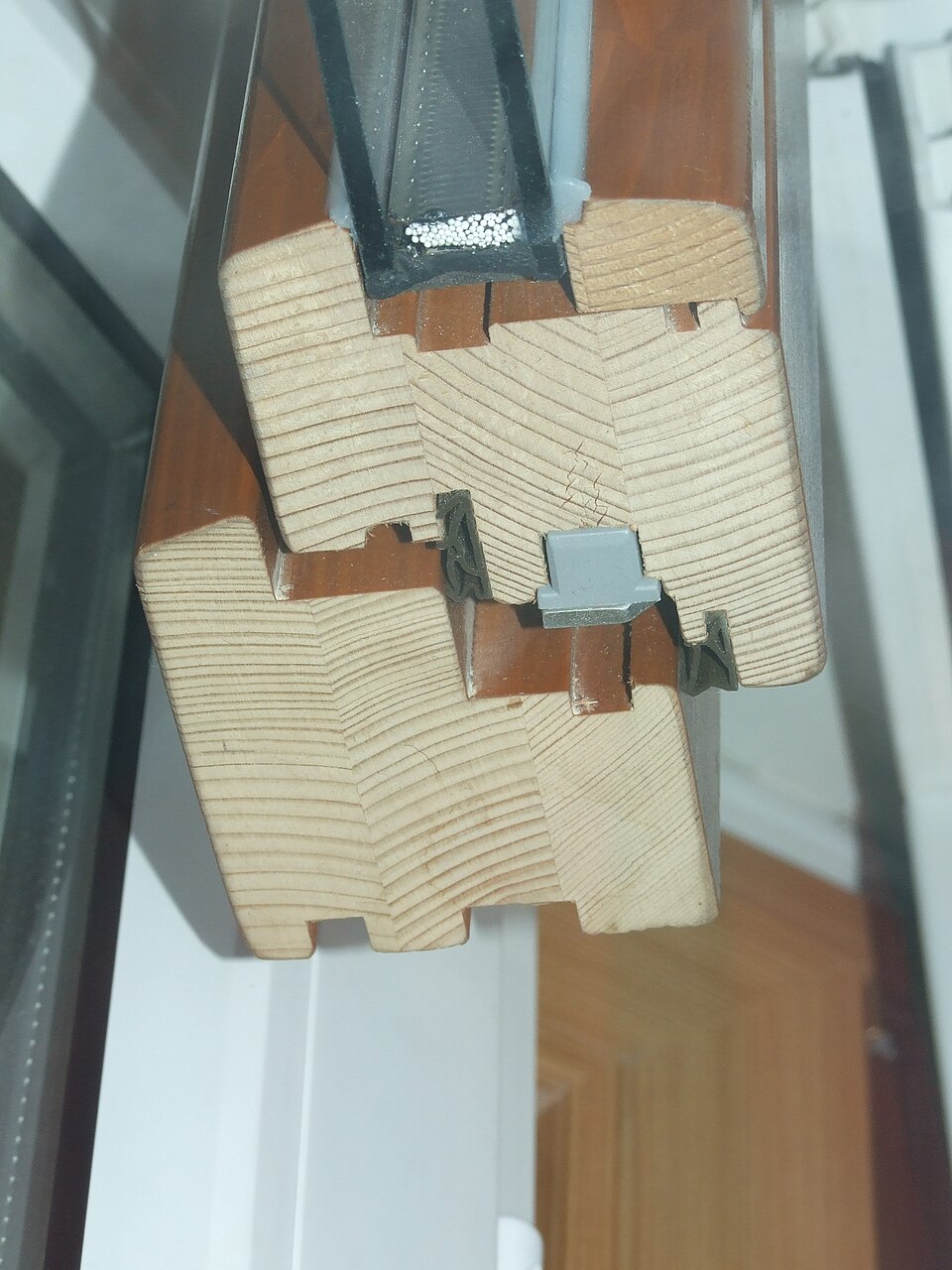
The heavy gas conducts less heat than air and the sealed gap stays dry Two panes are separated by a spacer bar filled with desiccant and sealed at the edges, and the cavity is filled with argon, whose thermal conductivity is about a third lower than air's. Around 16 millimetres is close to the best gap, since a wider one starts to allow convection currents inside. Some units add a thin low emissivity coating to reflect heat back into the room. It sits in Mondo's everyday life collection, one of 200 facts that each trace back to the reference below.
Where this comes from
National Institute of Standards and Technology
Facts that can change over time are reviewed and updated. If something here looks wrong, Mondo would rather know than be confidently incorrect.
Go further
More facts like this
 Everyday LifeCavity walls are pinned together with metal tiesStainless steel ties stop the outer leaf leaning away from the inner oneEveryday LifeA vacuum flask blocks all three routes for heatThe gap removes conduction and convection while a silver coat reflects radiationEveryday LifeA residual current device trips on unbalanced currentIt compares the current going out with the current coming backEveryday LifePanel radiators heat mostly by convection, not glowMost of the output comes from air rising over the finned back plateEveryday LifeRadiators sit under windows to block cold draughtsRising warm air meets the downdraught from the glass and warms itEveryday LifeBritish sockets keep their holes shuttered until earthedThe longer earth pin pushes a slide aside as the plug goes in
← → to keep reading, or swipe
Tags: windows, insulation, homes
Double glazing traps argon between two panes: the short answers
- Where does this come from, and can I check it?
- The heavy gas conducts less heat than air and the sealed gap stays dry. The figure is taken from National Institute of Standards and Technology, which is linked in full on this page. Every fact on Mondo Knows names its source rather than repeating an unsourced claim.
- Is this really a everyday life fact?
- Yes. It sits on the Everyday Life shelf, one of 2,600 sourced facts grouped into space, animals, the human body, history, science and more. Category pages collect every fact in the same field.
- What else can I read about it?
- The links under the fact point to a quiz, game, puzzle or calculator on the same subject, and the shelf below shows related facts. The wording here is original, and quoted phrases are marked as quotations.