Mondo Knows Facts
The Caspian Sea is the largest inland body of water
Despite its name, the Caspian Sea is an endorheic basin with no outlets to the world's oceans. Spanning over 371,000 square kilometres, the Caspian Sea lies between Europe and Asia and is bordered by five countries. Its water is slightly saline, containing about one third the saltiness of typical ocean water. The Volga River provides about eighty per cent of the inflow into this massive landlocked basin. It sits in Mondo's world geography collection, one of 200 facts that each trace back to the reference below.
Where this comes from
Facts that can change over time are reviewed and updated. If something here looks wrong, Mondo would rather know than be confidently incorrect.
Go further
More facts like this
 World GeographyThe Ural Mountains form the traditional boundary between Europe and AsiaRunning 2,500 kilometres north to south through Russia, the Urals divide two major continental regions.World GeographyLake Constance has no agreed international borderAustria, Germany and Switzerland share the water but never signed a treaty dividing itWorld GeographyThe Caspian is named for a people long goneIts name comes from the Caspi, a group recorded in antiquity, not from any present-day nation
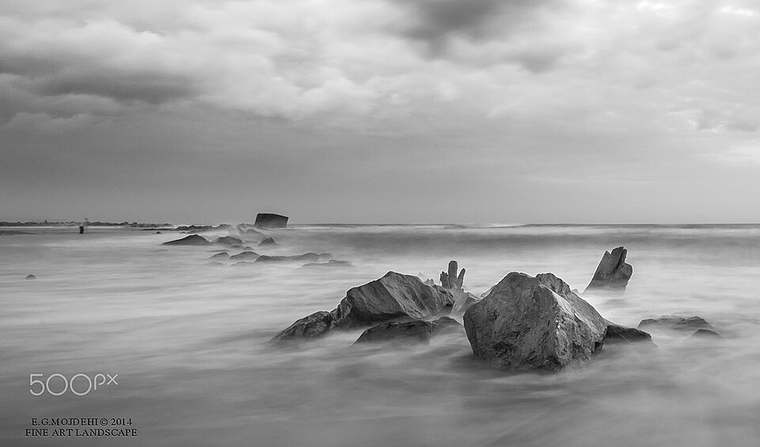
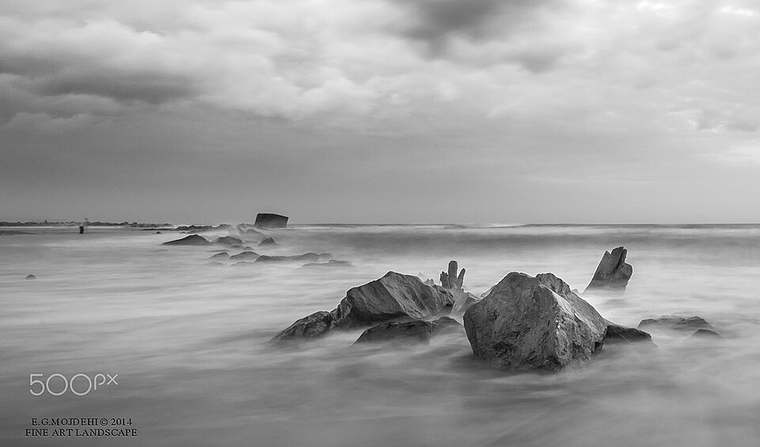 Records & ExtremesThe Caspian Sea is the largest inland body of water by areaIts massive surface covers about 371 thousand square kilometres
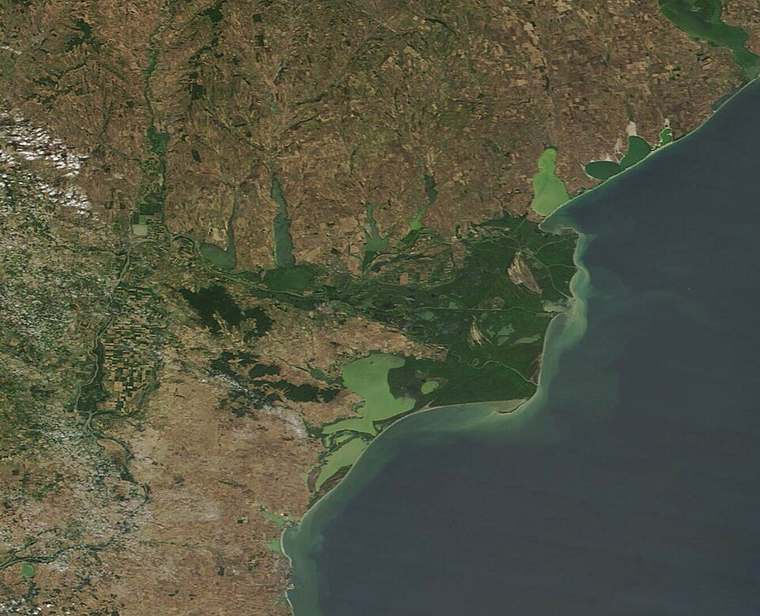 World GeographyThe Danube flows through or borders more countries than any riverOriginating in Germany Black Forest, the Danube River touches ten distinct European nations along its route.
 World GeographyThe Alps are the highest mountain range situated entirely in EuropeExtending 1,200 kilometres across eight Alpine countries, the range was shaped by tectonic plate collision.
← → to keep reading, or swipe
Tags: caspian sea, asia, europe, lakes
The Caspian Sea is the largest inland body of water: the short answers
- Where does this come from, and can I check it?
- Despite its name, the Caspian Sea is an endorheic basin with no outlets to the world's oceans. The figure is taken from Encyclopaedia Britannica, which is linked in full on this page. Every fact on Mondo Knows names its source rather than repeating an unsourced claim.
- Is this really a world geography fact?
- Yes. It sits on the World Geography shelf, one of 2,600 sourced facts grouped into space, animals, the human body, history, science and more. Category pages collect every fact in the same field.
- What else can I read about it?
- The links under the fact point to a quiz, game, puzzle or calculator on the same subject, and the shelf below shows related facts. The wording here is original, and quoted phrases are marked as quotations.