Mondo Knows Facts
Antarctica is technically the largest desert on Earth
Antarctica receives an average of less than 200 millimetres of precipitation each year along its coast and far less inland. Deserts are defined by low annual precipitation rather than high temperatures. Antarctica is the coldest, driest, and windiest continent, holding about seventy per cent of Earth's fresh water in the form of ice. Certain inland dry valleys have not seen rain or snow for millions of years. It sits in Mondo's world geography collection, one of 200 facts that each trace back to the reference below.
Where this comes from
Facts that can change over time are reviewed and updated. If something here looks wrong, Mondo would rather know than be confidently incorrect.
Go further
More facts like this
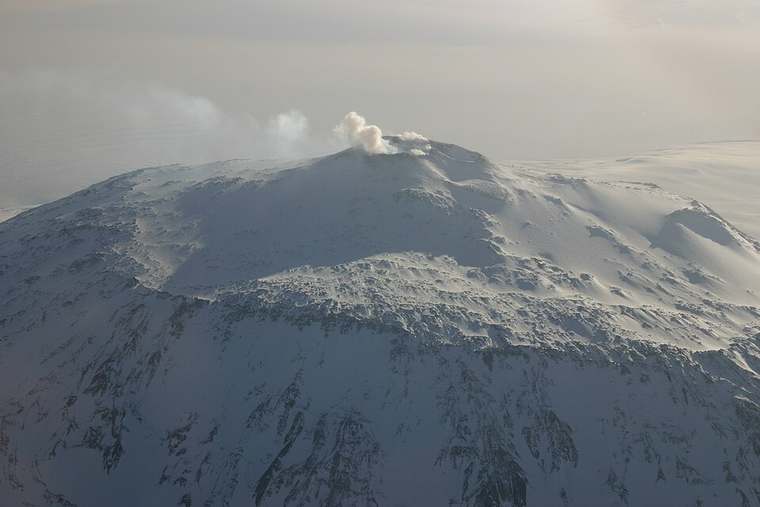 World GeographyMount Erebus is the southernmost active volcano on EarthRising 3,794 metres on Ross Island in Antarctica, Mount Erebus has been continuously active for decades.World GeographyAntarctica holds Earth's largest single ice sheetIt covers the whole continent and holds roughly sixty per cent of the world's fresh water
 World GeographyThe Sahara is the largest hot desert in the worldSpanning over nine million square kilometres, the Sahara covers much of North Africa.World GeographyThe Gobi is a cold desert made by distanceThe plateau lies so far inland that monsoon moisture is gone before the air arrivesWorld GeographyThe Sonoran is the wettest desert on EarthTwo separate rainy seasons support trees, large cacti and animals found in few other desertsWorld GeographyThe Patagonian Desert lies in the Andes rain shadowWesterly winds drop their moisture on the mountains, leaving the eastern plains dry
← → to keep reading, or swipe
Tags: antarctica, deserts, climate, ice
Antarctica is technically the largest desert on Earth: the short answers
- Where does this come from, and can I check it?
- Antarctica receives an average of less than 200 millimetres of precipitation each year along its coast and far less inland. The figure is taken from National Geographic, which is linked in full on this page. Every fact on Mondo Knows names its source rather than repeating an unsourced claim.
- Is this really a world geography fact?
- Yes. It sits on the World Geography shelf, one of 2,600 sourced facts grouped into space, animals, the human body, history, science and more. Category pages collect every fact in the same field.
- What else can I read about it?
- The links under the fact point to a quiz, game, puzzle or calculator on the same subject, and the shelf below shows related facts. The wording here is original, and quoted phrases are marked as quotations.