Mondo Knows Facts
Antarctica is the largest and driest desert in the world
Extreme cold keeps annual precipitation below fifty millimetres in the interior A desert is defined by low annual precipitation, making Antarctica the world's largest desert at 14 million square kilometres. The interior receives less than 50 millimetres of moisture per year, mostly as snow. Moisture is trapped as ice, making the air drier than in hot desert regions. It sits in Mondo's records & extremes collection, one of 200 facts that each trace back to the reference below.
Where this comes from
Facts that can change over time are reviewed and updated. If something here looks wrong, Mondo would rather know than be confidently incorrect.
Go further
More facts like this
Records & ExtremesEsperanza Base recorded Antarctica's highest temperatureThe Argentine station logged 18.3 degrees Celsius in February 2020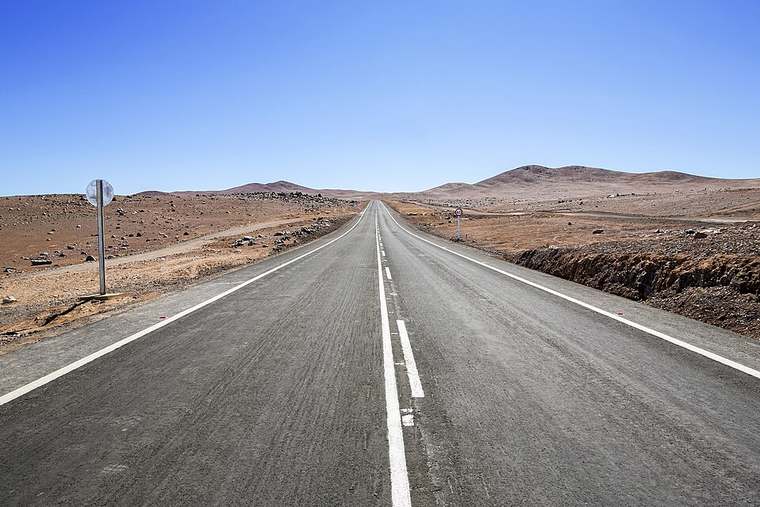 Records & ExtremesThe Atacama Desert is the driest non-polar region on EarthSome weather stations in Atacama have never recorded any rainfall
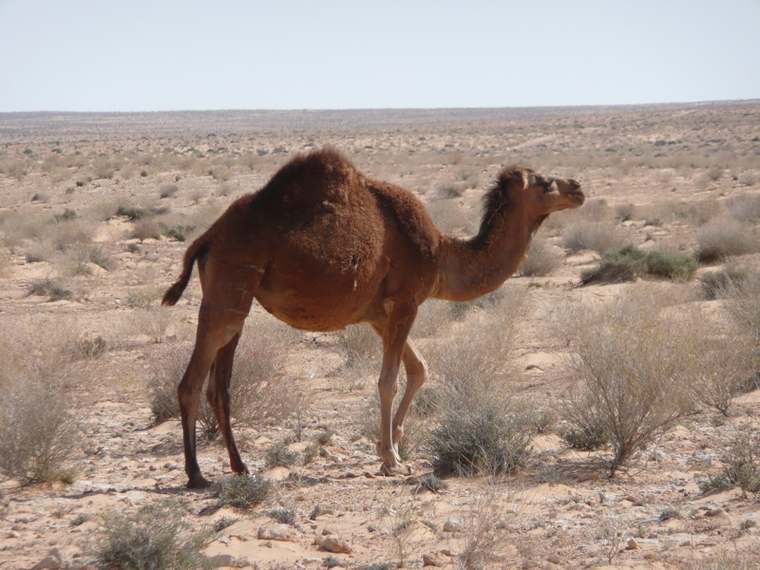 Records & ExtremesThe Sahara is the largest hot desert on EarthIt spans over nine million square kilometres across northern AfricaWorld GeographyAntarctica is technically the largest desert on EarthAntarctica receives an average of less than 200 millimetres of precipitation each year along its coast and far less inland.
 Records & ExtremesVostok Station recorded the lowest natural surface temperatureThermometers plunged to minus 89.2 degrees Celsius in AntarcticaRecords & ExtremesCommonwealth Bay is recognised as the windiest place on EarthKatabatic winds regularly reach speeds exceeding 240 kilometres per hour
Records & ExtremesThe Atacama Desert is the driest non-polar region on EarthSome weather stations in Atacama have never recorded any rainfallRecords & ExtremesThe Sahara is the largest hot desert on EarthIt spans over nine million square kilometres across northern AfricaWorld GeographyAntarctica is technically the largest desert on EarthAntarctica receives an average of less than 200 millimetres of precipitation each year along its coast and far less inland.Records & ExtremesVostok Station recorded the lowest natural surface temperatureThermometers plunged to minus 89.2 degrees Celsius in AntarcticaRecords & ExtremesCommonwealth Bay is recognised as the windiest place on EarthKatabatic winds regularly reach speeds exceeding 240 kilometres per hour🏆 Records & Extremesfact 20 of 200
← → to keep reading, or swipe
Tags: antarctica, desert, climate
Antarctica is the largest and driest desert in the world: the short answers
- Where does this come from, and can I check it?
- Extreme cold keeps annual precipitation below fifty millimetres in the interior. The figure is taken from NOAA, which is linked in full on this page. Every fact on Mondo Knows names its source rather than repeating an unsourced claim.
- Is this really a records & extremes fact?
- Yes. It sits on the Records & Extremes shelf, one of 2,600 sourced facts grouped into space, animals, the human body, history, science and more. Category pages collect every fact in the same field.
- What else can I read about it?
- The links under the fact point to a quiz, game, puzzle or calculator on the same subject, and the shelf below shows related facts. The wording here is original, and quoted phrases are marked as quotations.