Mondo Knows Facts
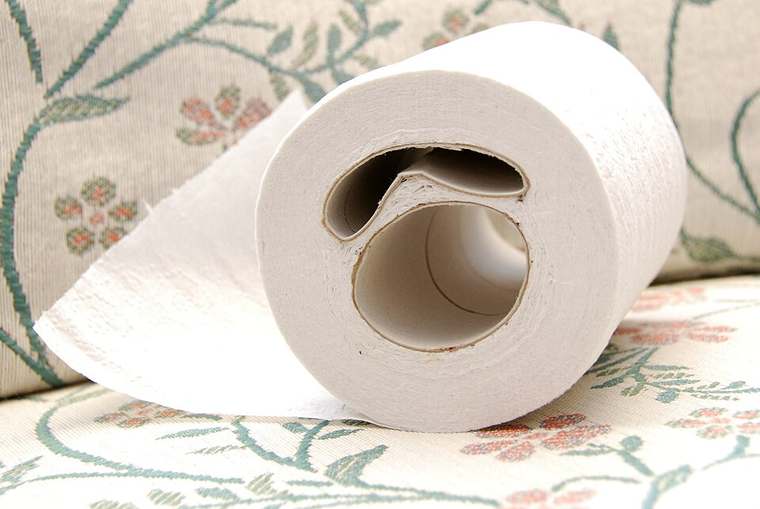
Cardboard toilet paper cores were introduced in the late 1800s
Cylindrical core tubes maintain roll shape for smooth bathroom dispensing The Scott Paper Company began marketing perforated toilet paper on cardboard core rolls in 1890. The inner cylindrical tube maintains structural shape during manufacturing and dispensing, allowing rolls to spin smoothly on bathroom holders. It sits in Mondo's everyday life collection, one of 200 facts that each trace back to the reference below.
Where this comes from
Facts that can change over time are reviewed and updated. If something here looks wrong, Mondo would rather know than be confidently incorrect.
Go further
More facts like this
 Everyday LifeSoap is produced by reacting natural fats with strong alkaline saltsChemical saponification creates dual-ended molecules that capture oil in wash water
 Everyday LifeHair shampoos are formulated slightly acidic to match scalp chemistrySlightly acidic wash formulas protect the scalp's natural protective barrier
 Everyday LifeUncoated brass door handles naturally kill surface bacteria over timeCopper ions in brass alloy destroy bacterial cell membranes automatically
 Everyday LifeReceipt printers use heat-sensitive paper coated with leuco dyeTargeted thermal pulses turn chemical paper coatings black to print receipt text
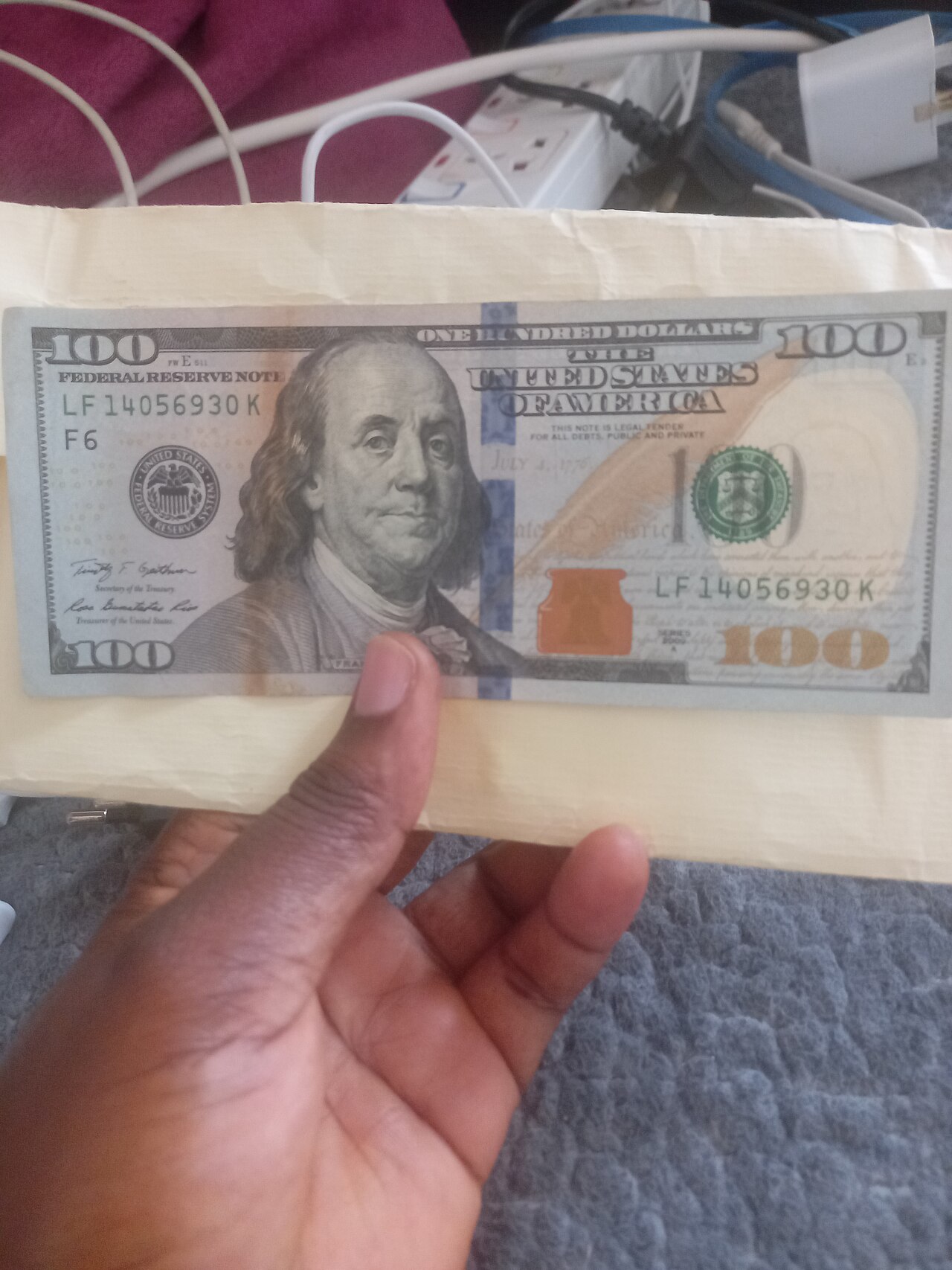 Everyday LifeBanknote watermarks are formed by altering paper fibre densityShaping wet paper pulp thickness creates embedded images visible under light
 Everyday LifeStandard C4 envelopes are sized to fit flat A4 paper sheetsISO envelope series measurements allow flat A4 documents to slide in smoothly
🧭 Everyday Lifefact 52 of 200
← → to keep reading, or swipe
Tags: paper, hygiene, history
Cardboard toilet paper cores were introduced in the late 1800s: the short answers
- Where does this come from, and can I check it?
- Cylindrical core tubes maintain roll shape for smooth bathroom dispensing. The figure is taken from Smithsonian Institution, which is linked in full on this page. Every fact on Mondo Knows names its source rather than repeating an unsourced claim.
- Is this really a everyday life fact?
- Yes. It sits on the Everyday Life shelf, one of 2,600 sourced facts grouped into space, animals, the human body, history, science and more. Category pages collect every fact in the same field.
- What else can I read about it?
- The links under the fact point to a quiz, game, puzzle or calculator on the same subject, and the shelf below shows related facts. The wording here is original, and quoted phrases are marked as quotations.