Mondo Knows Facts
Standard railway tracks measure four feet eight and a half inches wide
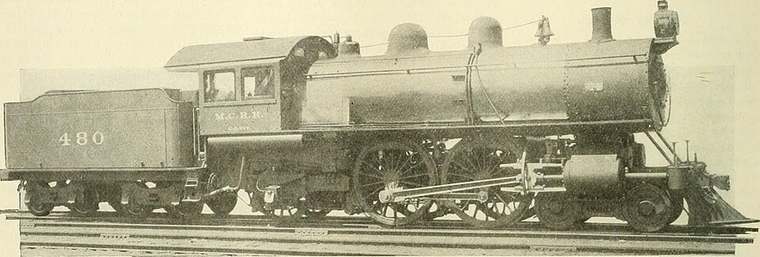
Traditional wagon wheel spacing established global railway track gauge dimensions Approximately sixty per cent of the world's railway lines use the standard gauge width of 1,435 millimetres. Pioneer engineer George Stephenson adopted this dimension for early British coal tramways based on traditional horse wagon wheel spacing. The specification spread globally across Europe, North America, and international transit networks. It sits in Mondo's everyday life collection, one of 200 facts that each trace back to the reference below.
Where this comes from
Facts that can change over time are reviewed and updated. If something here looks wrong, Mondo would rather know than be confidently incorrect.
Go further
More facts like this
 Everyday LifeEscalator steps feature grooved cleats that interlock with end platesInterlocking step grooves sweep debris away at landing terminals for rider safety
 Everyday LifeEscalator handrails move slightly faster than steps for rider safetyCalibrated forward handrail bias stops passenger arms from dragging backwardRecords & ExtremesThe Channel Tunnel is the longest undersea tunnelIts 50 kilometre bore links England and France beneath the seabedTechnologyGarrett Morgan patented an early automatic three-position traffic signal in 1923The mechanical traffic signal introduced a warning caution position between stop and go
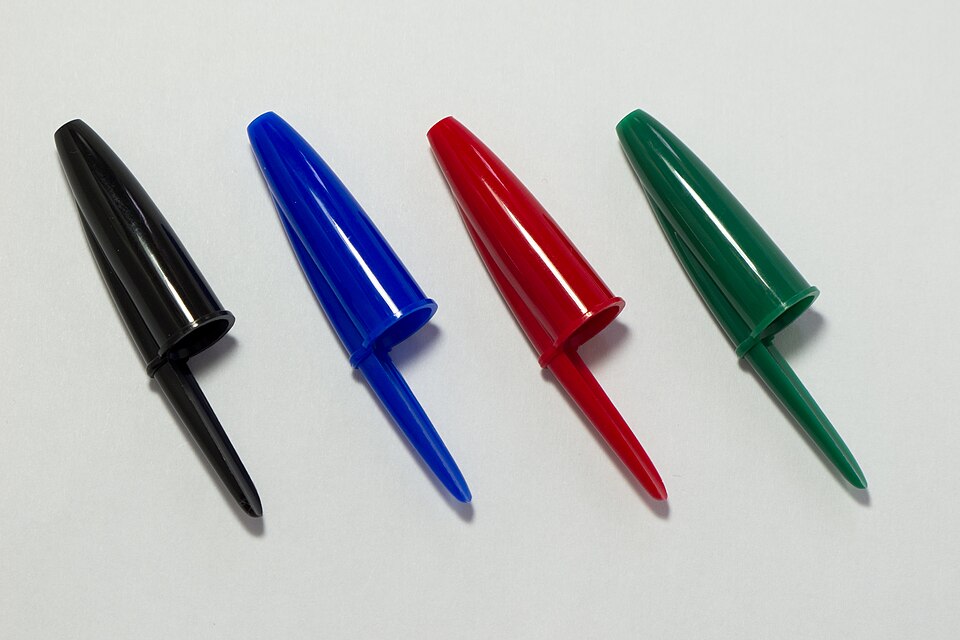 Everyday LifePen caps contain ventilation holes to lower suffocation risksInternational safety standards mandate airflow channels inside swallowed pen caps
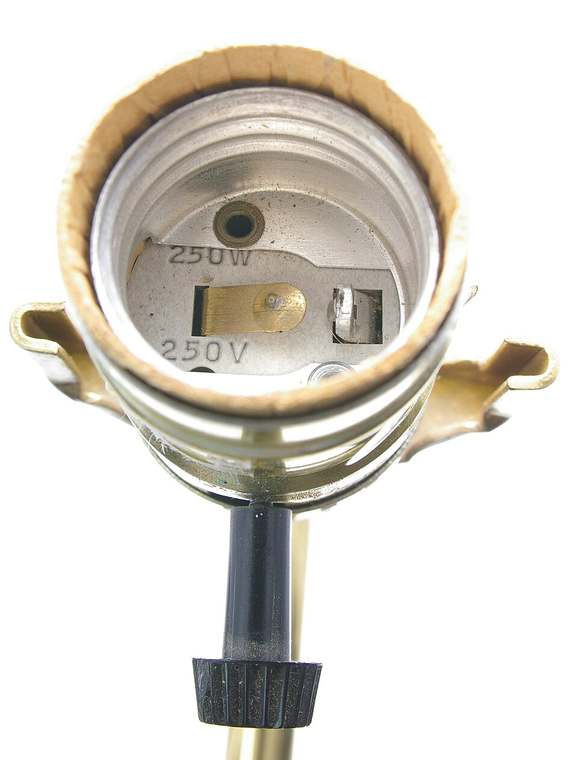 Everyday LifeStandard light bulb bases use Thomas Edison's 1909 screw threadCentury-old Edison screw specifications remain global electrical fitting standards
← → to keep reading, or swipe
Tags: railways, transport, standards
Standard railway tracks measure four feet eight and a half inches wide: the short answers
- Where does this come from, and can I check it?
- Traditional wagon wheel spacing established global railway track gauge dimensions. The figure is taken from Encyclopaedia Britannica, which is linked in full on this page. Every fact on Mondo Knows names its source rather than repeating an unsourced claim.
- Is this really a everyday life fact?
- Yes. It sits on the Everyday Life shelf, one of 2,600 sourced facts grouped into space, animals, the human body, history, science and more. Category pages collect every fact in the same field.
- What else can I read about it?
- The links under the fact point to a quiz, game, puzzle or calculator on the same subject, and the shelf below shows related facts. The wording here is original, and quoted phrases are marked as quotations.