Mondo Knows Facts
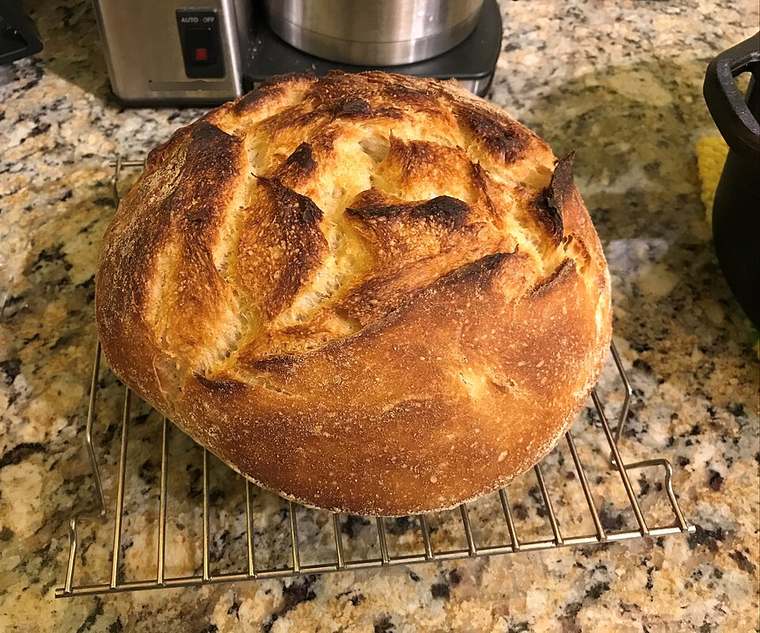
Sourdough relies on wild yeast and lactic acid bacteria
Lactobacilli sour the dough while wild yeasts generate carbon dioxide bubbles Sourdough starters harbour a symbiotic culture of wild yeasts and lactic acid bacteria. The bacteria produce lactic and acetic acids that give sourdough its distinctive tangy flavour and lower the pH of the dough. This acidic environment inhibits harmful microbes while allowing acid-tolerant yeasts to thrive and leaven the loaf. It sits in Mondo's food collection, one of 200 facts that each trace back to the reference below.
Where this comes from
Food and Agriculture Organization
Facts that can change over time are reviewed and updated. If something here looks wrong, Mondo would rather know than be confidently incorrect.
Go further
More facts like this
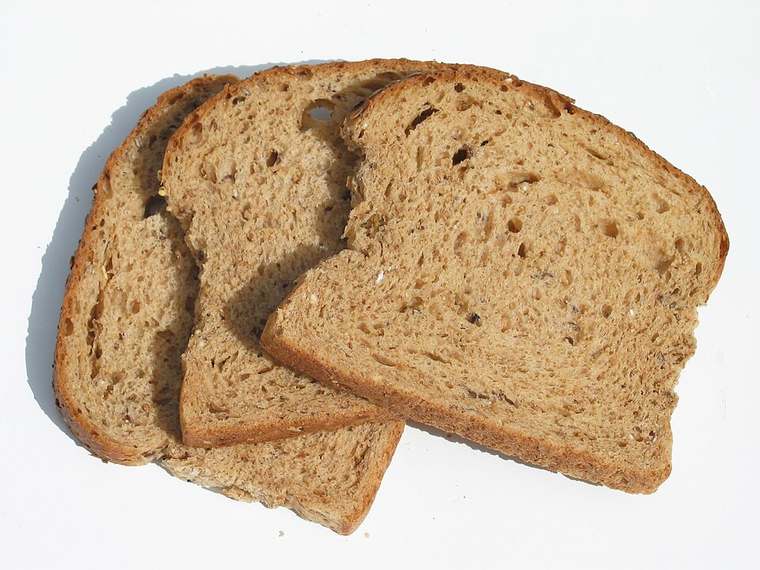 FoodBread goes stale because its starch re-crystallisesStaling is chemistry in the crumb, not simply water evaporatingFoodScoring a loaf controls where it burstsA deliberate cut gives expanding steam and gas somewhere to go
← → to keep reading, or swipe
Tags: sourdough, fermentation, bread
Sourdough relies on wild yeast and lactic acid bacteria: the short answers
- Where does this come from, and can I check it?
- Lactobacilli sour the dough while wild yeasts generate carbon dioxide bubbles. The figure is taken from Food and Agriculture Organization, which is linked in full on this page. Every fact on Mondo Knows names its source rather than repeating an unsourced claim.
- Is this really a food fact?
- Yes. It sits on the Food shelf, one of 2,600 sourced facts grouped into space, animals, the human body, history, science and more. Category pages collect every fact in the same field.
- What else can I read about it?
- The links under the fact point to a quiz, game, puzzle or calculator on the same subject, and the shelf below shows related facts. The wording here is original, and quoted phrases are marked as quotations.