Mondo Knows Facts
Machine perforations replaced hand-cut postage stamps in the 1850s
Punched pinhole rows enabled swift tearing of individual adhesive postal stamps Early adhesive postage stamps had to be manually cut from printed sheets using scissors or blades. In 1854, the British Post Office introduced machine-punched rows of tiny circular holes between stamps. Henry Archer invented this perforation technique, allowing postal clerks and customers to tear individual stamps cleanly without tools. It sits in Mondo's everyday life collection, one of 200 facts that each trace back to the reference below.
Where this comes from
Facts that can change over time are reviewed and updated. If something here looks wrong, Mondo would rather know than be confidently incorrect.
Go further
More facts like this
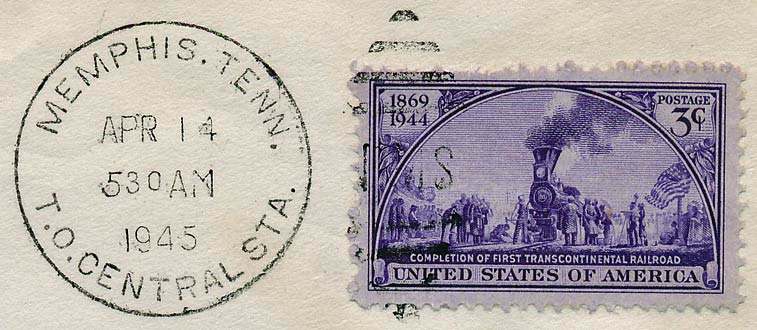 Everyday LifePostal postmarks cancel stamps to prevent reuse and log originInk cancellation marks log acceptance dates and void adhesive postal stamps
 Everyday LifePostcodes enable automated optical sorting of mail envelopesAlphanumeric mail codes guide high-speed postal sorters to arrange delivery routesHistoryThe Penny Black was the first adhesive postage stampRowland Hill's flat rate penny post went on sale in May 1840
 Everyday LifeNesting shopping trolleys were designed with hinged rear flapsSliding nested trolleys compact store storage while providing child seats
 Everyday LifePost-it notes use low-tack microscopic adhesive spheresWeak microsphere adhesive permits sticky paper strips to peel cleanly without damage
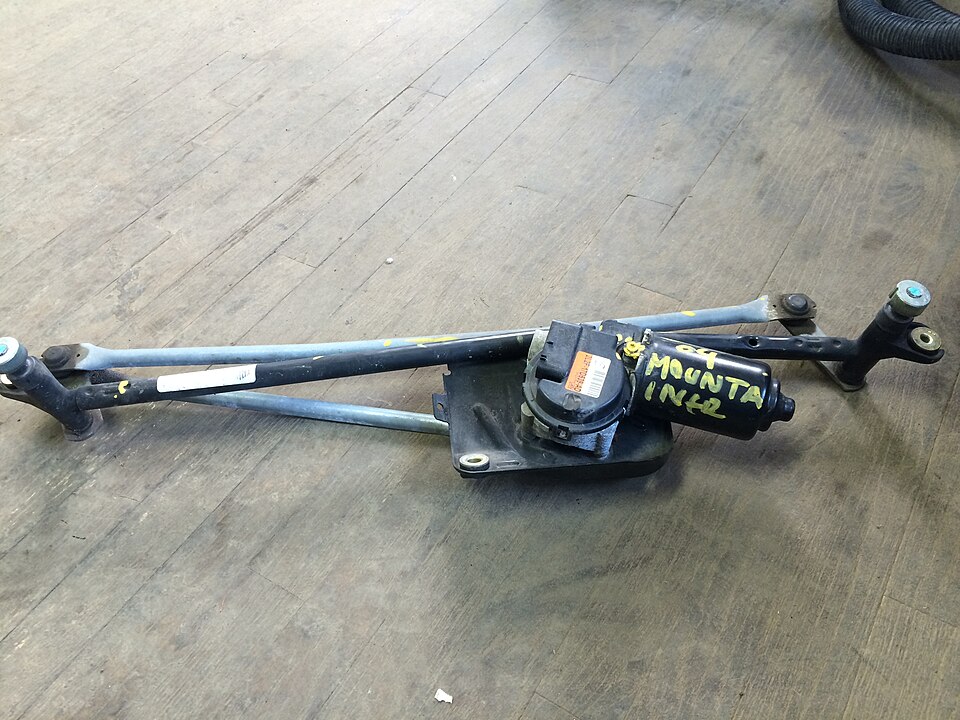 Everyday LifeMary Anderson patented the mechanical car windscreen wiper in 1903A lever-operated rubber blade cleared sleet from trolley and car windscreens
← → to keep reading, or swipe
Tags: post office, stamps, inventions
Machine perforations replaced hand-cut postage stamps in the 1850s: the short answers
- Where does this come from, and can I check it?
- Punched pinhole rows enabled swift tearing of individual adhesive postal stamps. The figure is taken from Library of Congress, which is linked in full on this page. Every fact on Mondo Knows names its source rather than repeating an unsourced claim.
- Is this really a everyday life fact?
- Yes. It sits on the Everyday Life shelf, one of 2,600 sourced facts grouped into space, animals, the human body, history, science and more. Category pages collect every fact in the same field.
- What else can I read about it?
- The links under the fact point to a quiz, game, puzzle or calculator on the same subject, and the shelf below shows related facts. The wording here is original, and quoted phrases are marked as quotations.