Mondo Knows Facts
Australia issued the first polymer banknote in 1988
The plastic ten dollar note was made for the bicentenary and survives washing The Reserve Bank of Australia released a polymer ten dollar note in January 1988, the first circulating note printed on plastic film. A clear window moulded into the sheet is extremely hard to copy, and the material does not tear when wet or crease like paper. Dozens of countries have since switched to the same substrate. It sits in Mondo's everyday life collection, one of 200 facts that each trace back to the reference below.
Where this comes from
Facts that can change over time are reviewed and updated. If something here looks wrong, Mondo would rather know than be confidently incorrect.
Go further
More facts like this
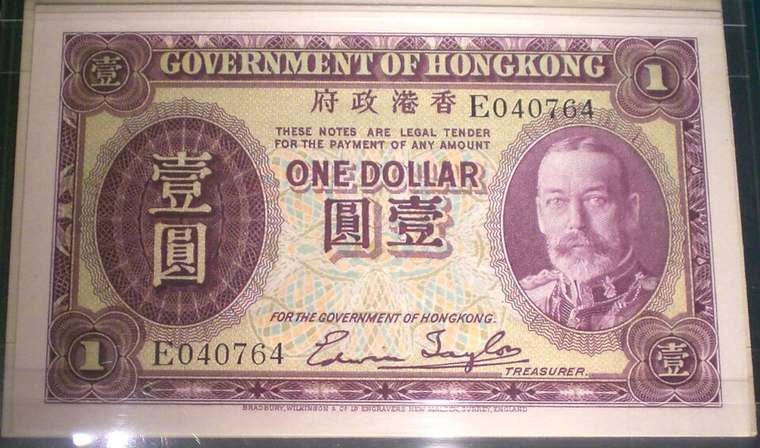 Everyday LifeBanknote currency is printed on cotton and linen textile fabricPaper money uses woven textile fibres rather than traditional wood cellulose pulp
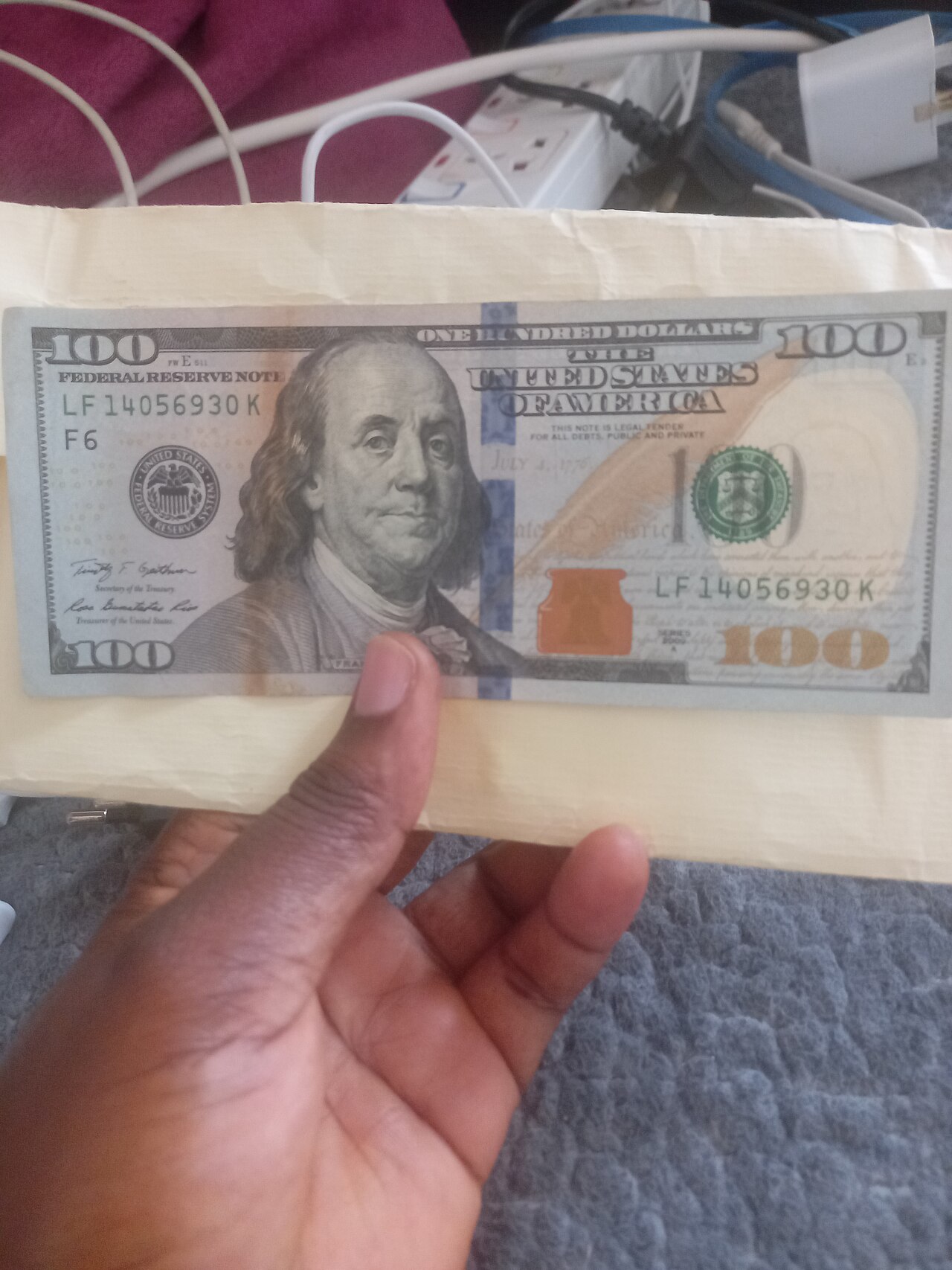 Everyday LifeBanknote watermarks are formed by altering paper fibre densityShaping wet paper pulp thickness creates embedded images visible under light
 Everyday LifeBanknote microprinting deters low-resolution digital photocopiersMicroscopic banknote text turns blurry when scanned on standard office copiers
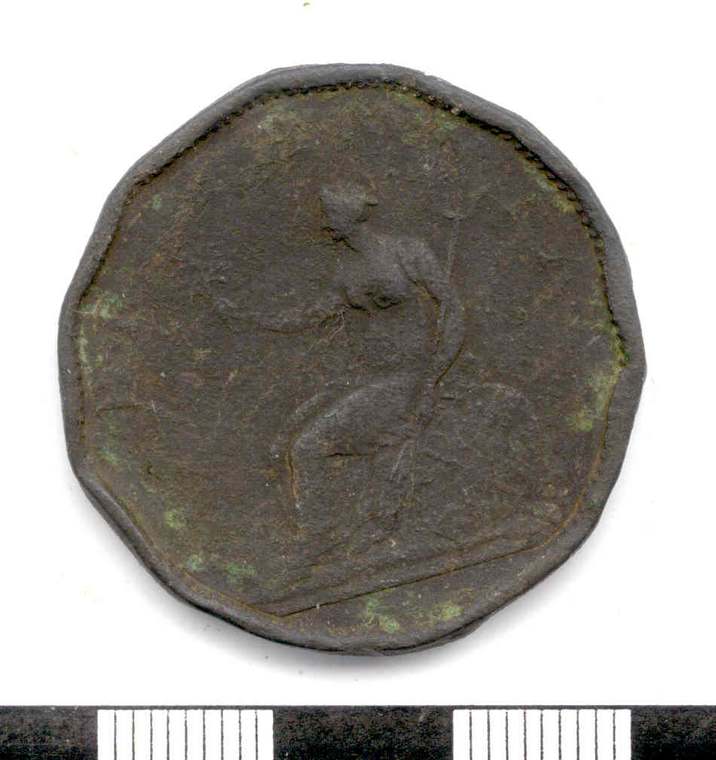 Everyday LifeMilled coin edges were introduced to prevent precious metal clippingIsaac Newton introduced reeded coin perimeters to expose illegal metal shaving
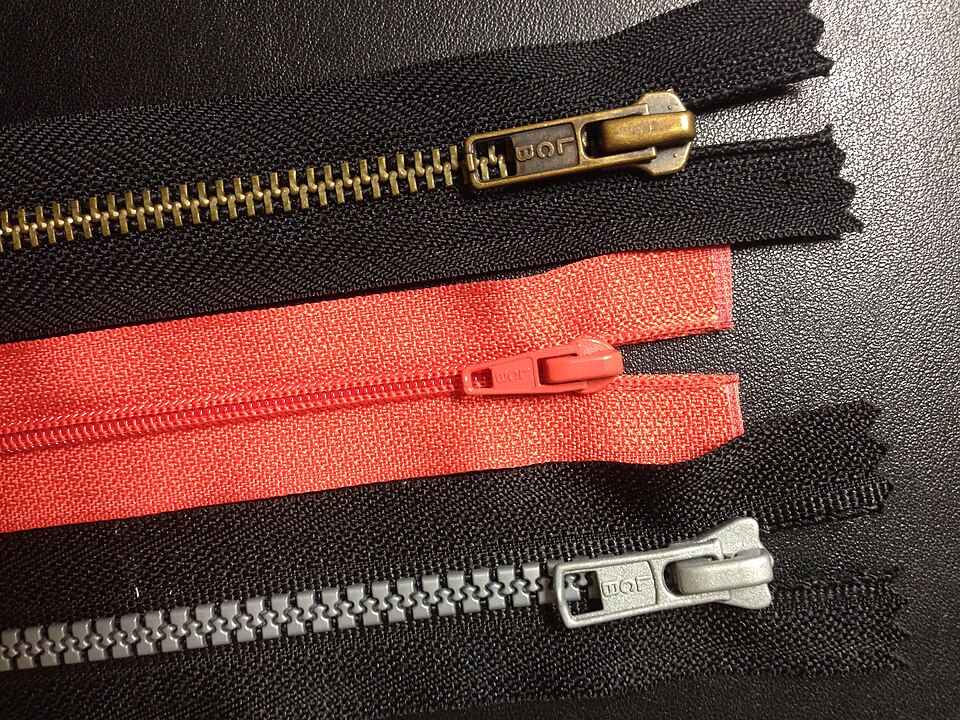 Everyday LifeCoil zippers are made from one spiralled plastic strandA continuous monofilament is wound into a helix and stitched to the tape
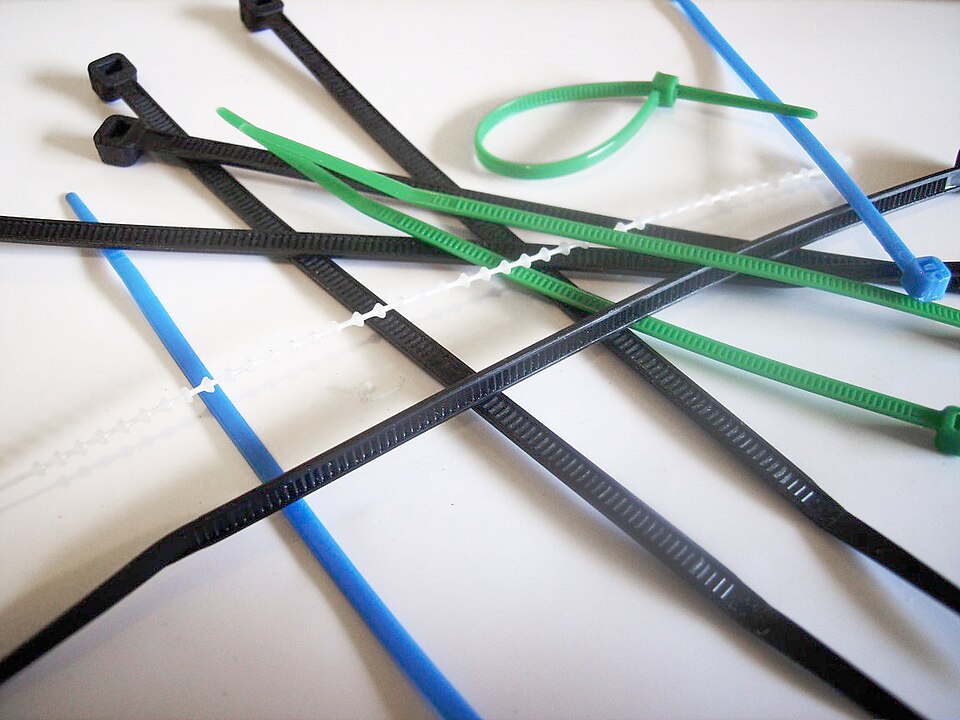 Everyday LifeA cable tie only tightens because of a pawlA small hinged tooth in the head clicks over ridges on the strap
← → to keep reading, or swipe
Tags: money, banknotes, plastics
Australia issued the first polymer banknote in 1988: the short answers
- Where does this come from, and can I check it?
- The plastic ten dollar note was made for the bicentenary and survives washing. The figure is taken from Reserve Bank of Australia, which is linked in full on this page. Every fact on Mondo Knows names its source rather than repeating an unsourced claim.
- Is this really a everyday life fact?
- Yes. It sits on the Everyday Life shelf, one of 2,600 sourced facts grouped into space, animals, the human body, history, science and more. Category pages collect every fact in the same field.
- What else can I read about it?
- The links under the fact point to a quiz, game, puzzle or calculator on the same subject, and the shelf below shows related facts. The wording here is original, and quoted phrases are marked as quotations.