Mondo Knows Facts
Simmering butter removes water to produce ghee
Evaporating moisture and browning milk solids extends shelf life and adds aroma Ghee is produced by gently heating unsalted butter until its water content evaporates completely. As heating continues, milk solids sink to the bottom of the pan and undergo light Maillard browning, giving ghee a distinct nutty aroma. Strainers remove the caramelized milk solids, leaving pure liquid fat that stays shelf-stable at room temperature. It sits in Mondo's food collection, one of 200 facts that each trace back to the reference below.
Where this comes from
Food and Agriculture Organization
Facts that can change over time are reviewed and updated. If something here looks wrong, Mondo would rather know than be confidently incorrect.
Go further
More facts like this
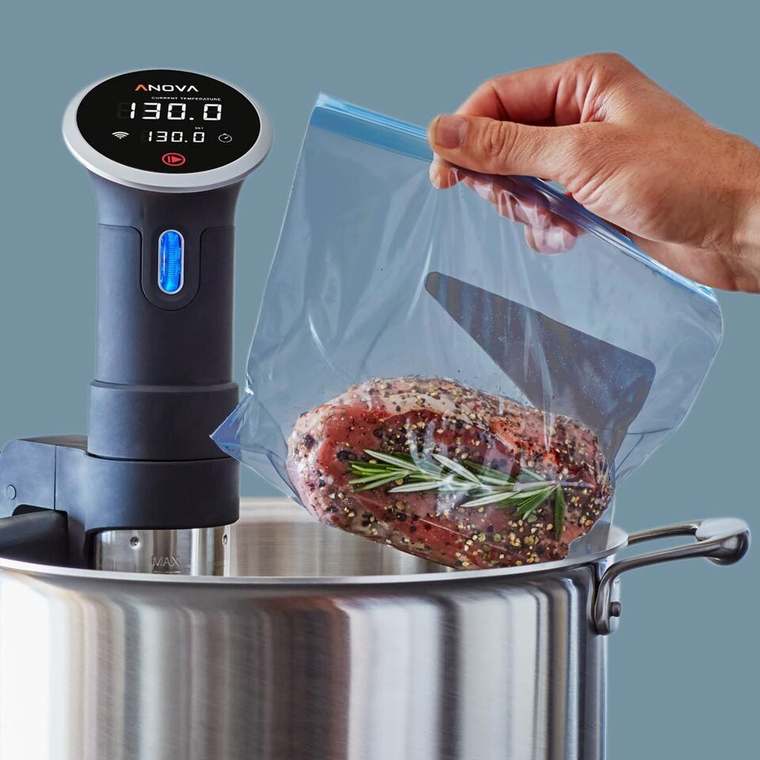 FoodSous-vide cooking uses precise temperature controlVacuum sealing food in pouches ensures uniform heat transfer without moisture lossFoodEscalating steam prevents oil penetration during fryingRapid water evaporation creates outward pressure that keeps oil on food surfacesFoodBrunoise and julienne define standardized culinary knife cutsPrecise knife cuts ensure uniform cooking rates and visual consistency
← → to keep reading, or swipe
Tags: ghee, butter, cooking
Simmering butter removes water to produce ghee: the short answers
- Where does this come from, and can I check it?
- Evaporating moisture and browning milk solids extends shelf life and adds aroma. The figure is taken from Food and Agriculture Organization, which is linked in full on this page. Every fact on Mondo Knows names its source rather than repeating an unsourced claim.
- Is this really a food fact?
- Yes. It sits on the Food shelf, one of 2,600 sourced facts grouped into space, animals, the human body, history, science and more. Category pages collect every fact in the same field.
- What else can I read about it?
- The links under the fact point to a quiz, game, puzzle or calculator on the same subject, and the shelf below shows related facts. The wording here is original, and quoted phrases are marked as quotations.