Mondo Knows Facts
Zebra crossings are marked by flashing orange globes
The striped poles carry beacons named after a 1930s transport minister The flashing globes are called Belisha beacons, after Leslie Hore-Belisha, who introduced them at pedestrian crossings in Britain in 1934. The lamp flashes about once a second and sits above a pole painted with black and white bands. The combination of beacon, stripes and zigzag road markings warns drivers to expect people crossing. It sits in Mondo's everyday life collection, one of 200 facts that each trace back to the reference below.

Where this comes from
Facts that can change over time are reviewed and updated. If something here looks wrong, Mondo would rather know than be confidently incorrect.
Go further
More facts like this
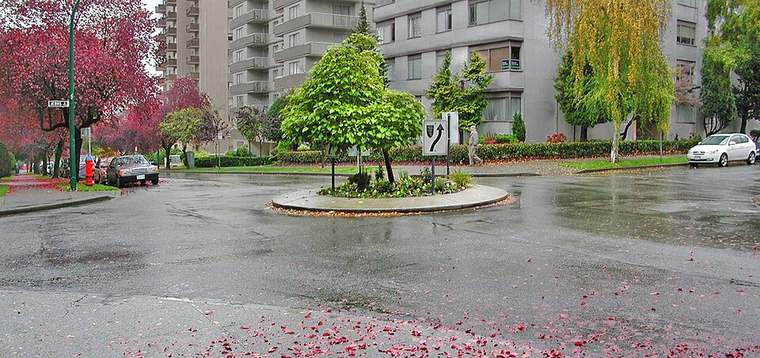 Everyday LifeTraffic roundabouts improve safety by requiring entering cars to yieldPriority rules inside circular junctions drastically reduce severe crossroad collisions
 Everyday LifeFlexible plastic traffic cones were invented by Charles Scanlon in 1940Stackable hollow rubber cones replaced wooden barricades to protect road workers
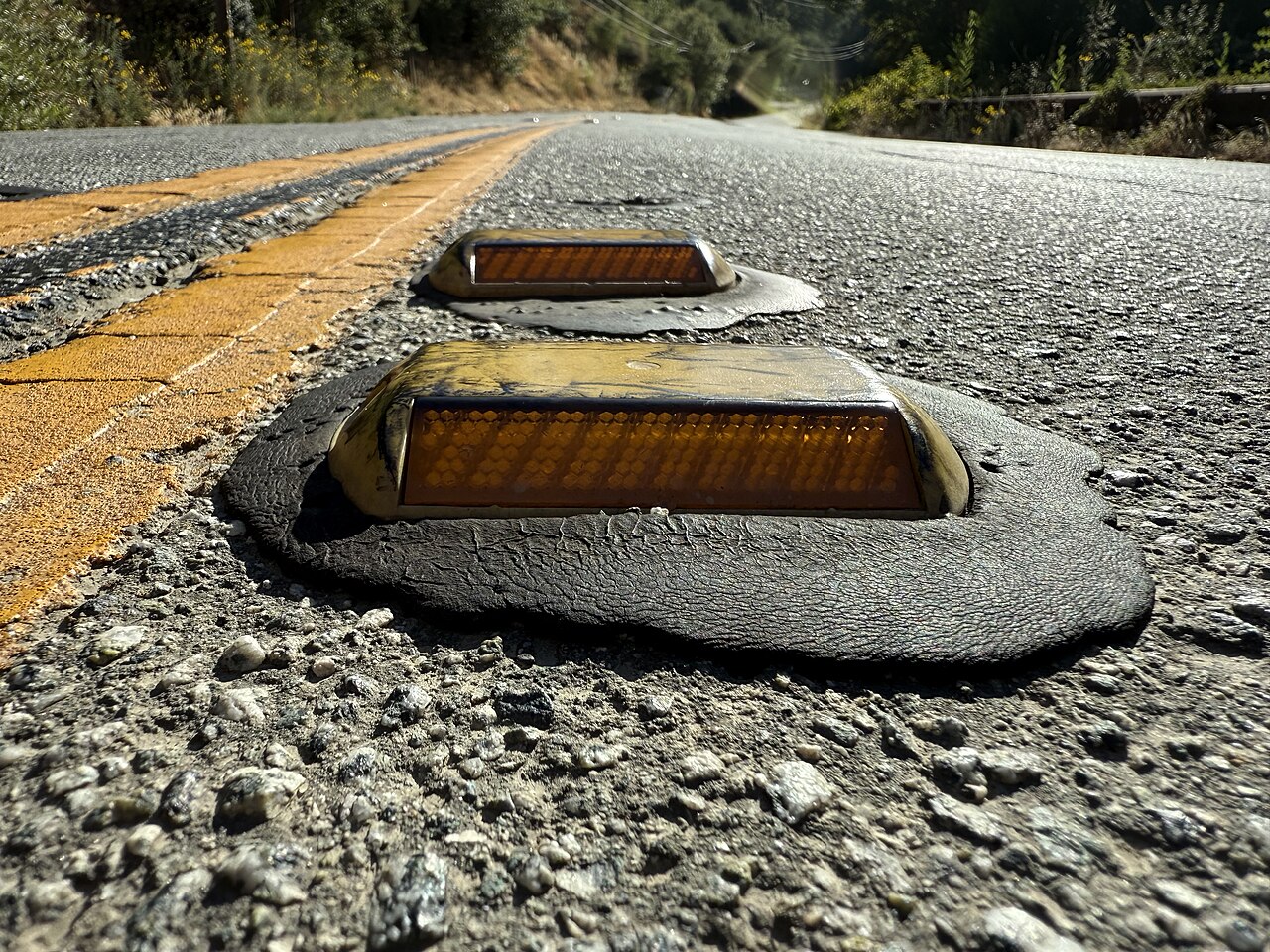 Everyday LifeCat's eyes came from a self-cleaning road studPercy Shaw patented a rubber reflector that wiped itself under each wheelEveryday LifeZebra crossings were named after their painted stripesBritain adopted the broad striped crossing nationally in 1951 after trialsEveryday LifeSpeed humps are shallow so cars do not scrapeA gentle sine profile about a hundred millimetres high slows traffic without damage
 Everyday LifeHighway road markings contain glass beads to reflect headlight beamsMicroscopic glass spheres in road paint redirect light beams back to drivers
← → to keep reading, or swipe
Tags: roads, safety, history
Zebra crossings are marked by flashing orange globes: the short answers
- Where does this come from, and can I check it?
- The striped poles carry beacons named after a 1930s transport minister. The figure is taken from UK Government, which is linked in full on this page. Every fact on Mondo Knows names its source rather than repeating an unsourced claim.
- Is this really a everyday life fact?
- Yes. It sits on the Everyday Life shelf, one of 2,600 sourced facts grouped into space, animals, the human body, history, science and more. Category pages collect every fact in the same field.
- What else can I read about it?
- The links under the fact point to a quiz, game, puzzle or calculator on the same subject, and the shelf below shows related facts. The wording here is original, and quoted phrases are marked as quotations.