Mondo Knows Facts
Barcode numbers end with a mathematically calculated check digit
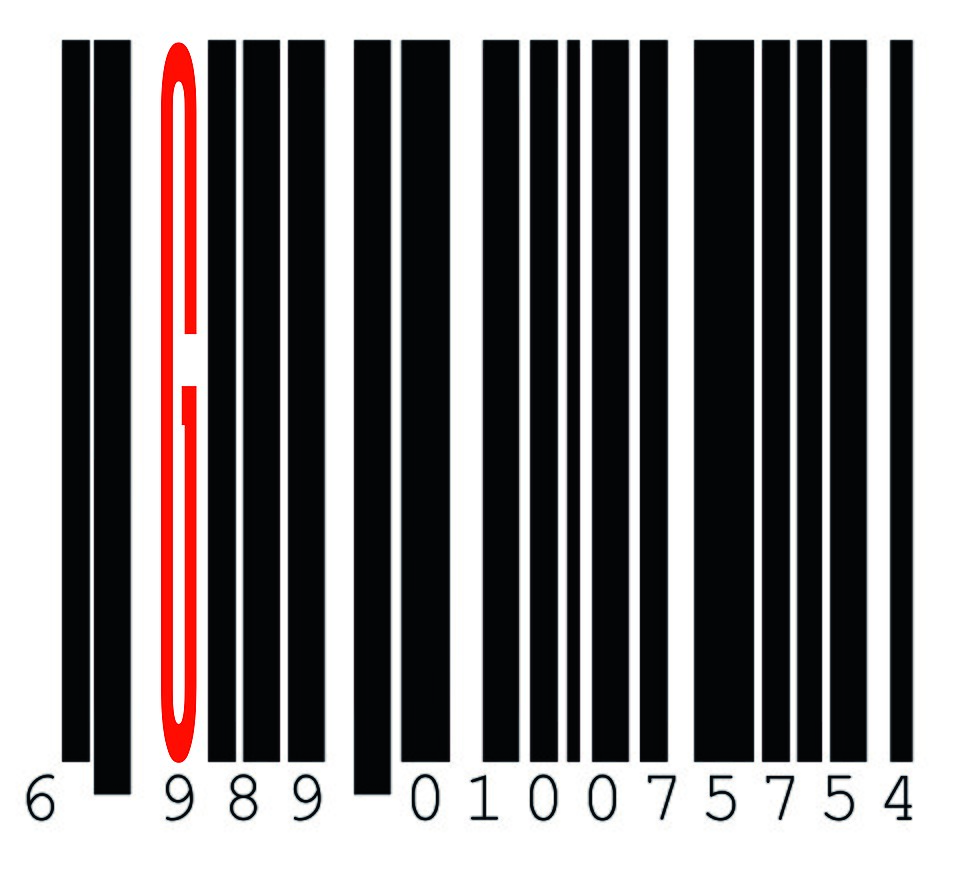
Modulo 10 algorithms check barcode scanner accuracy to flag unreadable scans The last number on a twelve-digit UPC barcode is a mathematically calculated check digit. Scanners apply a modulo 10 algorithm to odd and even position digits to verify reading accuracy. If a damaged bar causes misreads, the calculated check digit fails to match and the scanner beeps an error. It sits in Mondo's everyday life collection, one of 200 facts that each trace back to the reference below.
Where this comes from
Facts that can change over time are reviewed and updated. If something here looks wrong, Mondo would rather know than be confidently incorrect.
Go further
More facts like this
 Everyday LifeBarcode scanners read light reflected from white spacesOptical scanners detect reflected light between black lines rather than the black inkEveryday LifeQueue barriers use a spring loaded belt cassetteA spiral spring winds as the belt pulls out and rewinds it on release
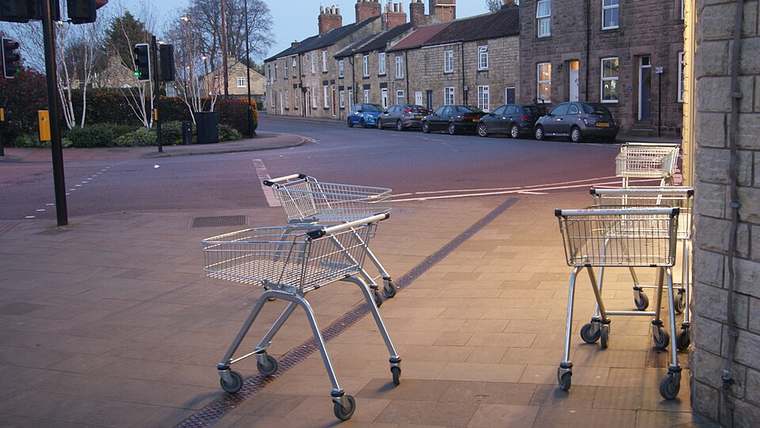 Everyday LifeNesting shopping trolleys were designed with hinged rear flapsSliding nested trolleys compact store storage while providing child seats
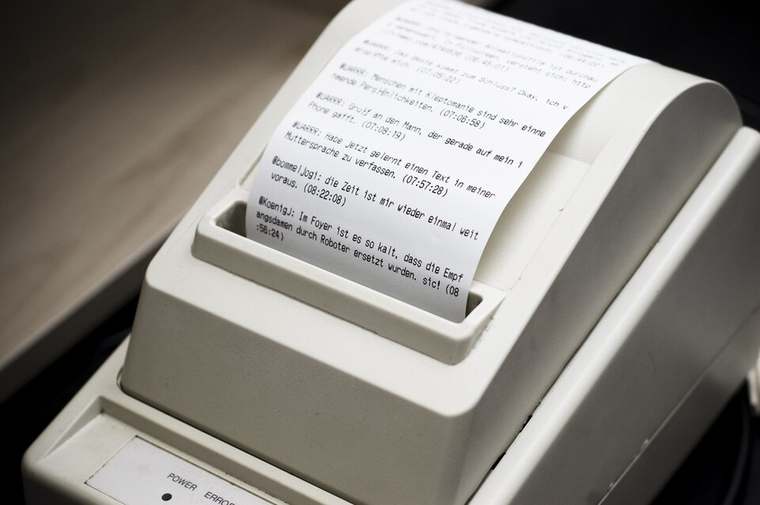 Everyday LifeReceipt printers use heat-sensitive paper coated with leuco dyeTargeted thermal pulses turn chemical paper coatings black to print receipt text
 Everyday LifeSupermarket trolley locks require coins to encourage bay returnsInterlocking coin mechanisms incentivize shoppers to return trolleys to parking stacks
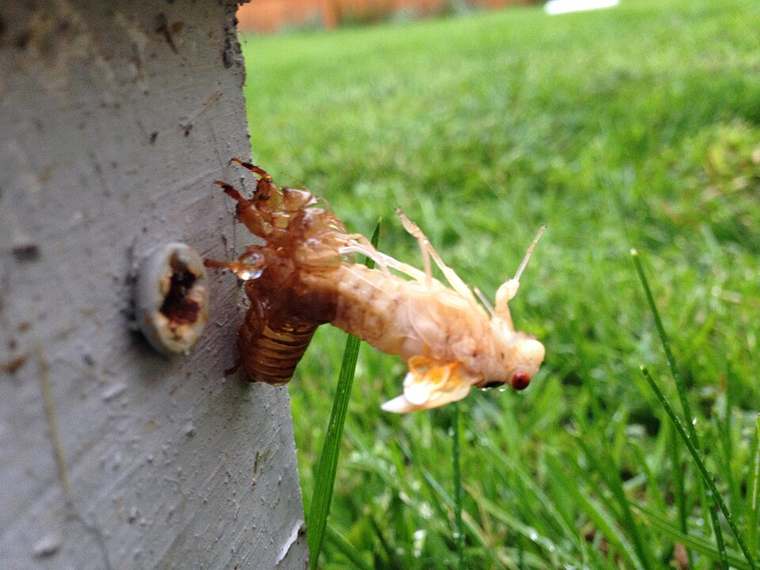 AnimalsPeriodical cicadas emerge every 13 or 17 prime-numbered yearsPrime year lifecycles minimize synchronization with predator cycles.
🧭 Everyday Lifefact 88 of 200
← → to keep reading, or swipe
Tags: barcodes, maths, retail
Barcode numbers end with a mathematically calculated check digit: the short answers
- Where does this come from, and can I check it?
- Modulo 10 algorithms check barcode scanner accuracy to flag unreadable scans. The figure is taken from NIST, which is linked in full on this page. Every fact on Mondo Knows names its source rather than repeating an unsourced claim.
- Is this really a everyday life fact?
- Yes. It sits on the Everyday Life shelf, one of 2,600 sourced facts grouped into space, animals, the human body, history, science and more. Category pages collect every fact in the same field.
- What else can I read about it?
- The links under the fact point to a quiz, game, puzzle or calculator on the same subject, and the shelf below shows related facts. The wording here is original, and quoted phrases are marked as quotations.